

World News - Summit With Russia

Economists
Instead of enacting new sanctions against Russia as he had repeatedly threatened, Donald Trump has announced an upcoming summit with Vladimir Putin, scheduled for August 15th in Alaska, signaling a dramatic shift in his approach to the Ukraine conflict. Despite initial bluster and the passing of his self-imposed ceasefire deadline without actions, Trump pivoted to diplomacy after his envoy Steve Witkoff’s meeting with Putin on August 6th, which reportedly led to a tentative ceasefire offer from Moscow and discussions about reintegrating Russia into the global economy. The potential peace process remains fraught with confusion and skepticism, particularly as Ukraine’s President Zelensky has been excluded from the initial talks and has categorically rejected any Russian terms that would involve ceding Ukrainian territory. Meanwhile, Russia continues its attacks, and both Ukrainian and European leaders insist that any lasting agreement must respect Ukraine’s sovereignty and territorial integrity; momentum for negotiations is building, but there is deep uncertainty over the final shape of any deal and Putin’s true intentions.
Tech - Nvidia and AMD to Pay 15% of Revenue to US Government on the Sale of AI Chips to China

FT
Nvidia and AMD have each agreed to pay 15% of their revenues from AI chip sales to China directly to the US government in order to secure export licenses—a rare and controversial move with little precedent in modern trade policy. The deal, covering Nvidia’s H20 and AMD’s MI308 chips, underscores President Donald Trump’s tendency to leverage financial incentives for the US in exchange for trade concessions. While this arrangement could divert significant sums to the US Treasury, industry experts warn it blurs the line between national security and economic interest, risking American credibility with allies and unsettling both US companies and officials in Beijing. China has criticized the deal, citing alleged security flaws in the chips and signaling hostility toward the imposed "chip tax," which analysts say may ultimately boost local competitors such as Huawei and stymie deeper market expansion by Nvidia and AMD in China.
Market - America’s Housing Market is Flagging

Economists
America’s housing market is experiencing a significant downturn in 2025, with home prices drifting lower nationwide—especially in southern and western cities like Austin and Miami, where median listing prices have fallen sharply in the past year. Persistently high interest rates driven by the Federal Reserve’s tight monetary policy, combined with tariffs under President Donald Trump, have eroded demand and made new borrowing more expensive, leaving recent buyers saddled with steep mortgage payments and depreciating home values. The pain is uneven: while regions like the Northeast and Midwest are holding up better, sunbelt and holiday towns face falling prices as pandemic-driven internal migration wanes and overbuilding catches up with supply. Florida is particularly hard-hit, with insurance premium hikes and diminished foreign demand compounding the slowdown. With buyer demand low and inventory rising, forecasts project further price declines—Zillow now expects a year-over-year drop in national home prices for 2025—and experts warn that sustained relief is unlikely soon, though big tech infrastructure investment is helping prop up the broader economy.
Culture - Fraudulent Scientific Papers Are Booming
Economists
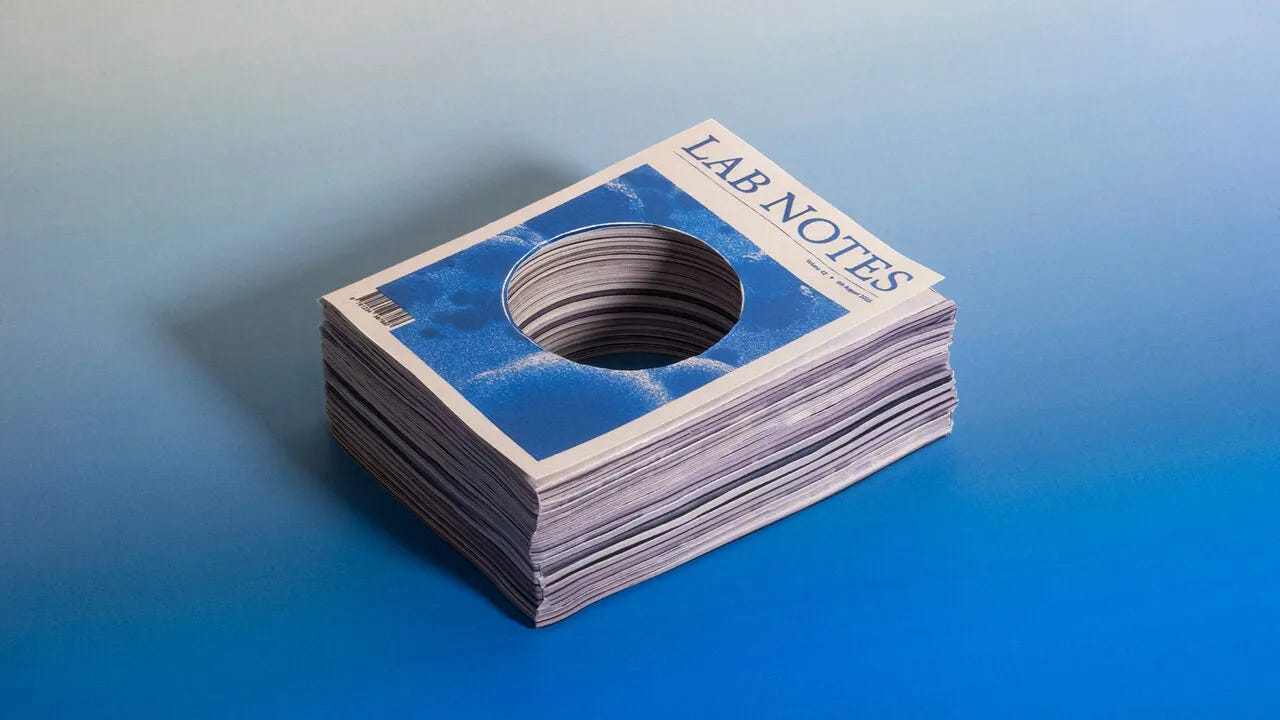
Scientific fraud in academic publishing is surging at an unprecedented rate, with the number of suspected fake papers—often produced by commercial "paper mills"—doubling every 1.5 years since 2010, far outpacing the growth of legitimate research. A recent analysis finds that not only are organized networks of authors and brokers responsible, but a subset of journal editors appears to be actively facilitating the publication of fraudulent work; just 1.3% of editors at the journal PLOS ONE accounted for over 30% of its retracted papers, and many were mutually recommending each other as editors for their own submissions. This points to editor collusion, creating networks that bypass the peer review safeguards central to scientific integrity. The problem is compounded by incentives for publication volume and citations, and the financial interests of journals themselves, raising urgent questions for publishers and academic institutions about maintaining trust in science as fraudulent research increasingly pollutes the scientific record—especially in critical fields like medicine, where even a small proportion of bogus studies can alter clinical guidelines and patient outcomes.
The Daily Spark
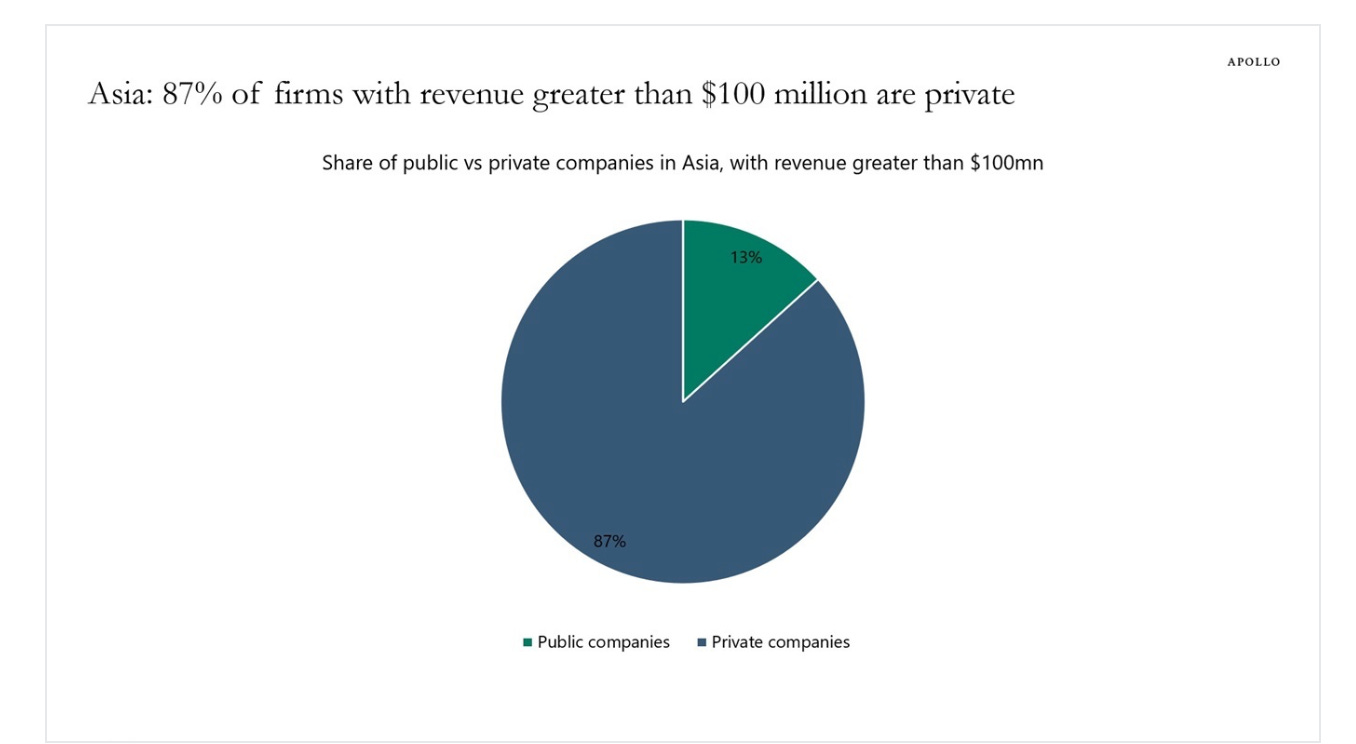
The total addressable market for direct lending to large-cap companies in Asia is enormous. Eighty-seven percent of firms in Asia with revenue greater than $100 million are private, see chart below.
Song Recommendation - Love Back
Quote of the Day
“Risk more than others think is safe. Care more than others think is wise. Dream more than others think is practical. Expect more than others think is possible”
― Claude T. Bissell