

World News — US and Japan Reaches a Trade Deal
FT
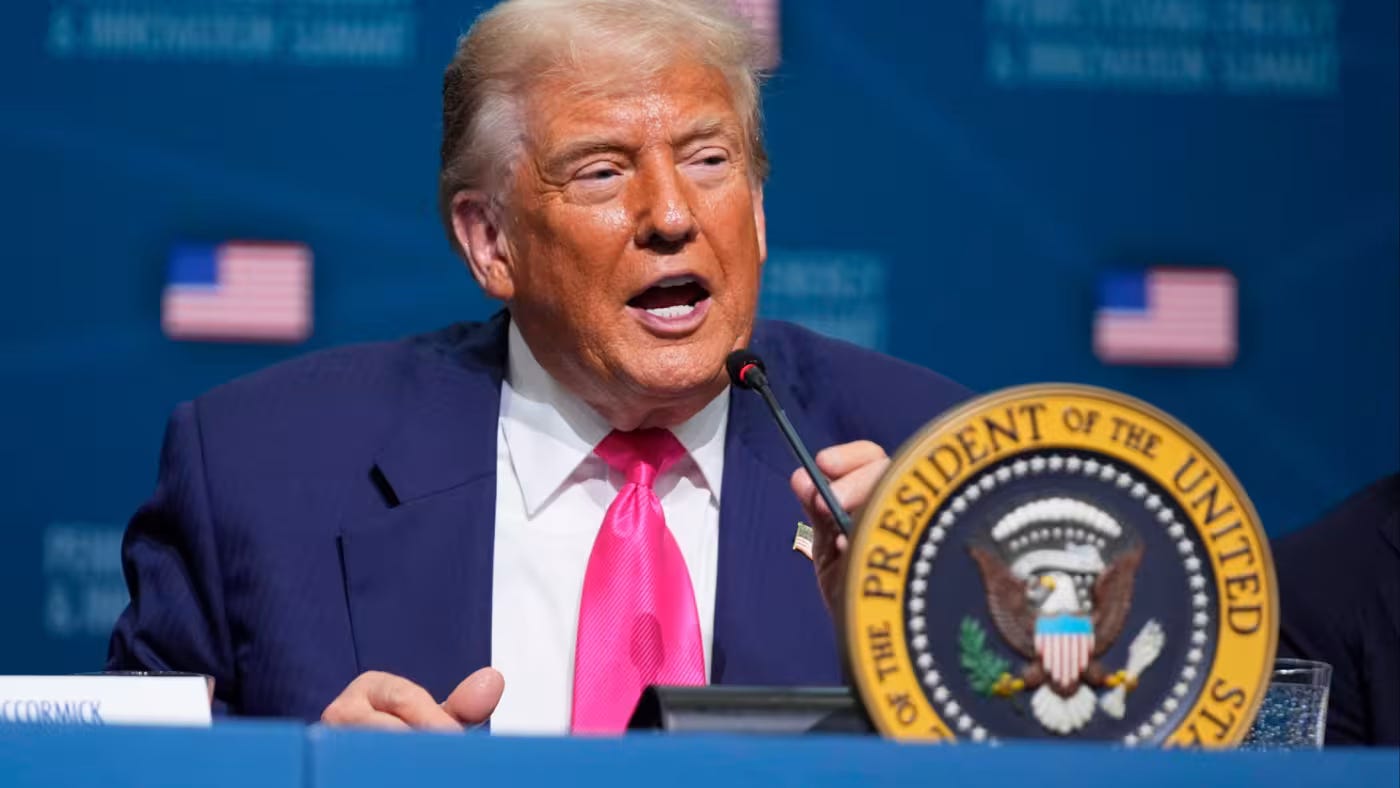
The United States and Japan have reached a major trade agreement under which the US will impose a 15% tariff on Japanese goods, down from the 25% rate previously threatened but higher than the 10% that had been in effect during negotiations. As part of the deal, Japan has pledged to invest $550 billion in the US, with investments targeting resilient supply chains in sectors like semiconductors, shipbuilding, aviation, energy, and artificial intelligence. The agreement also opens Japan’s markets further to American cars, trucks, rice, and agricultural products, and lowers US tariffs on Japanese automobiles and auto parts to 15%, without imposing quotas on the number of imports. However, high tariffs on Japanese steel and aluminum—set at 50%—remain unchanged. The announcement led to a surge in Japanese auto stocks and was celebrated as an unprecedented economic deal, although some US auto industry representatives criticized it for offering lower tariffs to Japanese vehicles than to those from North America. The deal arrives amid a climate of heightened US tariffs on global allies and follows extensive negotiation rounds and political shifts in Japan.
Tech — Texas Instrument Plunges Amidst Tariff Concerns
Bloomberg
Texas Instruments shares plunged more than 11% in late trading after the company issued a third-quarter revenue forecast of $4.45 billion to $4.8 billion, with profit guidance of about $1.48 per share—numbers that, while meeting or slightly beating some analyst estimates, were more guarded than investors had hoped. The main driver behind the stock’s drop was mounting concern over whether a recent surge in demand was merely customers pulling orders forward to avoid tariffs, rather than signaling a lasting recovery—an uncertainty executives openly acknowledged. While second-quarter results showed a 16% jump in revenue, management could not quantify how much of that came from these tariff-related moves, raising further doubts about future sales stability amid escalating trade tensions between the US and China. Texas Instruments, which earns about a fifth of its revenue from China and is investing heavily to expand US-based manufacturing, warned that spending on plant construction was weighing on cash flows and profits. Analysts also pressed company leaders about a seemingly more pessimistic stance, especially driven by continued weakness in automotive chips, even as demand in other segments gradually recovers.
Economics — Want Higher Pay? Don’t Leave Your Job
Economists
For years, the best way to boost pay in America was to hop jobs—a strategy celebrated by career influencers and common wisdom alike—but that era appears to be fading as the labor market cools. New data from the Federal Reserve Bank of Atlanta shows that, for the first time in 15 years (except small interruptions), wage growth for workers who stay with their employer now outpaces that of job-switchers. This shift reflects broader troubles in the US jobs market: unemployment for recent graduates is rising, and while headline payroll gains remain positive, much recent job growth has come from government hires rather than the private sector. The once-hot surplus of job openings over job-seekers, a hallmark of the post-pandemic boom, has evaporated, and employer confidence in hiring and pay raises is lower than at any point since the pandemic. With fewer opportunities and stalling wage premiums for the footloose, staying put and investing in current roles may now be the safer path for American workers—at least until the labor cycle shifts again.
Culture — Airline’s New Pricing Trick
Economists
Recent investigations have revealed that major U.S. airlines—specifically American, Delta, and United—have quietly introduced a new pricing strategy that often charges solo travelers significantly more than those booking as a pair, sometimes by as much as 70% for the same flight. This practice, uncovered by travel site Thrifty Traveler, is achieved by using fare classes that only unlock the lowest ticket prices for bookings of two or more, effectively imposing a "single supplement" fee on individual passengers. The upcharge is particularly apparent on domestic, one-way weekday routes and is most aggressively applied by American Airlines, which, on certain routes, charges solo travelers at least 5% more on over half its flights, while United does so less frequently. The backlash from travel writers and customers has prompted Delta and, partly, United to roll back this policy, opting instead to raise pair fares to match solo ticket prices rather than offer true discounts to single flyers. While not found on international flights or among low-cost competitors like Southwest, the tactic highlights how airlines are leveraging booking data and fare segmentation to subtly increase revenue from business travelers and last-minute bookers who typically fly alone.
The Daily Spark
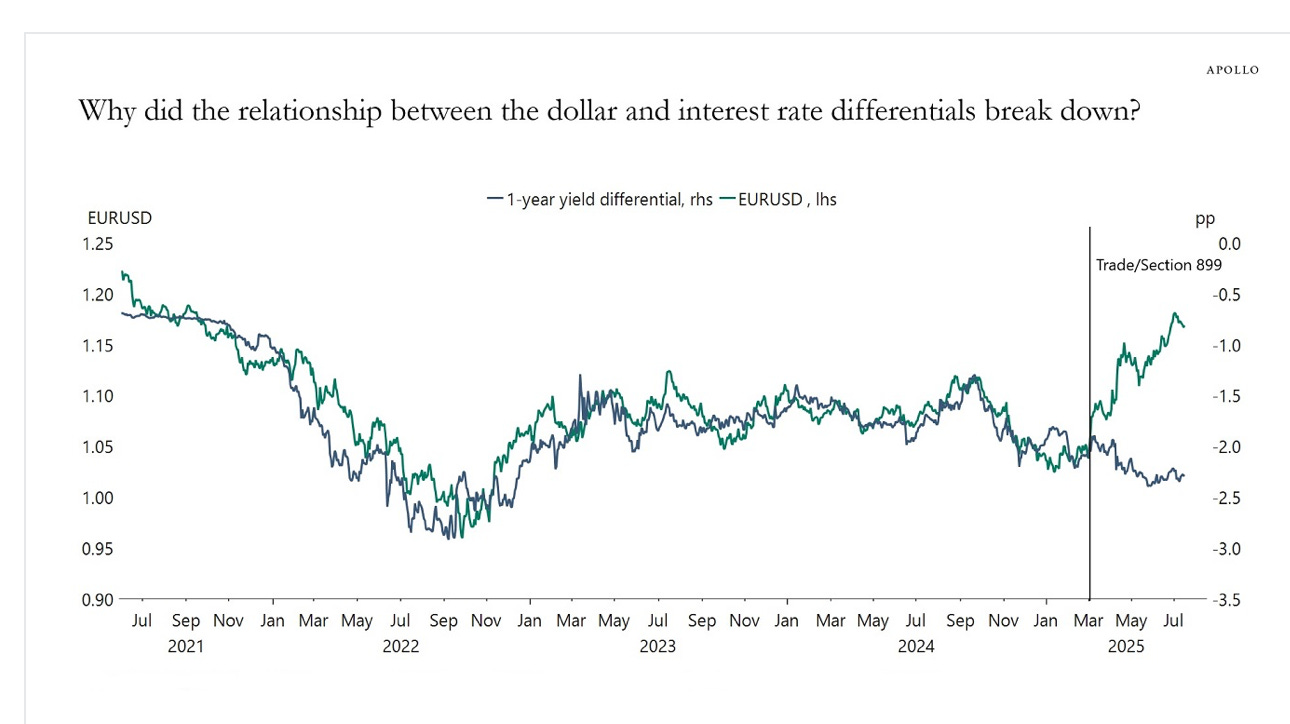
The dollar has depreciated more in the first half of 2025 than yield differentials would have predicted, see charts below and the chart book available here.
Regression models indicate that this was due to the trade war and economic policy uncertainty, including concerns among foreign investors about Section 899 and the Mar-a-Lago Accord.
Looking ahead, with Section 899 behind us and the trade war likely to be resolved within the next couple of weeks, the US dollar is expected to appreciate again.
Renewed strong appetite for US assets after Liberation Day is also visible in the Treasury International Capital data for May.
Song Recommendation — Daisy
Quote of the Day
"The cosmos is within us. We are made of star-stuff. We are a way for the universe to know itself. Some part of our being knows this is where we came from. We long to return. And we can. Because the cosmos is also within us. We're made of star-stuff. We are a way for the cosmos to know itself." - Carl Sagan