

World Events — The Man With a New Plan for Vietnam

The Economists
Fifty years after the fall of Saigon, Vietnam stands as a booming economic powerhouse, yet faces daunting new challenges that threaten its remarkable progress. The man tasked with steering the country through this perilous moment is Tô Lâm, a former security chief who rose to become general secretary of the Communist Party in 2024 after orchestrating a sweeping anti-corruption campaign. Recognizing that Vietnam’s export-driven, low-wage growth model—crafted during the 1980s doi moi reforms—is reaching its limits amid rising labor costs, an aging population, and a punishing new 46% U.S. tariff, Tô Lâm has set out an ambitious agenda to transform the economy. He has declared the private sector the “most important force” for national development, aiming to double the number of private enterprises by 2030, foster globally competitive “national champions,” and overhaul Vietnam’s legal and financial systems to level the playing field for smaller firms. At the same time, he is consolidating power, streamlining the state by cutting civil service jobs and reducing the number of provinces, while navigating a delicate diplomatic balancing act between the U.S. and China. Tô Lâm’s reforms could propel Vietnam into the ranks of developed nations if he succeeds in breaking the grip of entrenched interests and oligarchs, but his centralization of authority risks stifling the very innovation and openness needed for the next stage of growth. Vietnam’s future now hinges on whether its hard man can become a true reformer, pulling off a second economic miracle before the country grows old.
Tech — Xi’s Plan to Beat American AI
The Economists
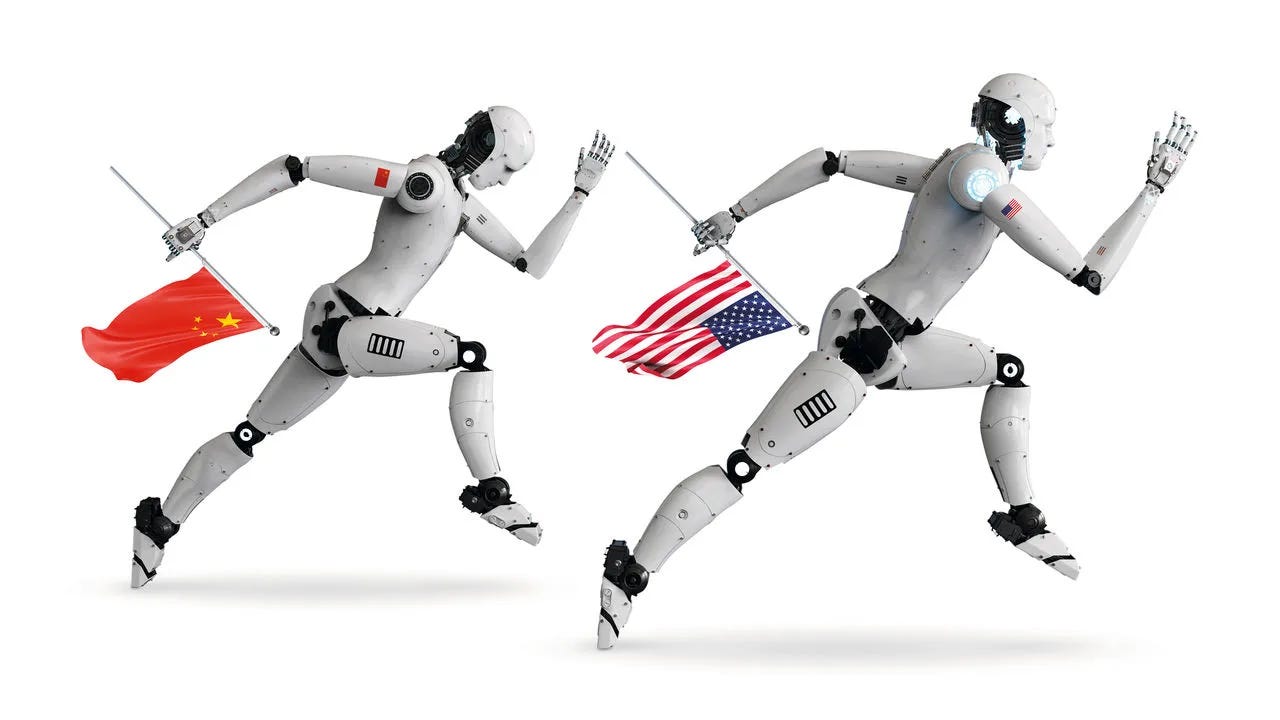
Xi Jinping’s plan to beat America at AI centers on leveraging China’s state-driven model to focus on practical, large-scale applications rather than chasing abstract breakthroughs like artificial general intelligence (AGI). While the U.S. pours vast sums into AI model development and dreams of superintelligence, China’s leadership is prioritizing the integration of AI into manufacturing, industry, and daily life, aiming to transform its economy and society through widespread adoption.Xi has called for “self-reliance and self-strengthening” in AI, pushing for domestic innovation and reducing dependence on foreign technology, especially amid U.S. export controls. China’s strategy is built on massive investments in digital infrastructure, a robust data ecosystem, and government-backed initiatives such as the Next Generation AI Development Plan and “Made in China 2025,” which target self-sufficiency and global leadership by 2030. By open-sourcing model weights, rapidly deploying AI in real-world settings, and amassing user data, China aims to undercut America’s technological monopoly and build an ecosystem that is cheaper, faster, and more deeply embedded in society. This approach, reminiscent of how China leapfrogged in e-commerce and digital payments, is designed to outlast and outmaneuver America’s cash-fueled, utopian AI race by focusing on tangible economic gains and global diffusion rather than a single moment of technological triumph.
Business — Why It Has Never Been Better To Be a Big Company

The Economists
It has never been better to be a big company because the disruptive forces of artificial intelligence and shifting trade policies, especially under Donald Trump, are reinforcing the advantages of scale that large firms already enjoyed. Big companies can invest heavily in AI, organizing vast data sets and deploying advanced tools across their sprawling operations, while smaller rivals struggle with the high costs and complexity of adoption. Politically, large corporations are more resilient to tariff shocks, have greater supply chain flexibility, and wield significant lobbying power—securing direct access to policymakers and shaping regulations in their favor. These factors have widened the profitability gap between corporate giants and smaller firms, with the largest companies bouncing back faster from economic shocks and outperforming in most sectors. However, this era of dominance comes with risks: giants face more political scrutiny and could suffer most if global markets fragment or if they fail to adapt quickly to technological change, but for now, the age of scale is paying off handsomely for America’s biggest businesses.
Society — Why AI Hasn’t Taken Your Job

The Economists
Despite the rapid strides made in artificial intelligence, fears that AI is causing widespread job losses remain largely unfounded. Employment data from the U.S. and other advanced economies show that jobs in sectors often considered vulnerable—such as translation, interpretation, and white-collar support roles—have either grown or remained stable, while overall unemployment rates stay low and wage growth remains robust. This suggests that AI, rather than displacing workers en masse, is more often being used to augment human productivity. Two key reasons explain this trend: first, despite the hype, less than 10% of American firms currently use AI extensively in producing goods and services; second, companies adopting AI tend to use it as a tool to help employees perform tasks faster and more efficiently, rather than as a means to cut headcount. Moreover, broader labor market indicators, such as the employment rate in OECD countries, have hit record highs, and relative unemployment among younger, knowledge-sector workers predates the AI boom, indicating other factors at play. While AI’s transformative potential remains immense, the immediate impact on jobs is more subtle and incremental, suggesting that the much-discussed “AI jobs apocalypse” is still a distant prospect rather than an imminent reality.
The Daily Spark
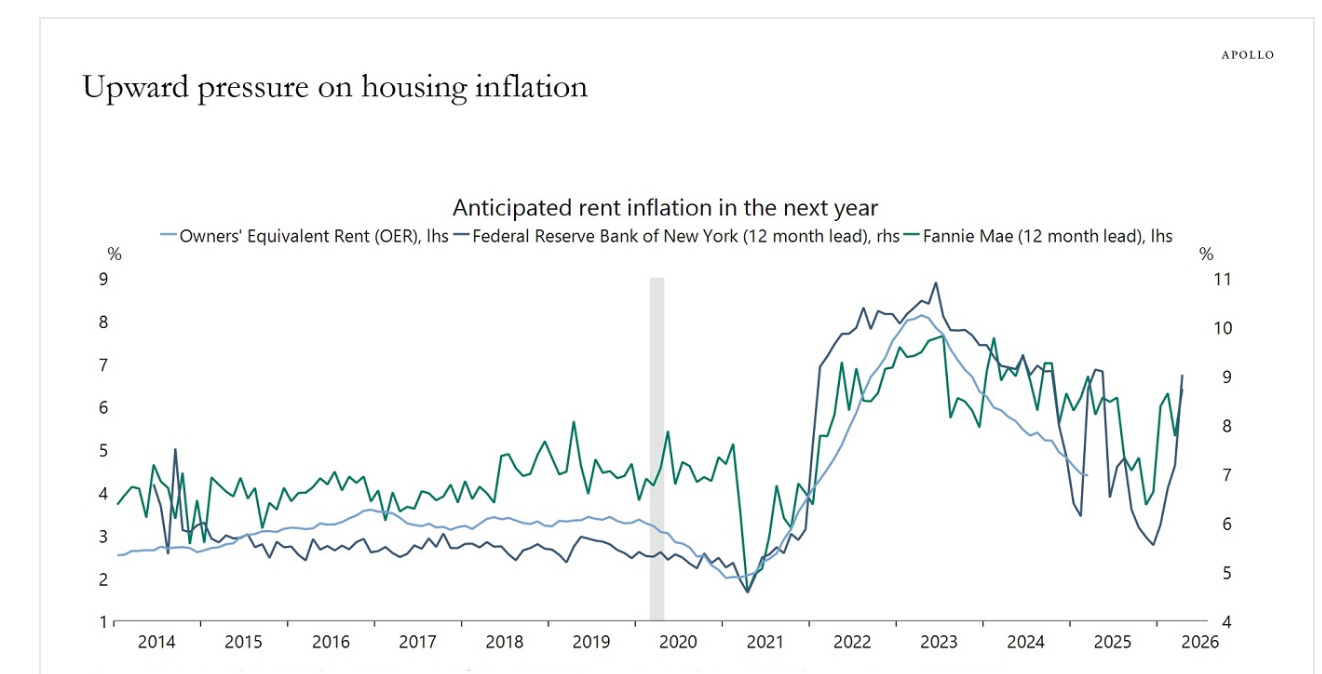
Inflation has for several years been moving down toward the Fed’s 2% inflation target. But the consensus now expects inflation to rise over the coming quarters, driven by tariffs and by upward pressure on housing inflation, see charts above.
Rock — I’m In Love With You (1975)
Quote of the Day
“When you see only problems, you’re not seeing clearly.” ― Phil Knight, Shoe Dog: A Memoir by the Creator of Nike