

World Events — Why India Isn’t Winning the Contest With China

The Economists
India is struggling to maintain its regional influence in South Asia, despite cultural and geographical proximity, as China strategically capitalizes on political transitions and diplomatic missteps. The country's heavy-handed approach, which often marginalizes opposition groups and civil society, combined with opaque deals, particularly those involving the Adani Group, has eroded confidence among neighboring states. Recent political upheavals have seen leaders once friendly to India repositioning themselves, creating openings for Chinese engagement. Critics within India argue for a more nuanced diplomatic strategy that emphasizes transparent, values-based policies and better regional coordination, warning that without significant adjustments, South Asian countries will continue to hedge their bets, allowing China to systematically expand its strategic footprint in the region.
Tech — Qualcomm on Chip Demand

Bloomberg
Qualcomm Inc., the world's largest smartphone processor manufacturer, experienced a decline in after-hours trading due to investor concerns about potential stagnation in new handset demand for the upcoming year. Despite reporting quarterly sales and profits that surpassed estimates, with revenue rising 17% to $11.7 billion and earnings of $3.41 per share (excluding certain items), the company's stock fell approximately 4% following the earnings announcement. The primary source of investor apprehension stems from Qualcomm's forecast for its licensing business revenue, projected to be between $1.25 billion and $1.45 billion, which falls slightly short of the average analyst expectation of $1.4 billion. Chief Financial Officer Akash Palkhiwala's projection of flat or low single-digit growth for the overall market in 2025 further fueled these concerns. This outlook aligns with IDC's forecast of low single-digit growth in worldwide smartphone shipments for the next few years, highlighting the challenges faced by the smartphone industry in maintaining robust growth rates.
Economics — Yen Rises
Bloomberg
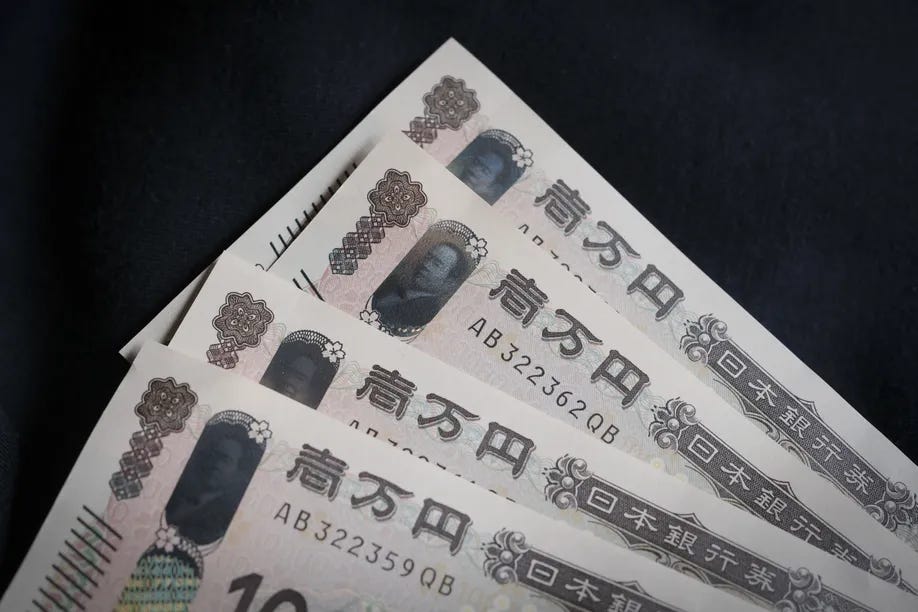
The Japanese yen has surged in popularity among currency traders, becoming the most-traded currency against the US dollar on February 5, 2025, according to data from the Depository Trust & Clearing Corporation (DTCC). This shift comes as hedge funds abandon their dollar positions in favor of the yen, driven by better-than-expected Japanese wage data that strengthens the case for continued interest rate hikes by the Bank of Japan. Option trading volume for the yen nearly doubled its previous 2025 high, with traders increasingly betting on the dollar-yen pair potentially falling to the 147-150 range. The yen's rally against major currencies reflects growing investor confidence in Japan's economic outlook and monetary policy, while the US dollar faces headwinds from falling Treasury yields and uncertainty surrounding the Federal Reserve's rate decisions.
Health — Bird Flu in Cow
NBC Health
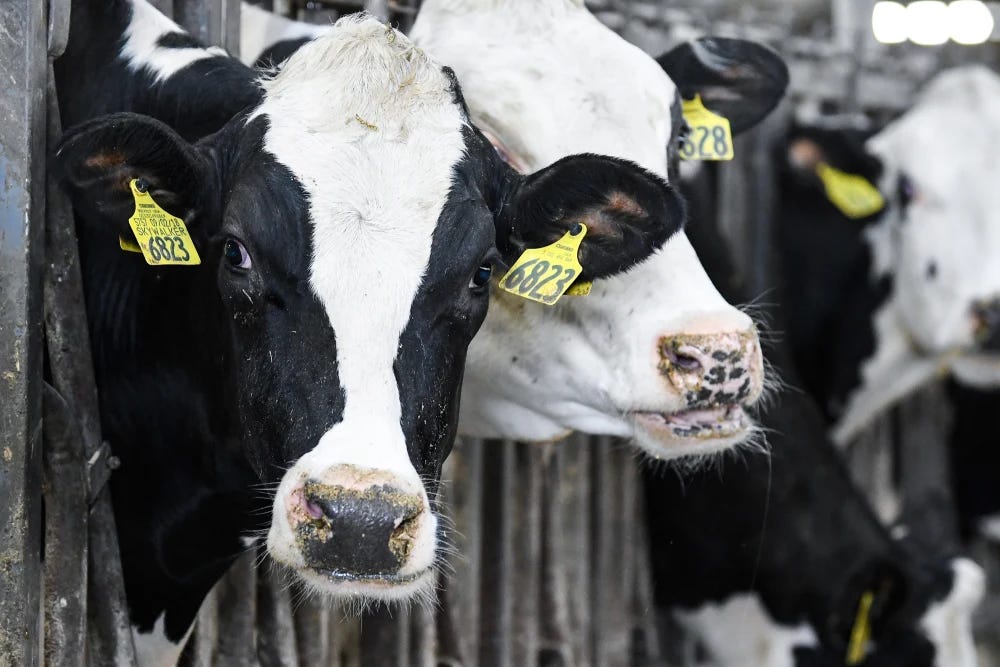
The U.S. Department of Agriculture (USDA) has identified a second strain of bird flu in dairy cattle, marking the first time this particular strain has been detected in cows. The new strain, identified as the D1.1 genotype, was discovered through genome sequencing of milk samples from Nevada as part of the agency's National Milk Testing Strategy, which began in December 2024. This discovery is significant because previously, all 957 reported bird flu infections in dairy herds since March 2024 were caused by a single strain, the B3.13 genotype. The D1.1 genotype has been the predominant strain among wild birds during the past fall and winter, and has also been found in poultry and some human cases, including a fatal case in Louisiana. This development has raised concerns about the virus's ability to adapt and spread, with experts emphasizing the need for swift containment to prevent further transmission to dairy cattle in other states.
Food — What To Eat To Lose Those Visceral Fat

Eating Well
Nutrition experts recommend seven key foods to help reduce visceral fat, the stubborn belly fat that can increase health risks. These foods include lean pork, frozen shrimp, canned beans, tofu, nuts, oats, and berries. Lean pork and frozen shrimp provide high-quality protein, which aids in weight loss and visceral fat reduction. Canned beans offer both protein and fiber, promoting satiety. Tofu, a versatile plant protein, has been linked to decreased total and visceral fat. Nuts combine healthy fats, protein, and fiber to support weight management. Whole-grain oats contain beta-glucan, a soluble fiber associated with lower belly fat. Lastly, berries are rich in fiber and have been correlated with reduced visceral fat levels. Incorporating these nutrient-dense foods into your diet can contribute to a healthier waistline and overall well-being.
Song Rec — Blue (Yung Kai)
Quote of the Day
“Some people turn sad awfully young. No special reason, it seems, but they seem almost to be born that way. They bruise easier, tire faster, cry quicker, remember longer and, as I say, get sadder younger than anyone else in the world. I know, for I'm one of them.” — Ray Bradbury