

Why Black Friday Sales Grow More Annoying Every Year
The Economists
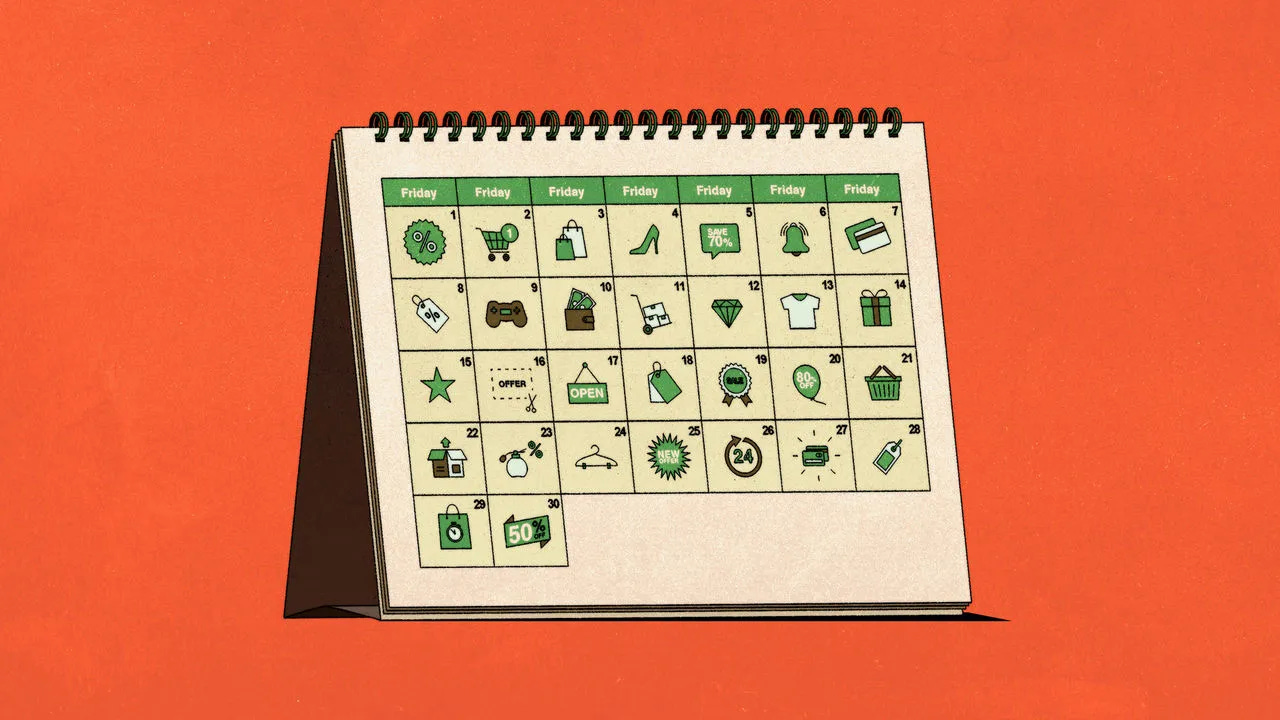
Black Friday, which occurs the day after Thanksgiving, falls on November 29th this year. Traditionally viewed as the start of the holiday shopping season, it has evolved from a single day of sales into a broader concept that now includes weeks of discounts. The phenomenon began in the 1950s when police in Philadelphia coined the term to describe the chaos caused by large crowds of shoppers. Over time, retailers redefined Black Friday to symbolize profitability, marking the transition from being "in the red" to "in the black" as they began to turn a profit for the year. This shift in perception solidified Black Friday's status as a major shopping event, with many consumers now expecting deals well before Thanksgiving.
The competitive nature of American retail has led to an earlier start for sales, with some retailers offering discounts as early as October. This trend reflects a broader economic strategy where retailers aim to capture consumer attention and sales before their competitors. However, this extended discount period can also lead to market inefficiencies and consumer fatigue, as shoppers are bombarded with advertisements over an extended timeframe. Economists refer to this phenomenon as "unraveling," where retailers continuously push sales earlier each year, potentially sacrificing full-price sales in the process. As Black Friday continues to evolve, there is speculation that it could shift even further into the calendar year, perhaps becoming a summer event by 2035.
Song Recommendation — Bring Me Back by Miles Away
Enjoy your weekend!