

Is Inflation Coming Back?
The Economists
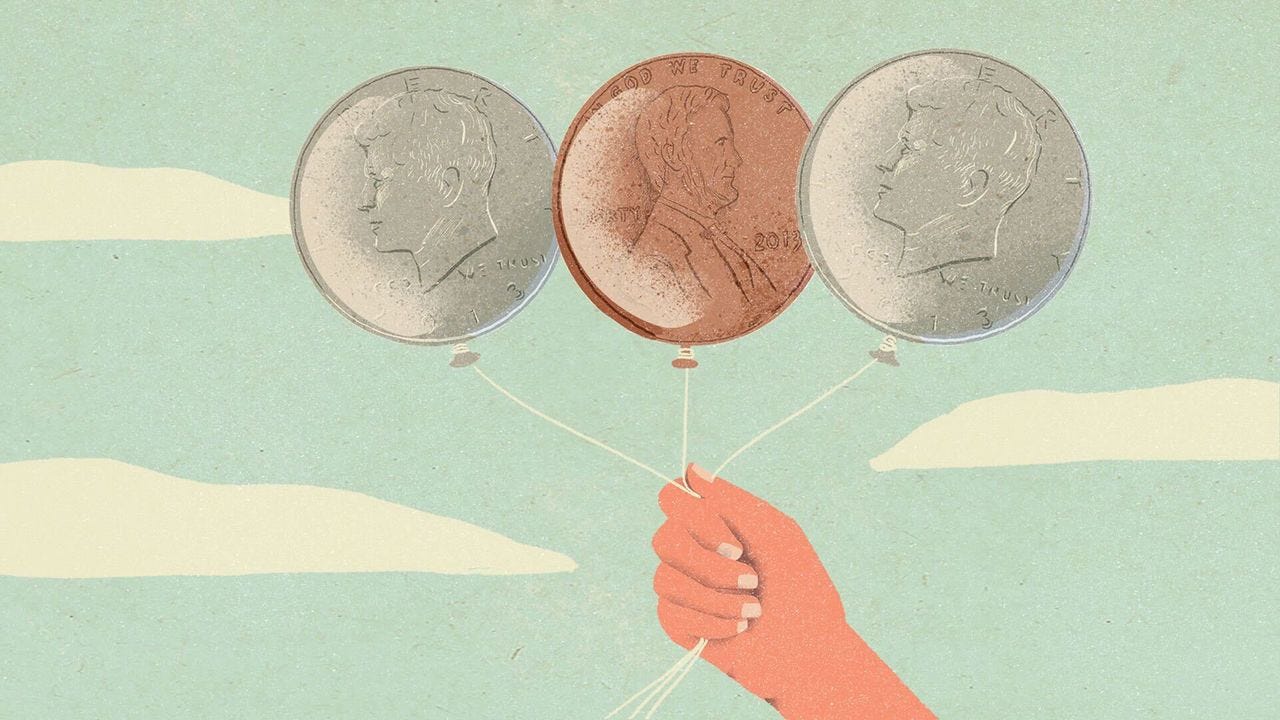
Investors' fears of a resurgence in inflation may be more than just speculation, as recent economic data suggests a troubling reversal of the downward trend that had characterized developed economies since 2022. After peaking at a staggering 11% year-on-year in 2022, inflation rates across affluent nations had been steadily declining, offering a glimmer of hope for stability. However, recent figures indicate that this trend is shifting; for instance, headline inflation rose from 2.1% in September to 2.5% in December 2024. In the UK, January's inflation rate climbed to 3% year-on-year from a recent low of 1.7%, while Poland's inflation increased to 5.3%. Even Germany, which saw a decrease to 2.3%, remained above the previous summer's rate of 1.6%. In the United States, consumer prices rose by 3% year-on-year, up from a low of 2.4%. These developments have raised questions about the timing and appropriateness of central banks' decisions to cut interest rates before inflation had fully stabilized at or below target levels, especially given that economic growth has not significantly slowed down.
The current economic landscape bears unsettling similarities to the inflationary crises of the 1970s when policymakers made critical errors by prematurely easing monetary policies. During that decade, despite initial successes in curbing inflation, central banks failed to respond swiftly enough to an oil-price shock in 1979, allowing inflation to spiral out of control. In the United States, inflation soared to 12% in 1974, dipped to 5% in 1976, and then surged again to an alarming 15% by 1980. This historical context raises concerns that today's policymakers might be repeating past mistakes by not adequately addressing lingering inflationary pressures. The tight labor markets across developed economies are particularly worrisome; with the OECD unemployment rate remaining below 5% for nearly three years, companies are competing aggressively for talent, leading to nominal wage increases exceeding 4% year-on-year across major economies. Unfortunately, weak productivity growth means that these higher wage costs may be passed on to consumers in the form of elevated prices, further exacerbating inflationary trends.
Moreover, various factors indicate that inflationary pressures may be more entrenched than previously thought. Recent studies suggest that services prices are rising at an alarming rate—approximately 4% year-on-year in major economies—double the rate observed before the pandemic. Policymakers may inadvertently stoke these inflationary fires through fiscal measures; while central bankers might resist political pressure to lower interest rates, government actions can have significant repercussions on price stability. For instance, proposed policies such as Donald Trump's plans to deport millions of undocumented workers and raise tariff barriers could push prices higher. Additionally, about 40% of rich-world governments are implementing fiscal boosts this year, which could further inflate budgets and increase spending on infrastructure projects or tax cuts. Heightened consumer expectations regarding future price increases also pose a risk; surveys indicate that even with current EU inflation below 3%, citizens expect prices to rise by an astonishing 10% over the next year—double what they anticipated during the previous decade. This growing concern about inflation is echoed in data showing increased interest in inflation-related topics on Google and rising expectations among consumers across various countries. As John Cochrane aptly points out, “Inflation is like cockroaches; when there are only a few left [it] is not the time to let up,” highlighting the need for vigilance against potential economic pitfalls as we navigate this uncertain landscape.