

World Events — Trump’s Reluctance to Get Tough With Putin
The Economists
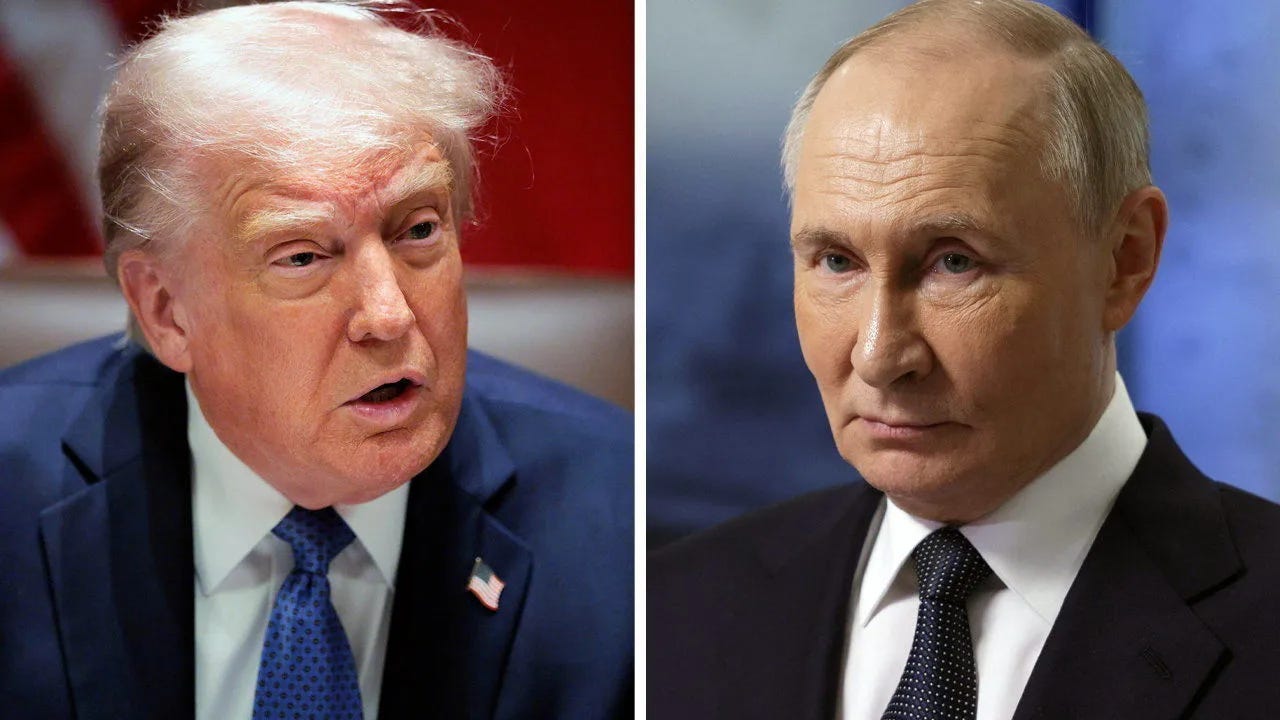
Donald Trump’s approach to Vladimir Putin and the war in Ukraine is marked by a notable reluctance to impose tougher sanctions or deliver ultimatums, instead favoring extended negotiations and direct talks between Russia and Ukraine. In a two-hour phone call with Putin on May 19th, Trump avoided threatening further consequences and instead announced that the two sides would "immediately" begin ceasefire negotiations—an outcome that aligns with Russia’s preference for talks before any cessation of hostilities and allows Moscow to continue its military campaign while negotiations drag on. This stance has frustrated Ukraine and its European allies, who are pushing for immediate and unconditional ceasefires and stronger sanctions, arguing that increased pressure is the only way to force Russia toward genuine peace.Trump’s administration appears divided, with some officials seeing his reluctance as a negotiating tactic, but critics warn that endless diplomacy without real leverage risks emboldening Putin and undermining Ukraine’s position. As Congress prepares even harsher sanctions and Europe pledges to escalate pressure, Trump’s indecision—oscillating between courtship, withdrawal, or confrontation—raises concerns that his strategy ultimately benefits Russia by buying it time on the battlefield and weakening Western resolve.
Tech — CATL’s IPO
Bloomberg
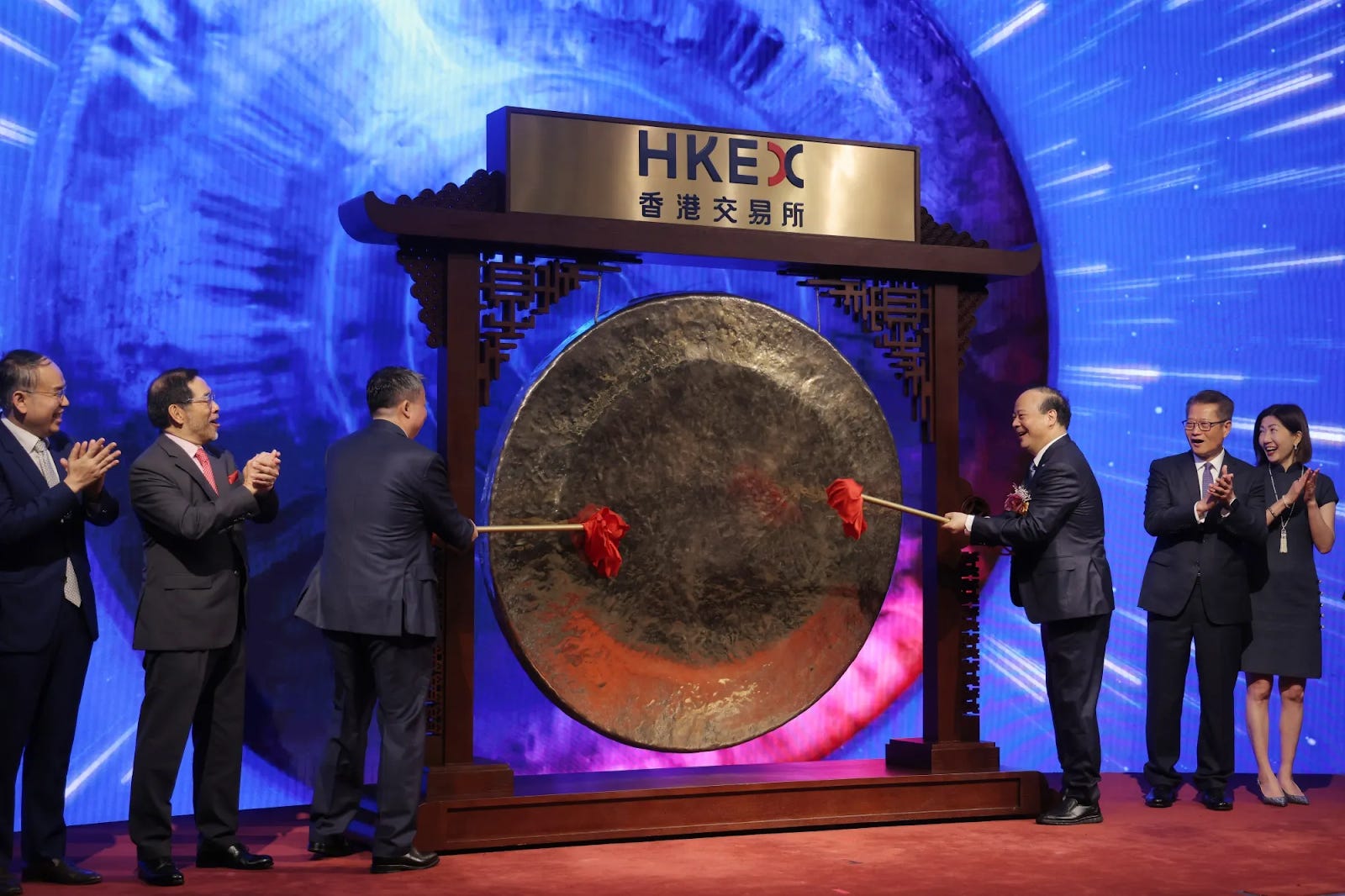
Shares of Contemporary Amperex Technology Co. Ltd. (CATL), the world’s largest electric-vehicle battery maker, surged as much as 14% in their Hong Kong trading debut after the company completed the biggest global listing of 2025, raising HK$35.7 billion ($4.6 billion). CATL’s shares opened at HK$296, well above the offer price of HK$263, reflecting robust investor demand—underscored by a retail oversubscription rate of 151 times. The listing, which could rise to $5.3 billion if an overallotment option is exercised, marks a major milestone for CATL’s global expansion strategy, particularly its plans to build a new factory in Hungary to supply European automakers. Despite being blacklisted by the Pentagon and facing geopolitical headwinds, CATL’s strong earnings, dominant 38% global market share, and leadership in battery technology have made it a “must-own” stock for investors seeking exposure to the EV sector. The successful debut not only doubled Hong Kong’s IPO proceeds for the year but also reinforced the city’s status as a global listing hub and could encourage more companies to go public.
Market — JPM’s Dimon Warns Risks Ahead in the Market
Bloomberg
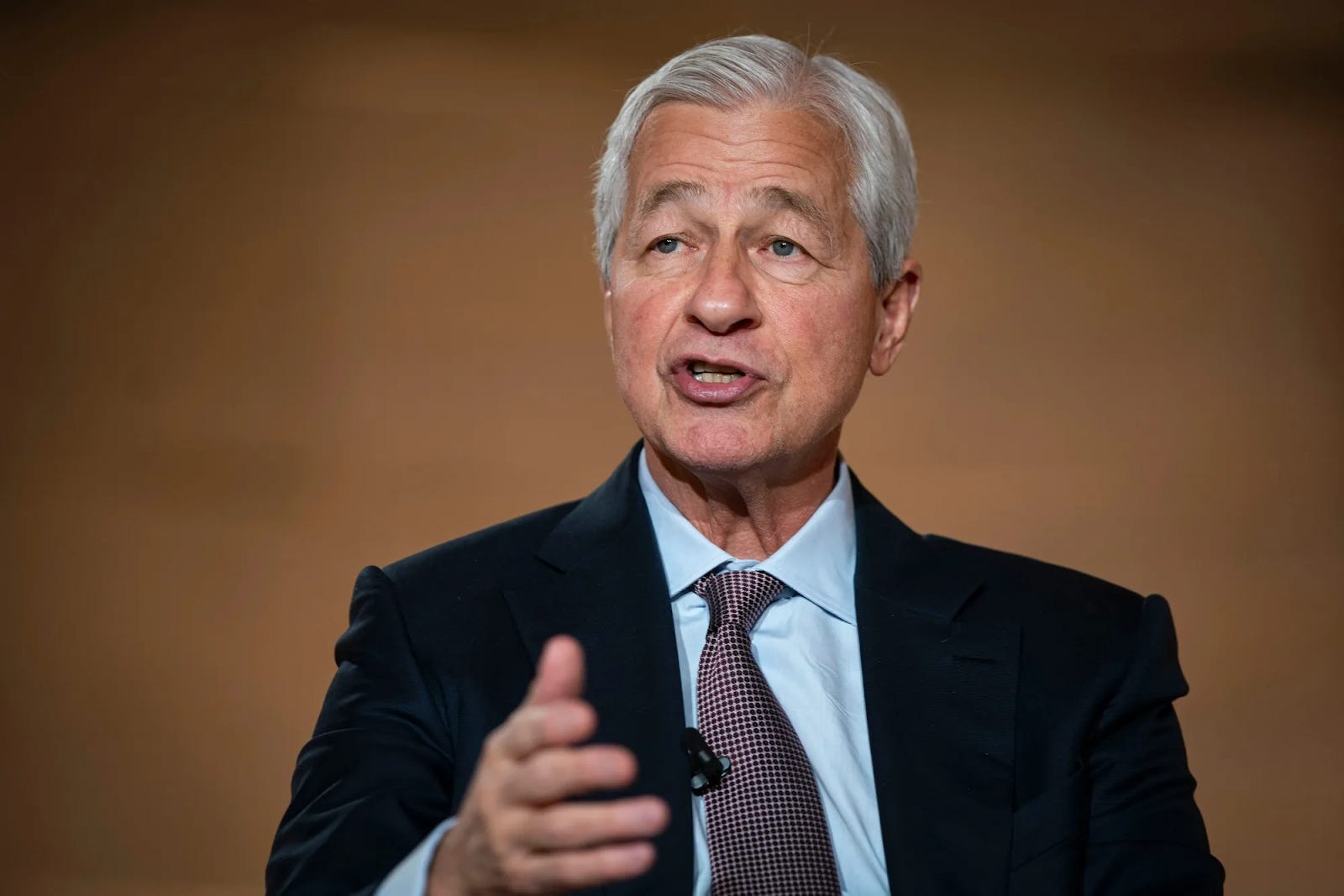
JPMorgan Chase CEO Jamie Dimon has warned that markets are displaying an "extraordinary amount of complacency" by underestimating the risks posed by persistent inflation, the potential for stagflation, high asset prices, and mounting geopolitical tensions. Dimon emphasized that the likelihood of elevated inflation and stagflation—a combination of stagnant growth and rising prices—is significantly higher than most investors believe, estimating the odds are "roughly double" current market assumptions. He also cautioned that credit spreads are not fully reflecting the dangers of a potential economic downturn, and that the full impact of recent tariff policies and global trade tensions has yet to be felt, with current tariff levels remaining "pretty extreme" and corporate earnings forecasts likely to be downgraded. Despite these headwinds, Dimon assured that JPMorgan is well-positioned to weather the turbulence, but he expects continued volatility and warns that investors and central banks should not be lulled into a false sense of security by recent market rebounds.
Society — American Brands Are Having an Image Problem
The Economists
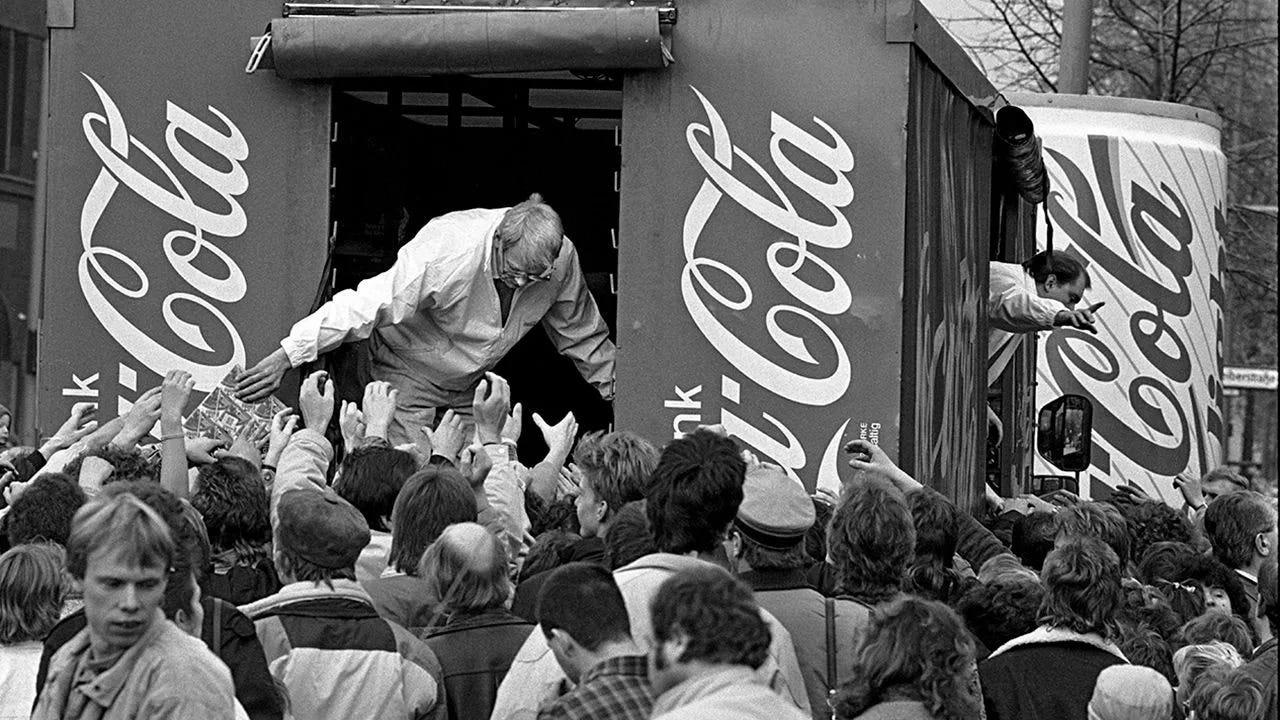
American brands are facing a new image crisis abroad, as Donald Trump’s polarizing rhetoric and aggressive policies—from trade wars to talk of territorial expansion—have soured global perceptions of the United States and sparked consumer backlash against iconic products like Coca-Cola and Jack Daniel’s. In countries such as Denmark and Canada, boycotts and government actions have directly hit American companies, with local retailers labeling non-American brands and provinces pulling U.S. products from shelves. Surveys show that unfavorable views of America now outnumber favorable ones in many regions, even placing the country behind China in global esteem, and consumers increasingly cite preference—not price—as their reason for switching away from American goods. This trend is especially damaging for sectors tightly linked to American identity, such as technology, automotive, and food and beverage, while industries like healthcare and logistics are less affected. With over $8 trillion in annual foreign sales at stake, American firms are being forced to confront the reality that their national brand, once a powerful asset, is now becoming a liability in many international markets.
The Daily Spark
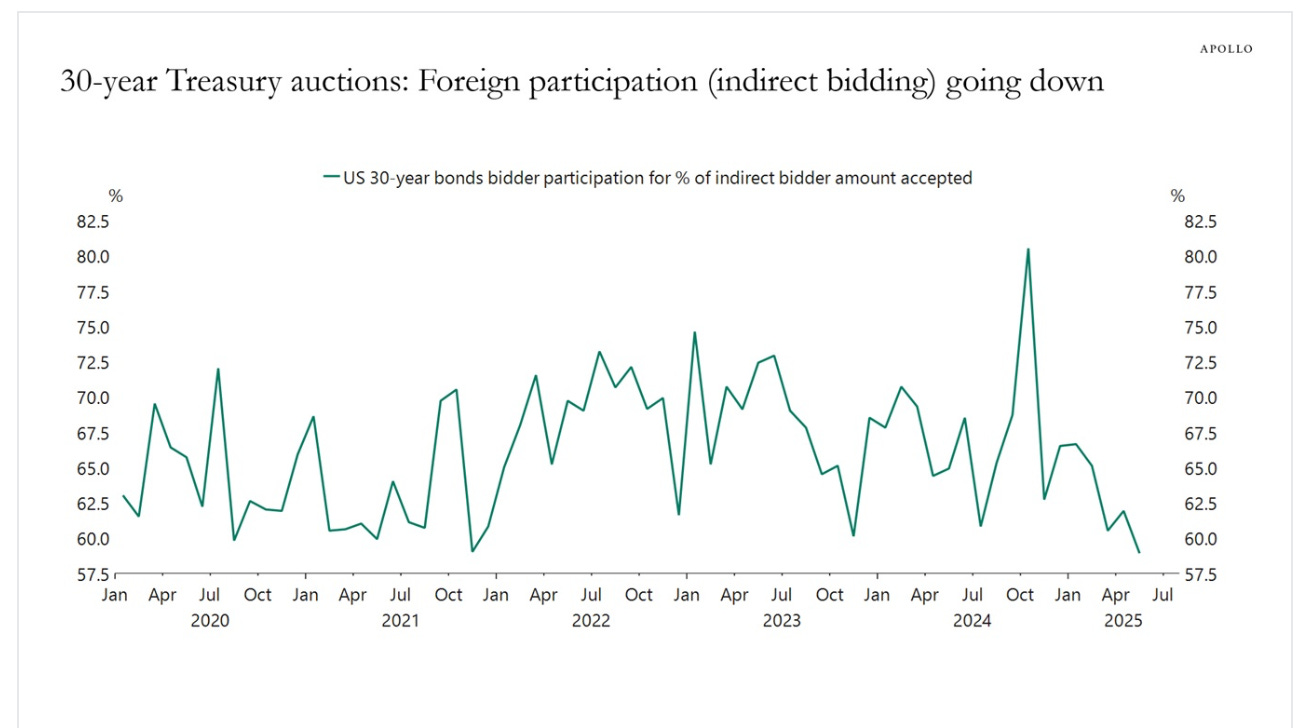
Indirect bidding in Treasury auctions refers to bids submitted on behalf of foreign institutions. These bidders don’t participate directly, but instead have their bids placed by intermediaries—hence “indirect.” Looking at foreign participation in 30-year Treasury auctions shows a downward trend in recent months.
Song Recommendation — drivers license (Lewis Capaldi)
Quote of the Day
“Keep your face to the sunshine and you cannot see a shadow.” — Helen Keller