

World News — Debt Demand Rises in Canada as Carney Prepares More Spending
Bloomberg
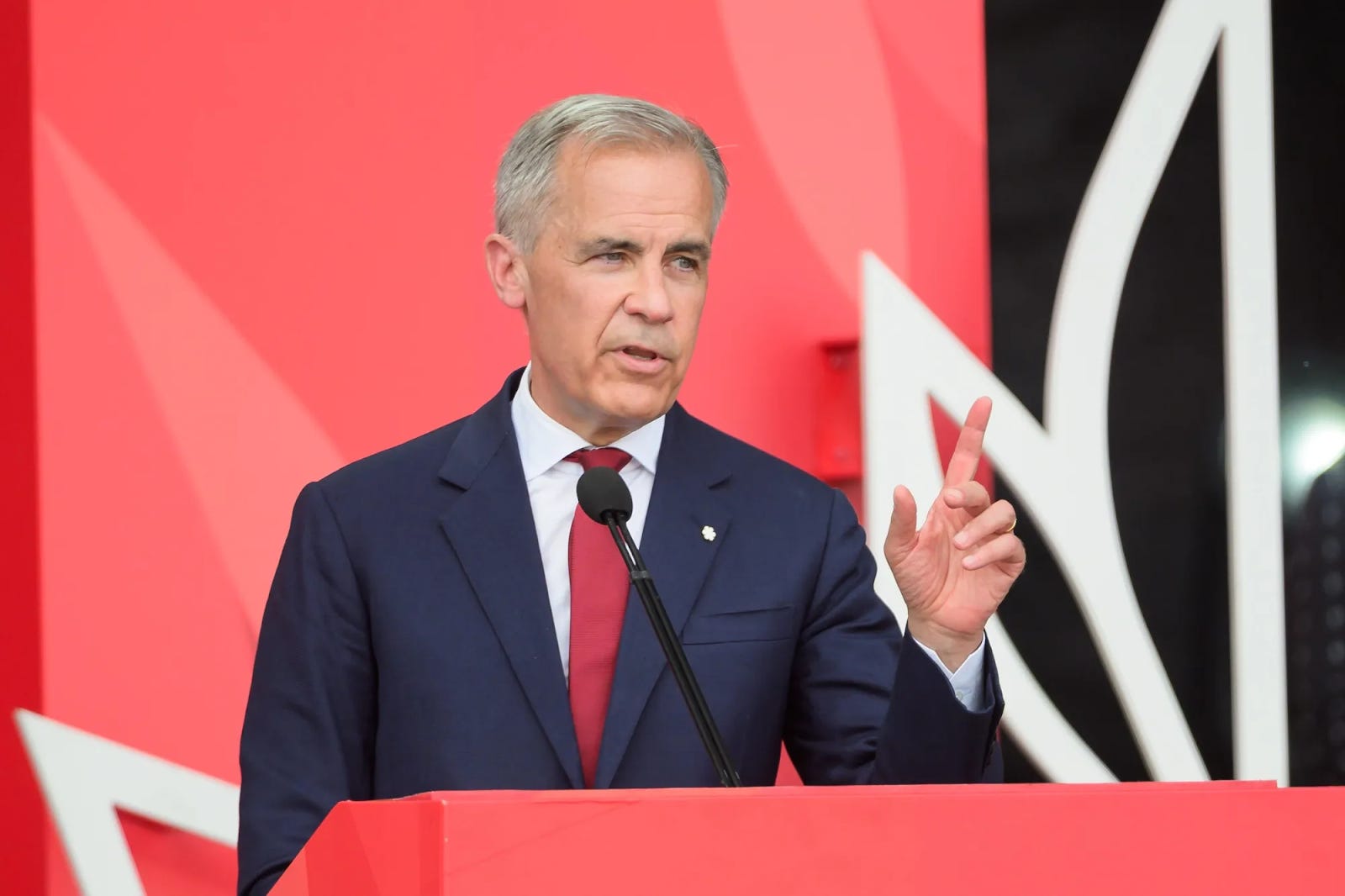
Canada’s government debt demand is set to reach a new record this fiscal year, with gross issuance of bonds and treasury bills expected to rise to C$612 billion, surpassing the previous high set during the Covid-19 pandemic as Prime Minister Mark Carney moves to boost economic investment. The Department of Finance attributes the continued elevated borrowing, in part, to the maturity of about C$80 billion in five-year notes issued during the pandemic and to ongoing plans to increase spending on defense and infrastructure amid slower economic growth and falling revenues. Financial requirements have climbed to C$147 billion, well above earlier projections, suggesting this year’s federal deficit could reach at least C$70 billion, as observed by analysts, while the government pursues both additional spending and efforts to cut costs, with potential public service layoffs ahead. Markets and analysts took the updated debt strategy in stride, as most participants had already anticipated increased borrowing and deeper deficits based on previous government signaling and Carney's campaign platform.
Tech — How BYD Caught Up With Tesla In the Global EV Race

FT
BYD has rapidly narrowed the gap with Tesla in the global electric vehicle (EV) market, poised to outsell its US rival in 2025 thanks to swift technological innovation, aggressive cost controls, and unmatched manufacturing scale. Once seen as trailing Tesla, BYD leveraged breakthroughs such as its “God’s Eye” driver-assistance system and a new fast-charging battery capable of adding 470km of range in just five minutes. BYD’s tightly integrated production and supply chain ecosystem, further enhanced by innovations in cost-saving for key components, has allowed it to offer quality EVs at lower prices and achieve a 21% share of the Chinese market—far ahead of Tesla’s 8%. Meanwhile, Tesla’s sales in China have declined, challenged by both rising local competition and regulatory restrictions on data transfer, which have slowed the development of its self-driving systems. While Tesla remains a leader in software and AI in western markets, BYD’s move to embed advanced technology at competitive prices—combined with the ability to develop more in-house solutions and reduce reliance on US-made chips—positions it as a long-term rival to Tesla. This intensifying race not only underscores growing US-China technological competition but is also spurring the entire automotive industry toward faster innovation in both electrification and autonomy.
Business — Uber Partners With Nuro and Lucid to Rejoin the AV Race
FT
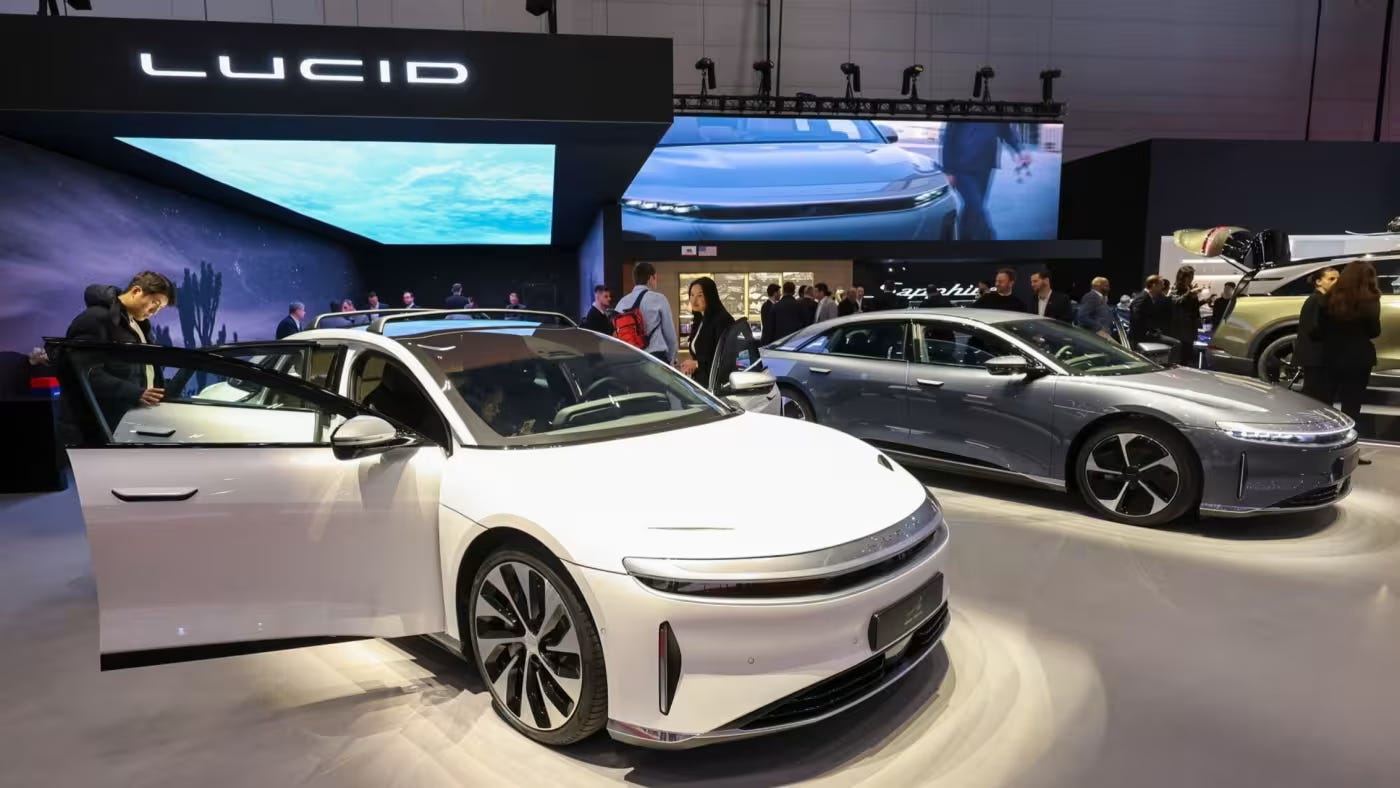
Uber has struck a landmark multibillion-dollar agreement with Lucid to purchase at least 20,000 specially outfitted Gravity SUVs over the next six years, positioning Lucid as a key supplier for Uber’s impending electric robotaxi fleet. As part of the deal, Uber will invest $300 million in Lucid, becoming its second-largest shareholder after the Saudi Public Investment Fund, and will also make a significant investment in Nuro, the self-driving technology startup supplying the vehicles' autonomous systems; Uber will join Nuro’s board through its participation in the startup’s $6 billion Series E round. Customised Lucid vehicles equipped with Nuro’s autonomous tech will begin rolling out in a major US city starting in 2026, with Uber’s commitment—including additional sensor kits and technology—estimated to be worth roughly $2 billion. The deal delivers crucial financial support for Lucid after significant losses and stock declines and signals a major push by Uber into autonomous mobility, amid deepening partnerships with major players like Alphabet’s Waymo and China’s Baidu, and rising competition from well-capitalized tech rivals.
Culture — We Are Winning the War on Cancer

Economists
Over the past several decades, the world has made remarkable strides in combating cancer, reflected in a steady and substantial decline in age-adjusted death rates since the early 1990s. In the United States alone, cancer mortality has fallen by about a third compared to those peaks—a trend mirrored in other developed countries. Globally, roughly one in six deaths are due to cancer, but advances in prevention, early detection, and treatment are steadily reducing that risk. Major breakthroughs, such as the near eradication of fatal childhood leukemia through improved therapies, the success of HPV vaccination programs drastically lowering cervical cancer incidence, and the widespread reduction in smoking rates, have collectively prevented millions of premature deaths. Rather than a single dramatic breakthrough, these gains stem from thousands of incremental improvements: better screenings, more effective surgeries, targeted pharmaceuticals, and now, emerging immune-based therapies and personalized medicine. Looking ahead, extending proven prevention strategies worldwide, making lifesaving drugs more affordable, and harnessing the latest genomics and data science hold promise to drive cancer deaths even lower. While disparities and challenges remain, the accumulated progress means cancer is increasingly treatable—and in some cases preventable—as falling death rates in 2025 and beyond show a world that is, at last, turning the tide in this long fight.
The Daily Spark
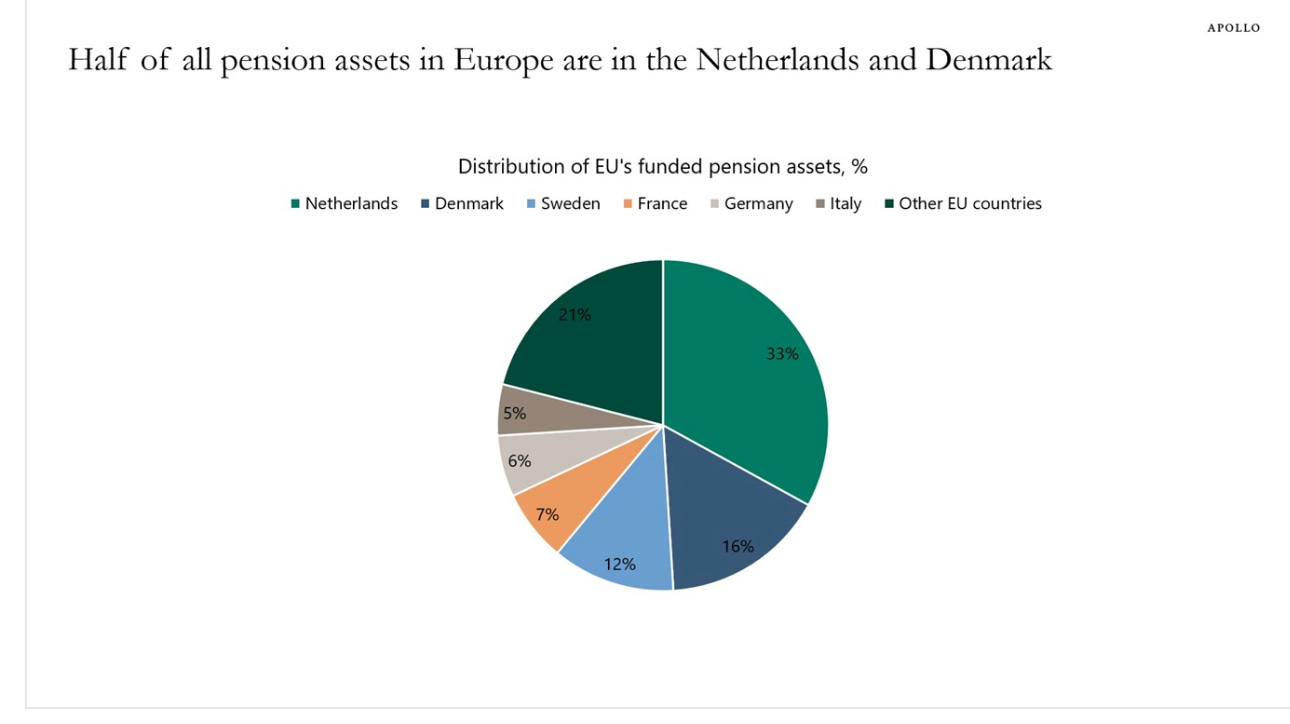
Retirement systems are very different across European countries. The Netherlands and Denmark together account for half of all pension savings in Europe, see chart below.
Song Recommendation — Thinking Out Loud
Quote of the Day
"I never learn anything talking. I only learn things when I ask questions." - Lou Holtz