

World Events — Carney’s Plan to Manage Trump
Bloomberg
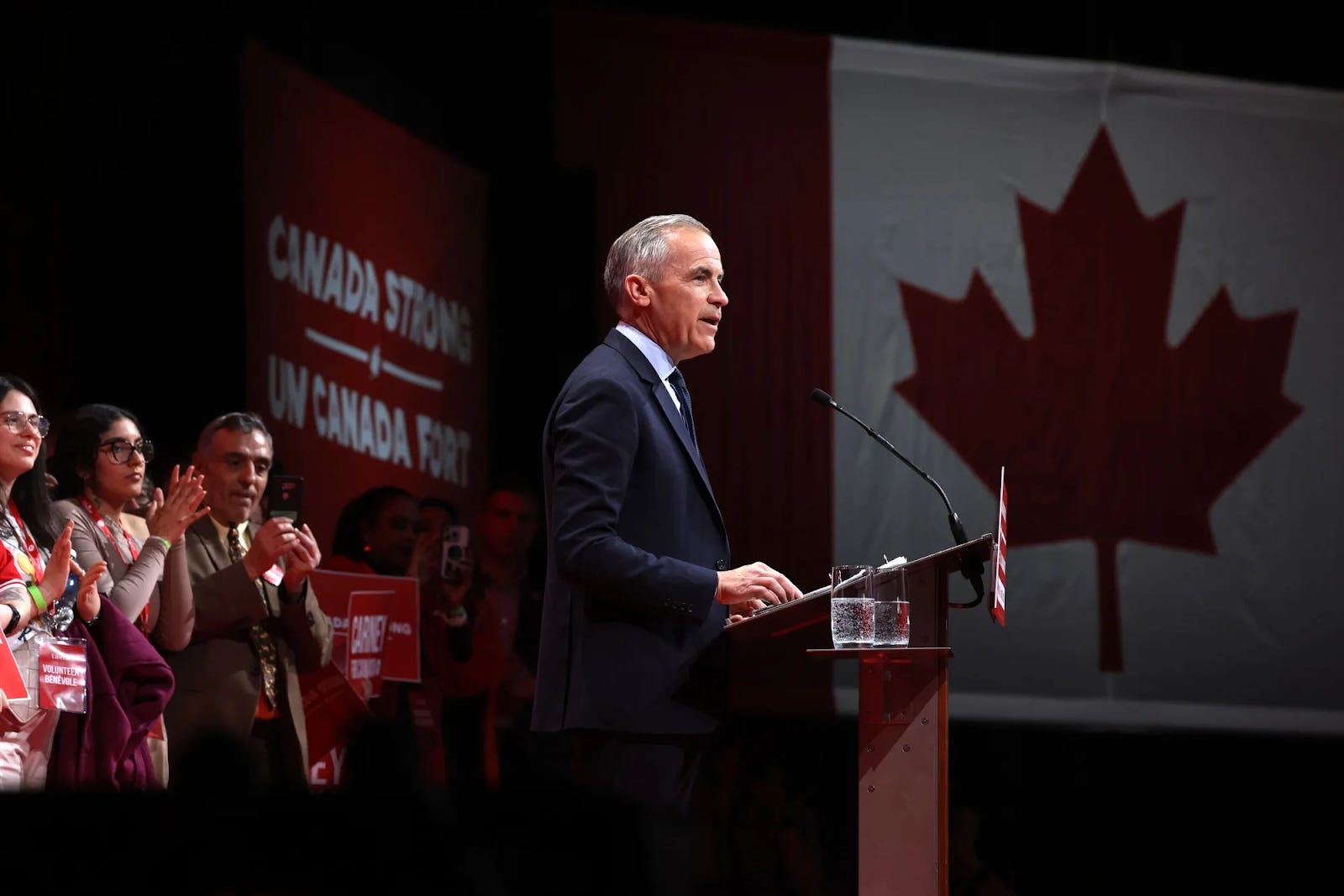
Mark Carney was elected Prime Minister of Canada on April 29, 2025, after campaigning on a promise to manage escalating trade tensions with the United States under President Donald Trump, whose tariffs and threats-including talk of turning Canada into the 51st state-had unsettled both the Canadian economy and electorate. Carney’s approach, marked by calm resolve and experience from his central banking career, reassured voters anxious about the economic fallout, particularly in sectors like autos and steel that are heavily dependent on US trade, which comprises 69% of Canada’s total exports and imports. His strategy centers on making the Canadian economy more resilient by dismantling internal trade barriers, boosting housing and energy infrastructure, and forging stronger ties with Asia and Europe to reduce reliance on the US, while also pledging to stand firm against US pressure without resorting to the combative rhetoric of his predecessor, Justin Trudeau. Although Carney’s Liberals won a fourth straight election, they fell short of a majority, meaning he will need to collaborate with opposition parties to advance his agenda, all while balancing competing priorities such as expanding energy exports and addressing climate change. Carney has already spoken with Trump and plans to meet soon, emphasizing the need for Canada and the US to work together as independent, sovereign nations, but he remains vigilant against US attempts to use economic leverage for major concessions, warning that the stakes for Canada are existential.
Tech — Apple Reshuffle Its Music Division and Government Affairs

Bloomberg
Apple has implemented significant leadership changes in its government affairs and music divisions, marking the latest in a series of organizational shifts at the company this year. In the global affairs division, Apple has restructured reporting lines: the heads of Europe and Asia now report directly to Lisa Jackson, Apple’s vice president overseeing government affairs, while the India and China teams will report to Nick Ammann, who continues to serve as the company’s main liaison with the Trump administration. This move comes as Apple faces heightened regulatory scrutiny in key markets and navigates ongoing trade tensions and tariffs, prompting the company to adapt its government relations strategy and shift some device production from China to India. Meanwhile, the music division will now be co-led by Rachel Newman, a longtime Apple executive, and Ole Obermann, a former TikTok and Warner Music executive, both reporting to Oliver Schusser; this dual leadership aims to drive growth in Apple Music and ease Schusser’s expanded responsibilities across Apple’s services portfolio. These changes reflect Apple’s efforts to streamline management and respond more effectively to regulatory, competitive, and operational challenges worldwide.
Business — US Clothing Prices Will Likely Rise
Bloomberg
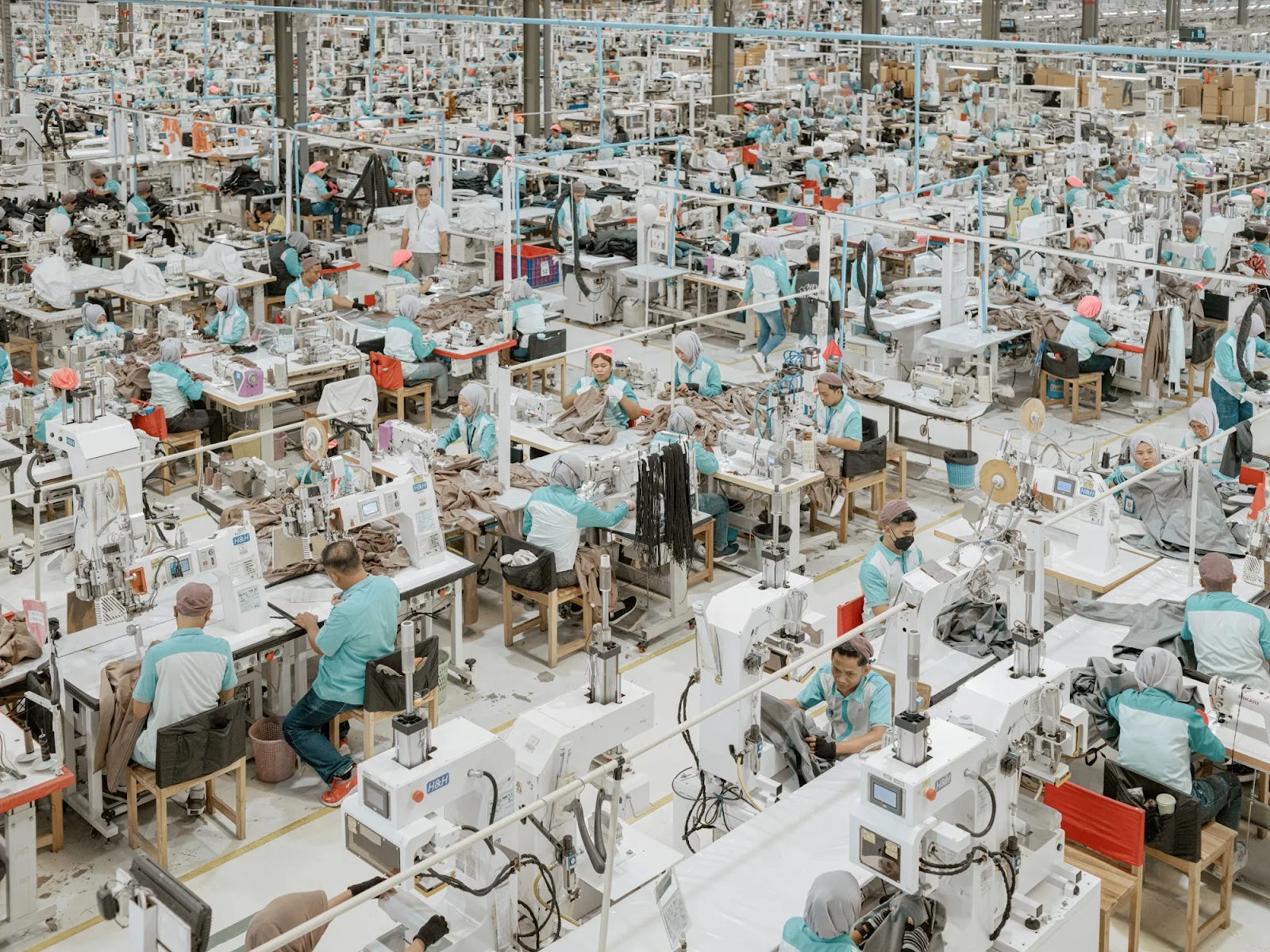
President Donald Trump’s new wave of tariffs on imported apparel and footwear threatens to significantly drive up prices for American consumers, as the US relies on imports for 97% of its clothing and shoes, with over half coming from China, Vietnam, and Bangladesh. The baseline 10% tariff on Southeast Asian countries, combined with a staggering 145% tax on Chinese imports, is expected to make clothes and shoes much more expensive, with Yale University’s Budget Lab estimating that US consumers could pay 87% more for shoes and 65% more for apparel over the next three years. Major brands like Nike, Adidas, and Lululemon, which source heavily from these targeted countries, will be directly affected, likely passing increased costs onto shoppers. The end of the “de minimis” tariff loophole for packages from China and Hong Kong will further squeeze discount retailers like Shein and Temu, ending the era of ultra-cheap online fashion. While companies have tried to diversify their supply chains to avoid tariffs, the sheer scale of US imports from Asia means that Americans are poised to feel the pinch in their wallets for years to come.
Health — Electrolytes, Do You Really Need Them?
Recent research indicates that electrolytes are likely overrated for most people engaging in typical exercise routines, as the majority of athletes and recreational runners do not work out long enough to require special electrolyte replacement; unless you’re exercising for more than four hours at a time, your body’s natural sodium and electrolyte stores, along with a regular diet, are usually sufficient to maintain balance. While sports drinks and electrolyte supplements are heavily marketed and widely used, especially in Canada, evidence shows that muscle cramps are not directly caused by sodium loss through sweat, and the need for electrolyte replacement is only relevant for ultra-endurance athletes or those with exceptionally high sweat sodium concentrations. For the average person, the hype around electrolyte drinks is more a product of marketing than science, and most people can safely rely on their regular meals to replenish any electrolytes lost during typical workouts.
Song Rec — Love (70s Remix)
Quote of the Day
"In order to be irreplaceable, one must always be different." - Coco Chanel.