

World Events — The Wrong Signal From the Trump Administration

The Atlantic
The Trump administration's careless handling of classified information was exposed when Jeffrey Goldberg, editor-in-chief of The Atlantic, was accidentally added to a top-secret Signal chat group discussing military plans. National Security Advisor Mike Waltz inadvertently included Goldberg in a conversation that involved high-ranking officials such as Vice President J.D. Vance, Defense Secretary Pete Hegseth, and other cabinet members. The group discussed sensitive details about upcoming strikes in Yemen, including targets, weapons, and attack sequencing.
This incident has raised serious concerns about operational security and the administration's use of non-government-sanctioned messaging apps for classified communications. The leak not only revealed the administration's lax approach to handling sensitive information but also exposed their contempt for European allies. Officials in the chat group expressed disdain for "European free-loading" and discussed extracting economic gains from allies in exchange for US military action. The incident has prompted calls for investigations from both Democrats and Republicans, with many expressing alarm at the potential national security implications of such a breach.
To read the original Atlantic reporting: https://www.theatlantic.com/politics/archive/2025/03/trump-administration-accidentally-texted-me-its-war-plans/682151/
Tech - Meet Zoe, Your Personal Nutritionist App
The Economists
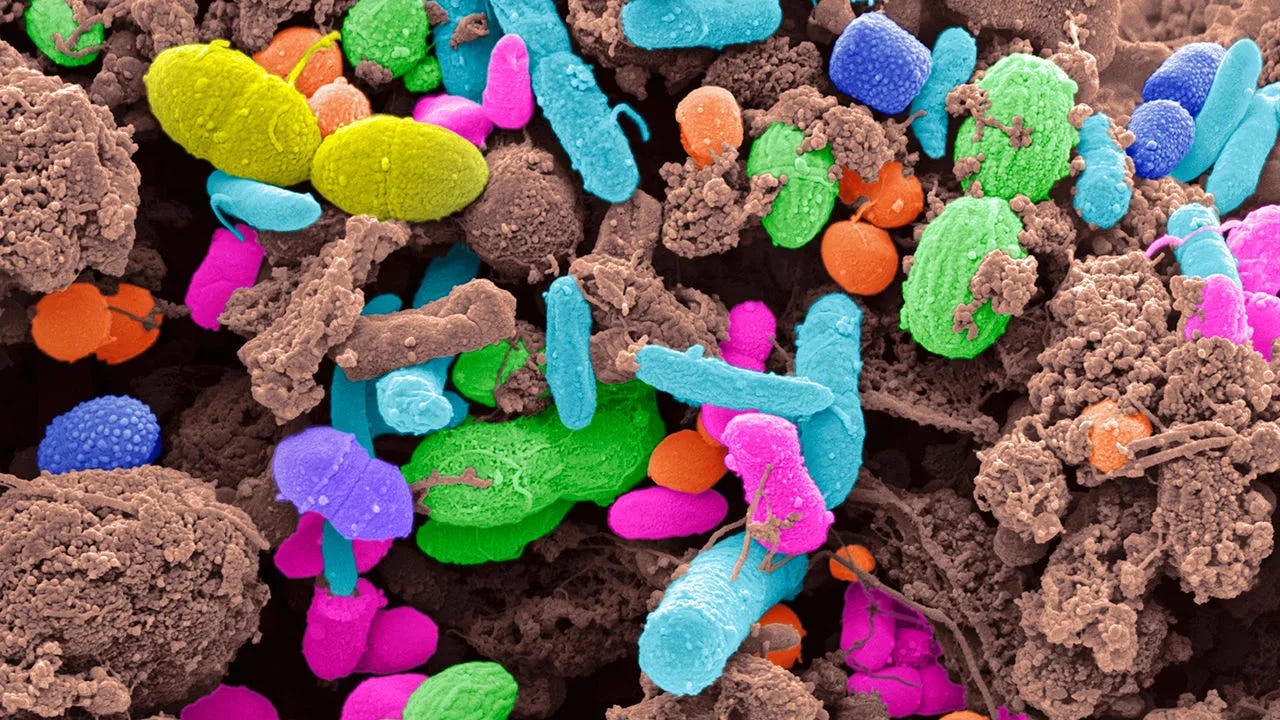
ZOE, a British personal-nutrition app, has rapidly gained traction by focusing on gut health and personalized dietary advice, leveraging AI and microbiome testing to tailor recommendations. The app, co-founded by epidemiologist Tim Spector, has attracted hundreds of thousands of users despite its high cost (£300 joining fee plus £25 monthly). Its popularity is bolstered by a podcast with 2.5 million monthly listeners and endorsements from social media influencers. ZOE claims benefits like improved energy, sleep, and mood, supported by studies showing users feel better and experience health improvements. However, critics question the scientific rigor behind these claims, citing issues like lack of proper control groups and potential placebo effects. While some experts argue that ZOE’s personalized approach may not outperform general healthy-eating advice, others acknowledge its role in raising awareness about nutrition. Despite high user churn and ongoing profitability challenges, ZOE is poised for further growth as interest in gut health and personalized nutrition continues to rise.
Trade - Trump’s Looming Auto Tariff
President Donald Trump announced plans to impose tariffs on automobile imports in the coming days, with broader "reciprocal tariffs" set to roll out on April 2. These reciprocal duties will vary by country, aligning with the trade barriers imposed on U.S. goods, and Trump hinted at possible exemptions for certain nations. He also proposed a 25% secondary tariff on countries purchasing Venezuelan oil, escalating tensions in global trade. Additionally, Trump signaled future tariffs targeting pharmaceuticals, lumber, and semiconductors, though details remain unclear. While his protectionist measures aim to reduce the U.S. trade deficit and bolster domestic industries, they have sparked uncertainty among investors and trading partners, with nations scrambling to negotiate exemptions ahead of the April deadline.
Health - Your Diet For Marathon Training

Maintaining a healthy diet leading up to a marathon requires careful planning and attention to nutritional needs. Marathon runners should focus on consuming adequate calories to support their increased activity levels, with estimates ranging from 2,000 to 7,000 calories per day depending on body weight and training intensity. The diet should be well-balanced, emphasizing nutrient-dense foods such as whole grains, fruits, vegetables, lean proteins, and healthy fats. Carbohydrates should make up 60-70% of daily calories, as they are the body's preferred fuel source for endurance activities. Protein intake should be around 1.4-1.8 grams per kilogram of body weight daily, spread throughout the day to support muscle recovery and injury prevention. Fats should comprise about 20-30% of total calories. Runners should also focus on proper meal timing, eating a full meal 3-4 hours before running and consuming a small snack 1-2 hours prior to workouts. Post-run nutrition is crucial, with experts recommending a meal high in protein and carbohydrates within 45 minutes of finishing a run to aid recovery. As the marathon approaches, runners should practice their race-day nutrition strategy during training to avoid any surprises on the big day.
Eggfection - 45 Egg Recipes to Perfect Cooking Eggs

Bon Appetite
Song Rec - London Boy (Taylor Swift)
Quote of the Day
"Sometimes you never realize the value of a moment until it becomes a memory" -Dr. Seuss