

America’s Gambling Boom Should Be Celebrated, Not Feared

The Economists
A betting craze is sweeping across America, with Americans projected to wager nearly $150 billion on sports this year, a significant increase from the $7 billion bet in 2018. This surge is fueled by the legalization of sports betting in 38 states, the rise of always-available betting apps, and a booming economy. The gambling industry has seen a transformation, with online platforms like FanDuel, owned by Flutter, surpassing the market capitalization of traditional casino giants like Las Vegas Sands. The impact extends beyond financials, influencing sports culture by invigorating fans and enhancing broadcasting experiences, as evidenced by ESPN's launch of its own betting app.
The expansion of gambling in America reflects a broader shift towards liberalization, catching up with countries where sports betting has long been legal. This change is driven by court rulings that have allowed states to legalize and regulate gambling, seeking new revenue streams. However, the boom also raises concerns about gambling addiction, particularly among the poor, although the new forms of gambling are less regressive, attracting a demographic of relatively well-off young men. While there are valid worries about the potential harms of gambling, the industry's growth is seen as an expansion of personal freedom, allowing individuals to spend their money as they choose. The key is not to ban gambling but to regulate its harms effectively, learning from other countries' experiences.
The Killing of United Health’s CEO Sends Shockwaves

CNBC
The assassination of UnitedHealthcare CEO Brian Thompson in New York City has sent shockwaves through the corporate world, prompting a reevaluation of executive security measures. Thompson was killed while walking unaccompanied to an investor event, an act that has now become a focal point for discussions on the safety of corporate leaders. Security experts and companies are now grappling with the realization that threats against executives are escalating, fueled by social media and a polarized political climate. The incident has led to immediate reactions from other health-care companies, with some removing executive photos from websites and others opting for virtual meetings to mitigate risks.
The absence of a security detail for Thompson, despite known threats, has raised questions about the adequacy of current security protocols for high-profile executives. Security professionals argue that had Thompson been protected, several preventive measures could have been in place, potentially altering the outcome. This event has sparked a broader conversation about the necessity of comprehensive security programs for executives, with companies now seeking to enhance protection measures. The incident underscores the need for a more proactive approach to executive protection, moving beyond traditional security measures to include risk intelligence and assessment, highlighting that security is not just about physical barriers but also about understanding and mitigating threats in a timely manner.
Meta Pops On Potential TikTok Ban in the US
CNBC
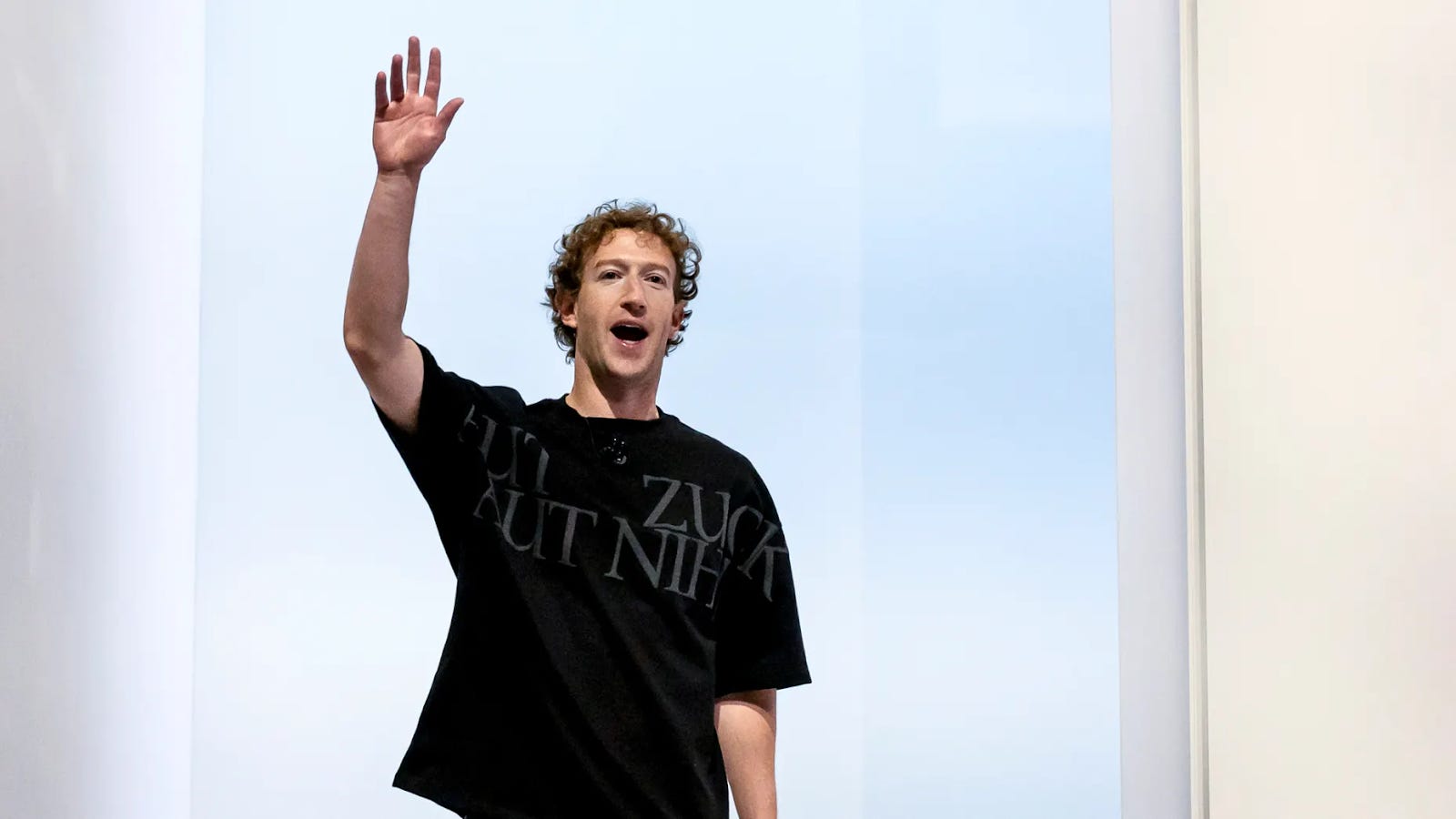
Meta shares surged on Friday, closing at a record high after a federal appeals court upheld a law that could lead to a U.S. ban on TikTok unless its parent company, ByteDance, divests the app. The court's decision rejected TikTok's argument that the law infringes on First Amendment rights, prompting TikTok to plan an appeal to the U.S. Supreme Court. Meta, which has seen its stock rise by 77% this year following a near tripling in 2023, benefits from the potential ban as TikTok is a significant competitor, particularly among younger audiences. The company's market capitalization is now close to $1.6 trillion, reflecting its strong performance and strategic moves towards efficiency and AI development.
The broader tech sector also saw gains, with Amazon closing at an all-time high and the Nasdaq Composite reaching a record. Meta's CEO, Mark Zuckerberg, has been actively engaging with political figures, including a recent dinner with President-elect Donald Trump, indicating an effort to work with the incoming administration. Meta's focus on AI and infrastructure development, including significant investments in Nvidia GPUs and data centers, underscores its commitment to future growth. Despite a modest 5% year-over-year increase in daily active users, Meta's revenue grew by 19% in the third quarter, although it warned of rising infrastructure costs in 2025. The company's AI technology, Meta AI, now boasts nearly 600 million monthly active users, showcasing its expanding influence in the tech landscape.
Enjoy your weekend