

World Events — A Superpower Crunch Looms in Taiwan
The Economists
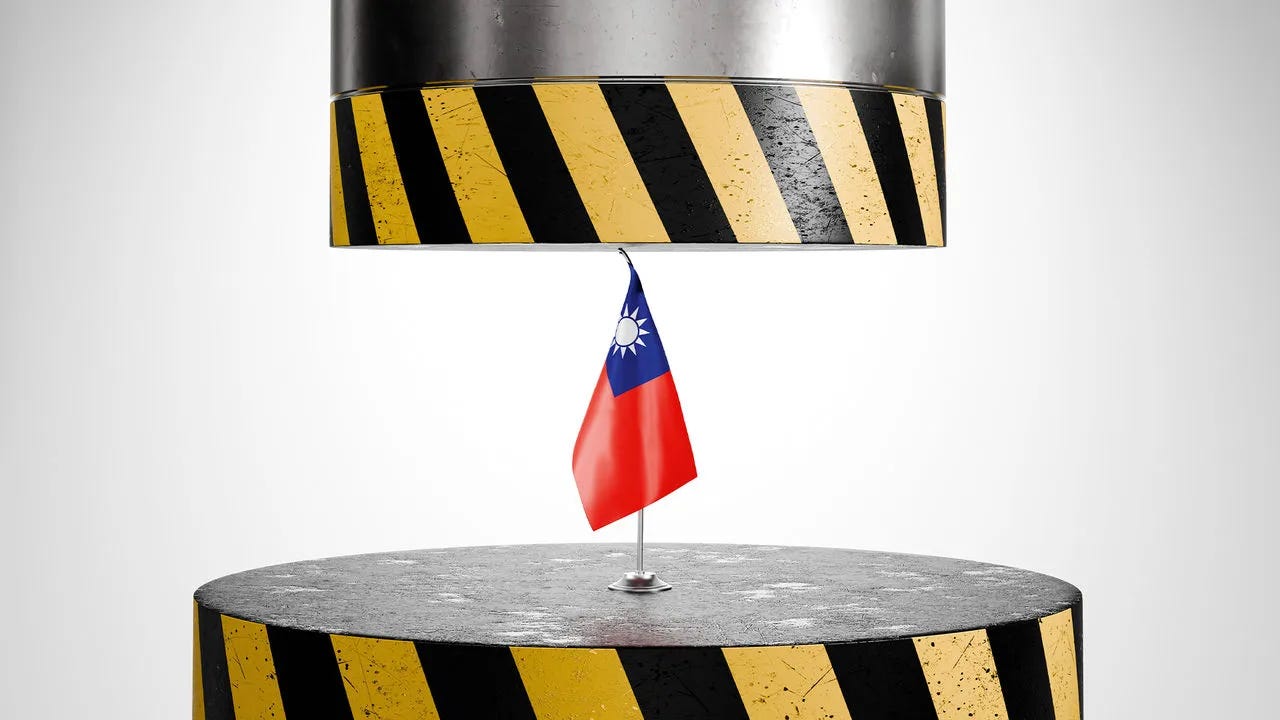
A superpower showdown over Taiwan is fast approaching, with relations between America and China at their lowest point in decades. Both nations have imposed tariffs exceeding 100%, severing much of their bilateral trade, while racing to dominate critical 21st-century technologies like artificial intelligence. Against this backdrop, China’s military buildup and increasingly aggressive posture in the Taiwan Strait-including large-scale war games such as “Strait Thunder 2025”-have raised fears that Beijing may soon test America’s resolve with a move against the island. Taiwan’s military and intelligence assessments warn that China could be ready for a full-scale invasion as early as 2025, with 2027 also marked as a potential flashpoint, coinciding with the centennial of the People’s Liberation Army. Meanwhile, American deterrence is being undermined by the Trump administration’s trade war, which has left allies wary and Taiwan vulnerable. China is exploring “grey-zone” tactics-such as temporary blockades and inspections of ships in Taiwanese waters-to erode Taiwan’s sovereignty and sow doubt about America’s willingness to intervene. The resulting uncertainty, combined with political gridlock in Taiwan and America’s wavering commitment, risks tipping the balance in Beijing’s favor, potentially leading to the island’s absorption by China without a shot being fired-a scenario that would upend regional stability, imperil global chip supplies, and force a dramatic rethinking of American power in the Pacific.
Tech — Apple’s Supply Chain Shift
Bloomberg
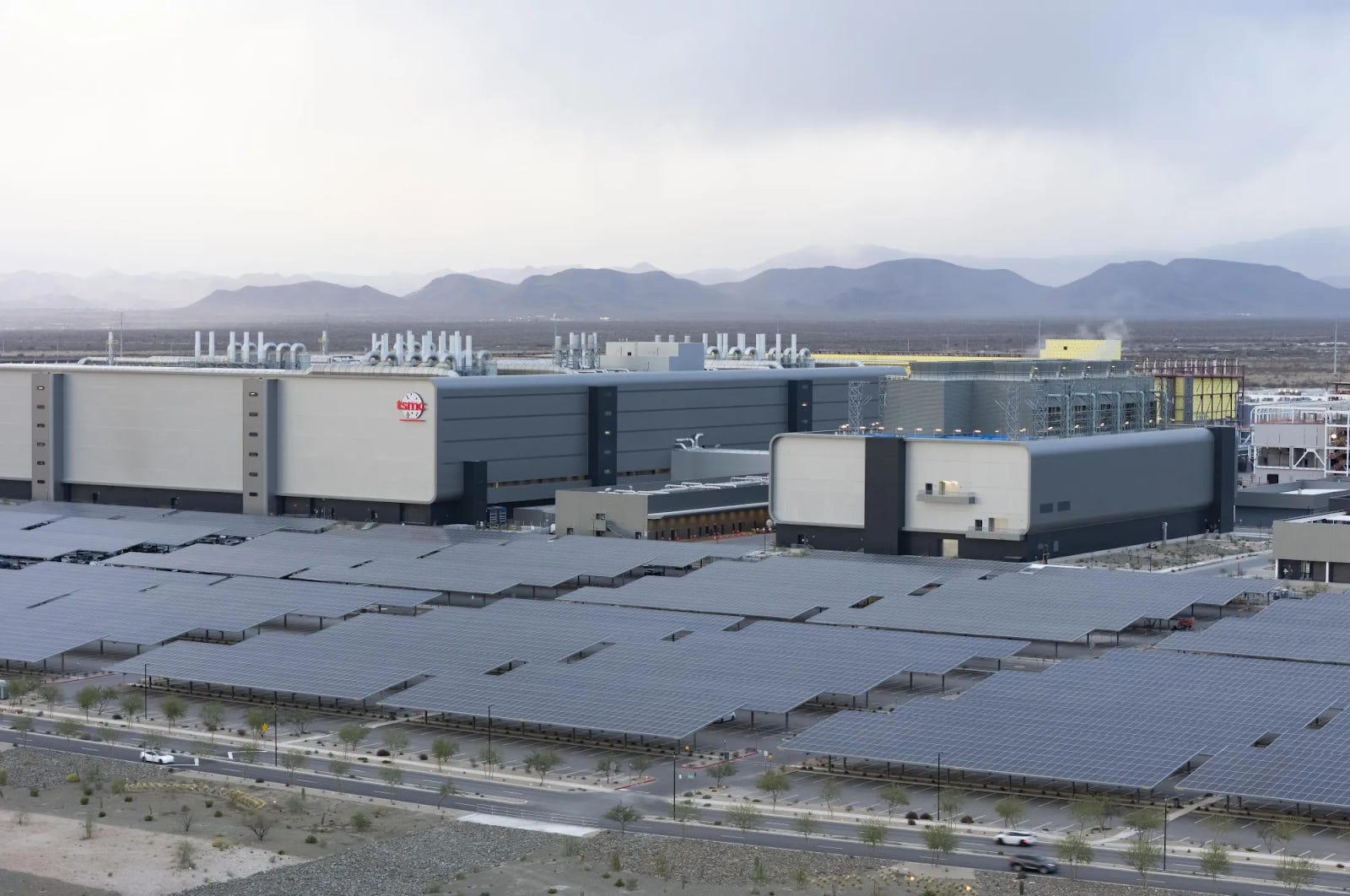
Apple is rapidly diversifying its global supply chain, announcing plans to source more than 19 billion chips from the US this year, with tens of millions of advanced processors coming from Taiwan Semiconductor Manufacturing Company’s new Arizona facility as part of a broader push to reduce reliance on China and bolster domestic manufacturing. This shift is being accelerated by the Trump administration’s tariffs on Chinese goods and threats of further levies, prompting Apple to also ramp up iPhone production in India, where it expects to manufacture most US-bound iPhones by the end of 2026. While Apple’s CEO Tim Cook has committed to increasing US chip procurement and highlighted investments in American innovation-including a $500 billion US spending pledge over four years-the company remains cautious about the impact of ongoing trade tensions and tariff uncertainty, especially as China sales continue to decline and the global supply chain remains complex and vulnerable.
Business — Don’t Blame the Negative GDP Print on Import

The Economists
Don’t blame imports for the fall in America’s GDP-despite the common narrative that trade deficits hurt growth, the reality is more nuanced. The U.S. economy shrank at a 0.3% annualized pace in the first quarter of 2025, with the Bureau of Economic Analysis attributing the contraction primarily to a surge in imports, which are subtracted in GDP calculations not because they harm output, but because they represent goods produced abroad rather than domestically. The confusion stems from the way GDP is measured: imports are deducted from total spending to isolate domestic production, but the front-loading of imports ahead of tariffs can boost both consumption and business inventories, which should roughly offset the negative impact on GDP. In fact, the recent spike in inventories added 2.25 percentage points to growth, the most since 2021, suggesting that measurement issues-such as the difficulty of tracking last-minute inventory and consumption changes compared to customs-cleared imports-may be distorting the headline figure. Any short-term dip in GDP from Americans shifting spending toward imports could be temporary, with a rebound possible if spending returns to domestic goods, but the immediate effect is more about accounting quirks than a fundamental economic drag.
Health — Dos and Don’ts of Skin Hydration
Healthy skin depends on both hydration and moisture: hydration refers to increasing the water content inside your skin cells, making them plump and supple, while moisture involves sealing that water in with a protective barrier to prevent evaporation. To keep your skin hydrated, do drink plenty of water, use gentle cleansers, limit hot showers, and apply products with humectants (like hyaluronic acid or glycerin) that draw water into the skin. Don’t use harsh soaps, take long or very hot baths, or over-exfoliate, as these strip away natural oils and weaken your skin’s lipid barrier, making it harder to retain moisture. If your skin is still dry or flaky, use a moisturizer with occlusives (such as beeswax or oils) to lock in hydration, and look for products with emollients or ceramides to repair the skin barrier. Remember, both hydration and moisturization work together for resilient, healthy skin-so choose products and routines that address both needs.
Song Rec — Love Somebody (Morgan Wallen)
Quote of the Day
"Learning’s a gift, even when pain is your teacher." - Michael Jordan