

Netflix just made the biggest power move in media history. The company is acquiring Warner Bros. Discovery for $82.7 billion, bringing HBO, HBO Max, and an entire universe of iconic intellectual property under one roof. But this isn’t just about adding Harry Potter to your Netflix queue—it’s about the final form of an industry that’s been tearing itself apart for the last decade.
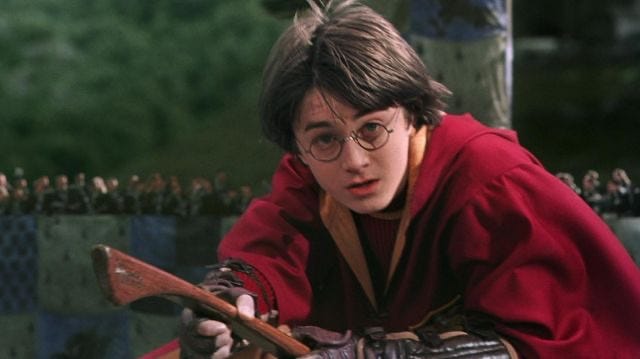
Picture Warner Bros. as the most eligible bachelor in Hollywood. Everyone wanted them.
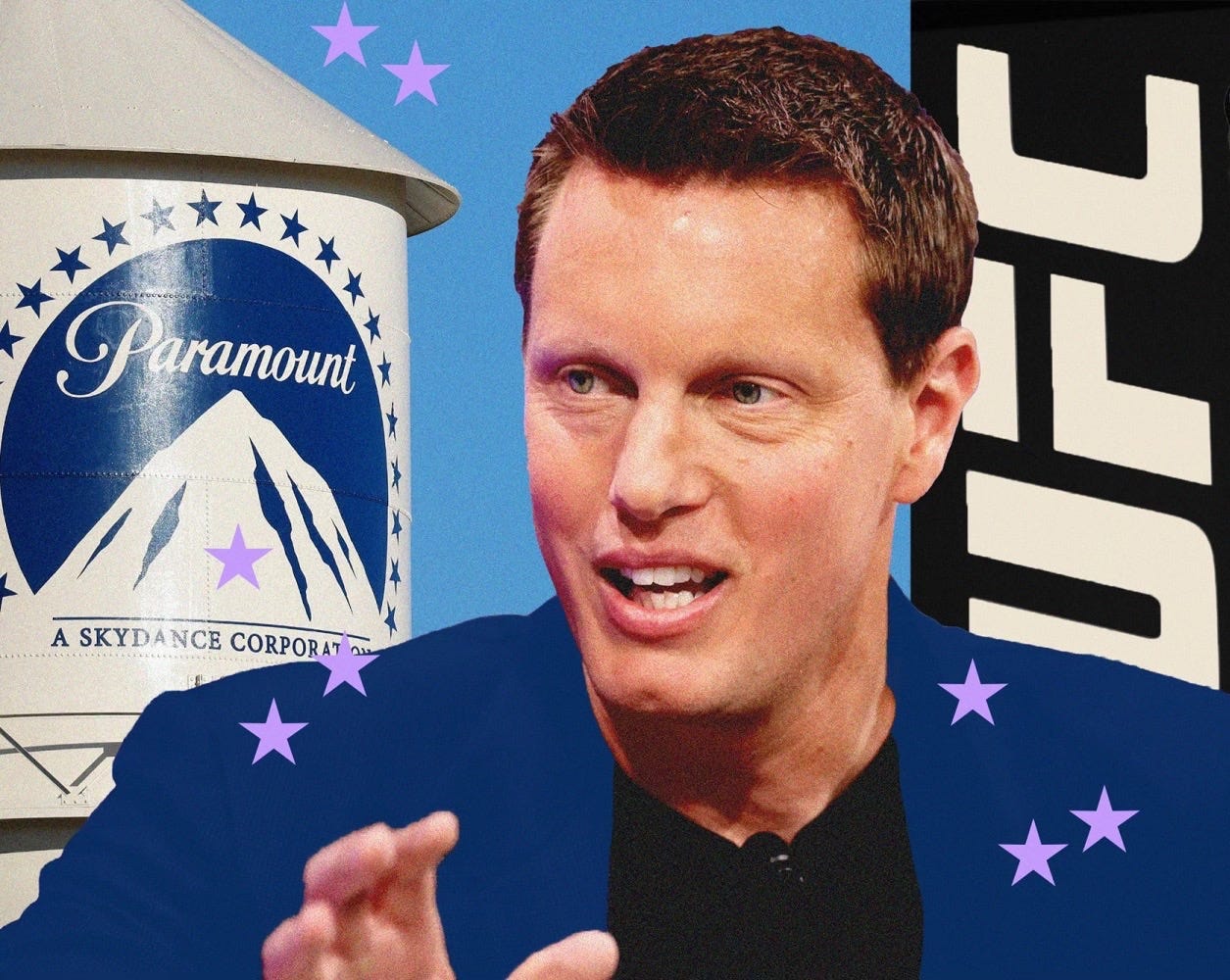
First in line was Paramount Skydance, run by David Ellison—yes, the son of Oracle billionaire Larry Ellison. David’s vision was simple: merge Paramount with Warner Bros., add streaming platforms and sports rights to the NFL, UFC, and NBA, and create a media empire big enough to compete with the tech giants. Get big or get left behind.
Then Netflix decided it wanted that future for itself. The streaming giant outbid everyone—Paramount, Comcast, you name it—offering $82.7 billion, mostly in cash with some Netflix stock thrown in. To afford this, Netflix borrowed $59 billion from banks like Wells Fargo. Think of it like taking out a massive loan to buy a house.
The deal should close within months, assuming regulators don’t block it.
There’s a reason every streaming company is scrambling to merge. The economics of streaming have fundamentally broken, and being medium-sized is basically a death sentence.
Let’s start with you, the viewer. Remember when streaming was supposed to save you money? By 2025, if you want to watch everything you care about, you’re paying for Disney+, Netflix, HBO Max, Hulu, Paramount+, Apple TV+, maybe Peacock. You’re dropping $60 to $80 a month—literally what cable cost—except now you have to switch between seven different apps.
Subscription fatigue is real. If Netflix can bundle Warner Bros.’ entire catalog—Game of Thrones, Harry Potter, DC superheroes, every HBO prestige drama ever made—they’re offering something nobody else can: everything in one place. That’s not convenience. That’s power.
But here’s what really matters: making good TV is now insanely expensive. Stranger Things Season 4 cost $30 million per episode. House of the Dragon cost $20 million per episode. Back in 2017, a top-tier drama might cost $5 to $7 million per hour. Today? $10 to $20 million is standard.
Why? Because audiences are ruthless. If your CGI looks slightly cheap, people will roast you on social media before the episode ends. The bar for “good enough” has skyrocketed.
This is why Netflix stopped licensing content in 2013 and started making its own shows. Originally, Netflix paid studios to license their content. But then Disney pulled Marvel and Pixar for Disney+. Licensing fees exploded. Netflix realized the only way to survive was to own its content outright. Today, about 50% of Netflix’s library is stuff they made, giving them way better profit margins.
By buying Warner Bros., Netflix is acquiring one of the only studios that can produce blockbuster content at this scale.
To understand what this means, let’s imagine we sat down with Netflix’s co-CEO:
So, $82.7 billion. How are you even paying for this?
“We borrowed most of it—$59 billion—from major banks. It’s a bridge loan, basically short-term debt with higher interest that we’ll replace with cheaper financing within a year. Like using a credit card for a huge purchase because your paycheck is coming.”
Isn’t taking on that much debt risky?
“It’s elevated, no question. After this deal, we’ll be carrying about four times our annual earnings in debt. But we’re planning to pay it down fast—within two years we expect to get back to healthier levels using our cash flow. We didn’t overpay. We’re paying roughly what Disney paid for Fox.”
You’re paying some with Netflix stock. What does that mean for shareholders?
“We’re issuing about 11 million new shares worth $9.3 billion. That dilutes existing shareholders by 4%. Initially, earnings per share drop by about 11%. But we’re expecting to save $2 to $3 billion per year by combining operations. By 2027, instead of diluting earnings, this deal actually boosts them by 3% to 5%.”
What about HBO? Are you just absorbing it into Netflix?
“No. HBO has real brand equity—people associate it with prestige. HBO Max has 127 million subscribers paying premium prices. If we kill the HBO brand, we risk losing what makes it valuable. So initially, HBO stays separate. We’re positioning it as a premium tier. Over time, we might offer bundles or tiered pricing.”
What about Warner Bros. movies? Still releasing in theaters?
“Yes, at least initially. But longer-term, we’re thinking bigger. Warner Bros. owns Harry Potter, DC Comics, Looney Tunes. We want to expand into gaming, merchandise, theme parks, live events. Take what people love on screen and bring it into the real world.”
Are you going to raise prices after this goes through?
“Look, even after our recent price adjustments, we’re still priced competitively—actually below most premium competitors when you consider what you’re getting. HBO Max charges more for less content. So does Disney+ if you want ad-free. We’re focused on delivering value.”
End of the interview
There’s one massive wildcard: the government. The Department of Justice has to approve this deal, and there’s a real chance they’ll push back. Critics will argue Netflix is already too dominant, and adding Warner Bros. gives them too much control.
But Netflix’s counterargument is simple: the streaming market is crowded. Disney+, Amazon Prime Video, Apple TV+, Paramount+, Peacock, Hulu—there are at least a dozen major players, some with nearly unlimited money. How is this a monopoly?
Most analysts think the deal will go through, but expect one to two years of regulatory review. It’ll be messy, but it’ll probably happen.
What This Means for You?
In the short term, this is probably good news. More content for about the same price. That’s a win.
But when competition shrinks, companies raise prices. Netflix has already increased costs multiple times. This acquisition gives them even more leverage. Where else are you going to go?
There’s also a cultural dimension. When a few companies control most entertainment, they control the stories being told. What gets greenlit? What voices get amplified? The risk of homogenization is real. Algorithmic recommendation engines optimize for engagement, not diversity. When profit is the primary driver, safe bets win over creative risks.
That said, it’s not all doom and gloom. Netflix has produced genuinely groundbreaking content—Squid Game, Stranger Things. Warner Bros. brings decades of iconic storytelling. If they can merge Silicon Valley’s tech with Hollywood’s creative legacy, the results could be incredible.
-AL