

The Economists
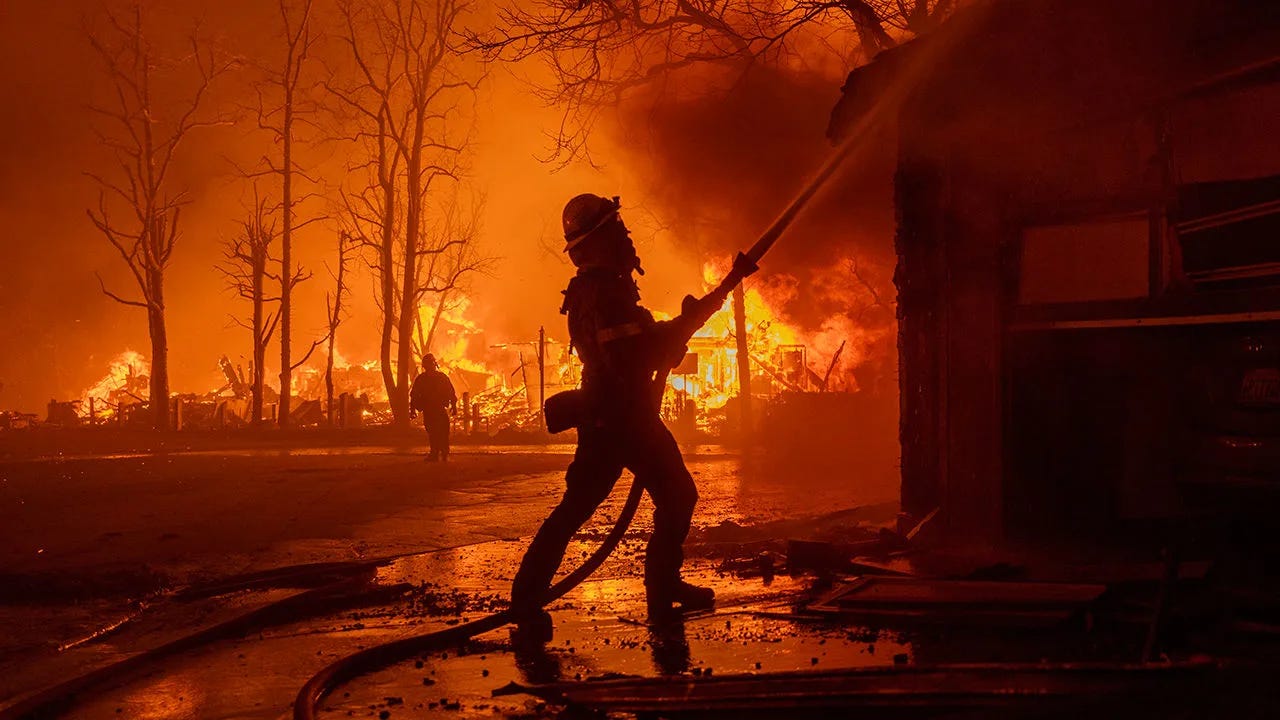
The recent Los Angeles wildfires have caused unprecedented devastation, claiming at least 25 lives and destroying over 12,000 buildings as of January 16th. With damage estimates exceeding $50 billion according to JPMorgan Chase, these fires are set to become the costliest in American history. While Los Angeles has always faced natural risks due to its location, climate change has exacerbated these dangers, with weather "whiplash" – a pattern of heavy rain followed by severe drought – creating perfect conditions for the fires to spread rapidly on Santa Ana winds.
The city's vulnerability to wildfires has been amplified by various political and regulatory failures. Despite strict fire-resistance requirements for new construction, most of LA's housing stock predates modern building codes. NIMBY attitudes and complex environmental regulations have hindered both new development and essential fire prevention measures like controlled burns. Additionally, California's insurance regulations, only recently reformed, have historically prevented insurers from adjusting premiums to reflect climate-related risks, removing crucial incentives for homeowners to make their properties safer.
The situation calls for urgent action to reduce future disaster damage, but political obstacles remain significant. A 1978 ballot initiative limiting property tax increases has restricted cities' ability to fund essential services like firefighting. While Governor Gavin Newsom has proposed a "Marshall plan" for rebuilding the city, the disaster highlights the need for comprehensive reform of regulations and insurance markets to promote more resilient construction and encourage development in safer areas. As natural disasters become more frequent globally, Los Angeles's tragedy offers important lessons for cities worldwide about the importance of proactive disaster preparedness and appropriate regulatory frameworks.
Sunday Mornings