

World News — China’s Charm Offensive In India’s Backyard
FT
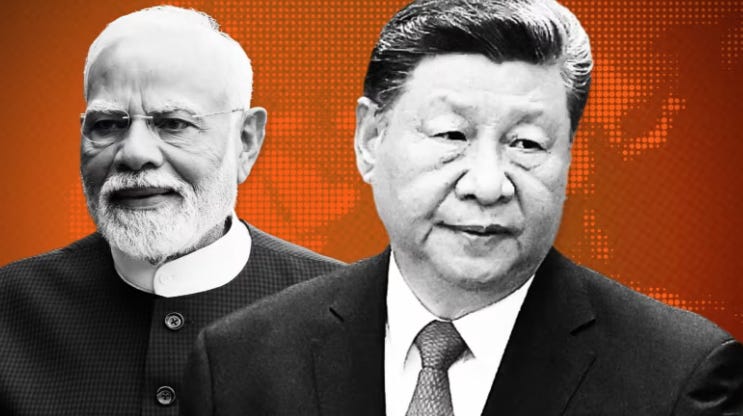
Beijing has been stepping up its diplomatic and economic outreach to India’s neighbouring countries, including Bangladesh, Pakistan, Nepal, and Sri Lanka, in an effort to expand its influence across South Asia and the Indian Ocean. Since the fall of India-aligned leader Sheikh Hasina in Bangladesh, China has deepened its engagement with political elites and opposition figures alike, promoting investment, infrastructure development, and defence ties under the Belt and Road Initiative. These moves have raised concerns in New Delhi about strategic encirclement and a potential shift in regional alignments, exposing India’s growing vulnerabilities in its immediate sphere of influence. Although Beijing portrays its approach as fostering “a community with a shared future,” its charm offensive ultimately highlights the intensifying rivalry between the two Asian powers, as India struggles to keep pace with China’s expanding economic, diplomatic, and military reach.
Tech — Fear of a Trillion Dollar AI Bubble
Bloomberg
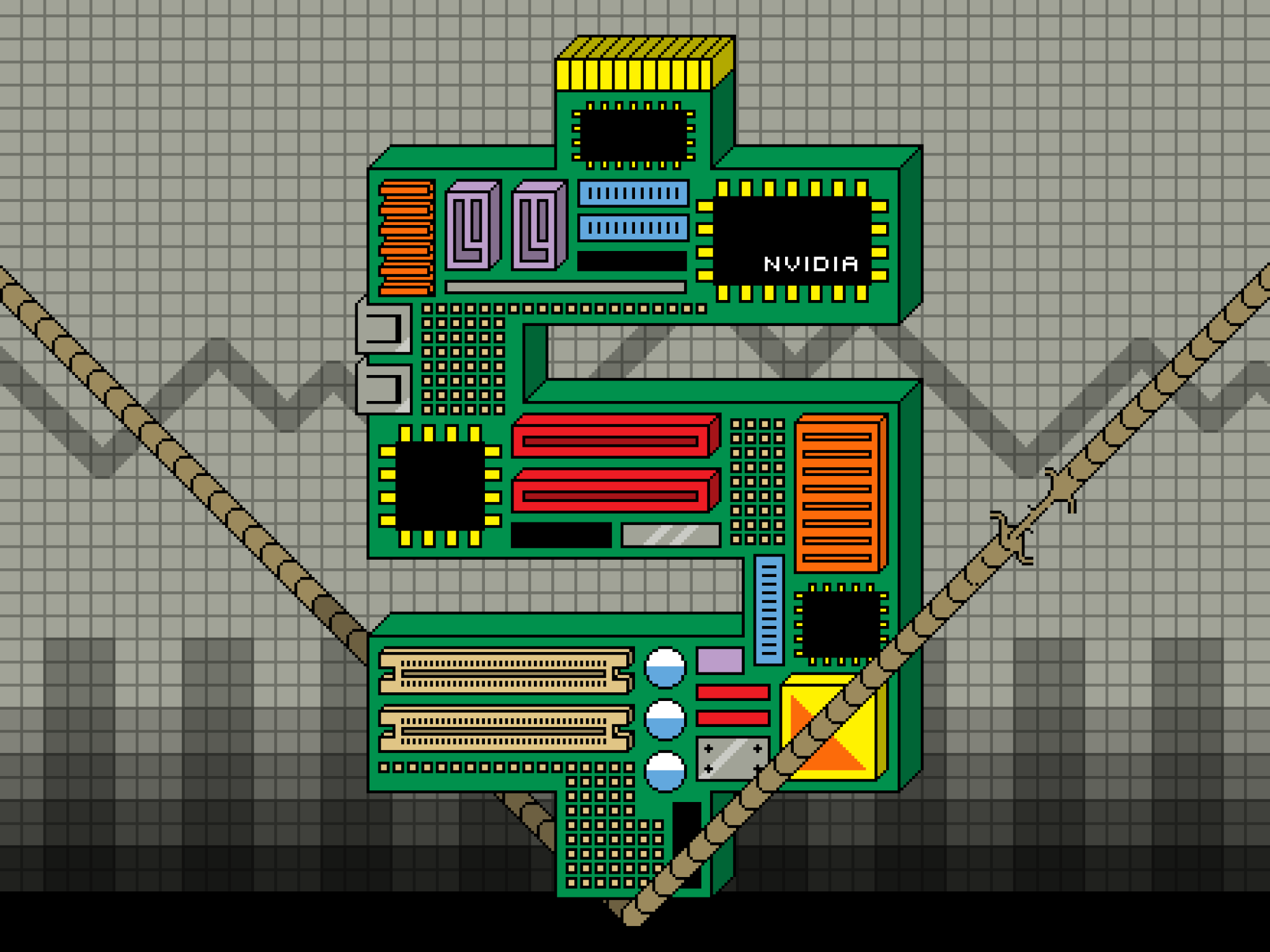
Fears of a trillion-dollar AI bubble are mounting as investors and tech giants pour staggering sums into artificial intelligence infrastructure, echoing the speculative frenzy of the late 1990s dot-com boom. Companies such as OpenAI, Meta, Microsoft, and Nvidia are spending hundreds of billions—potentially trillions—on data centers, chips, and computing power in a race to dominate the future of AI, even as doubts linger about whether these investments can ever yield sufficient returns. Analysts warn that much of this capital is being funneled through risky or circular financing structures, with AI firms like OpenAI projected to lose over $100 billion by 2029. Meanwhile, studies from MIT, Harvard, and Stanford highlight poor productivity returns and “AI-generated workslop,” fueling skepticism about the technology’s real-world payoff. Yet industry leaders, including Sam Altman and Mark Zuckerberg, continue to defend the spending spree, arguing that underinvesting would be the far greater risk. The parallels to the dot-com era are increasingly apparent—soaring valuations, debt-fueled expansion, and a flood of speculative capital—though today’s AI leaders are far larger and more established than their 1990s counterparts. Still, as the pace of investment accelerates amid uncertain profits, many fear that the current boom could culminate in massive capital destruction before lasting innovation takes hold.
Economics — Japan’s New Government
Bloomberg
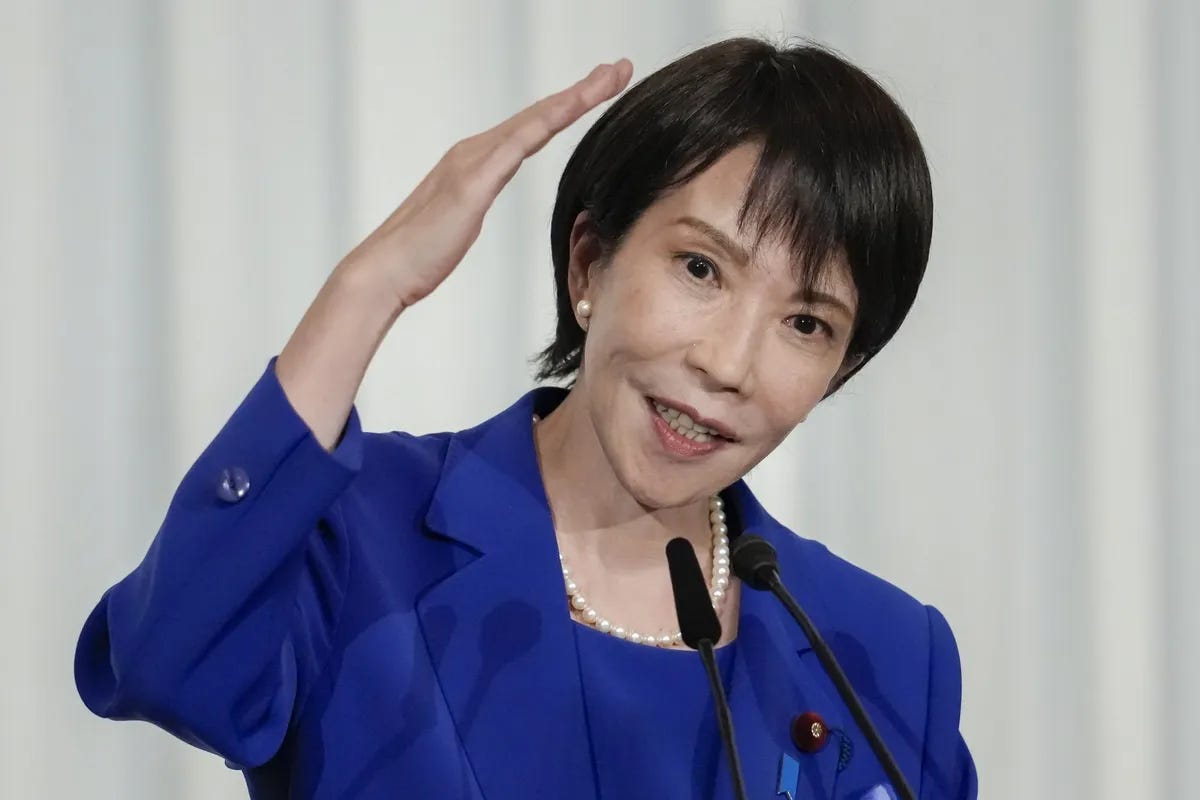
Sanae Takaichi’s election as leader of Japan’s ruling Liberal Democratic Party—and her expected appointment as prime minister—has sparked optimism among investors, with strategists predicting a boost for equities but downward pressure on the yen. Her pro-stimulus and inflation-friendly agenda, combined with a commitment to continued monetary easing, is expected to benefit defense, technology, infrastructure, and energy sectors, while possibly weighing on banks through lower yields. Analysts from Goldman Sachs, Citigroup, and Lombard Odier note that Japanese government bonds may see modest term premium increases as markets anticipate higher fiscal spending, though stocks have already priced in much of the positive momentum. Takaichi’s emphasis on economic security and structural reform could attract foreign investment and sustain long-term growth, but near-term upside in equities may be limited given record market valuations. Markets will closely watch her cabinet formation, policy direction, and early approval ratings as indicators of Japan’s economic and market trajectory under her leadership.
Culture — Sanae Takaichi, a Polarizing Figure
Economists
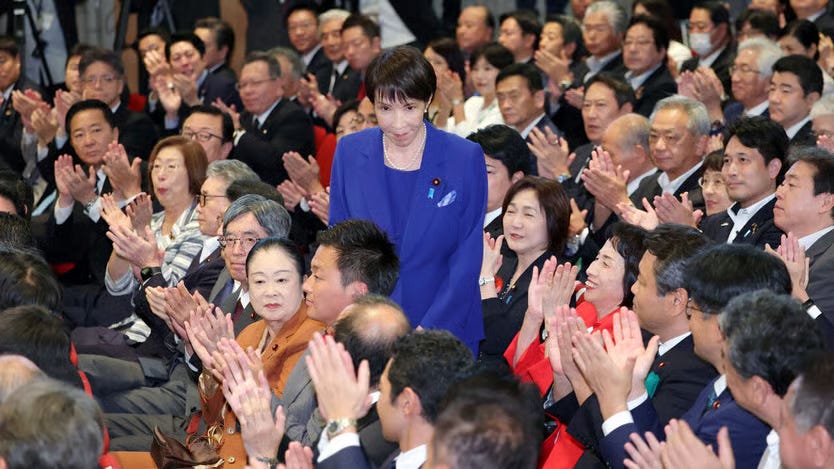
Sanae Takaichi’s election as leader of Japan’s ruling Liberal Democratic Party—the first woman to hold the post—positions her to become the country’s first female prime minister in a vote expected on October 15, ushering in a combative new era amid party crises, shifting US relations, and regional security turbulence. A staunch conservative and protégé of the late Abe Shinzo, Takaichi champions stronger military power, constitutional revision, and the expansionary fiscal and monetary policies of Abenomics, while opposing key gender equality reforms such as separate surnames for married couples or female imperial succession. Her nationalist stance, visits to the contentious Yasukuni Shrine, and revisionist wartime views could strain ties with South Korea and China, though she maintains that the US alliance is the cornerstone of Japan’s security. Domestically, she faces the challenge of leading a minority government with a weaker grip on the party, needing to broker delicate coalitions to pass legislation in an inflationary era, all while countering the rise of right-wing populists and risking division within the LDP itself. In her victory speech, she vowed to forgo work-life balance and dedicate herself fully to rebuilding the party and reviving the nation.
The Daily Spark
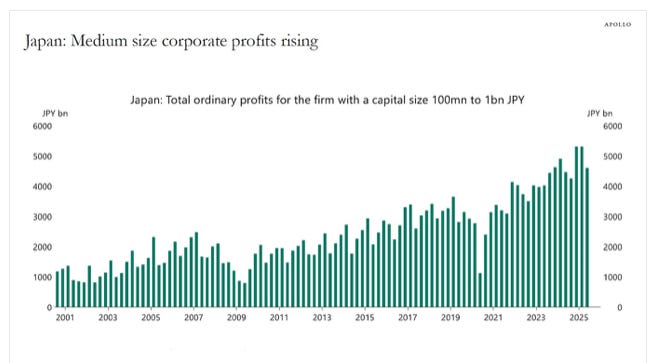
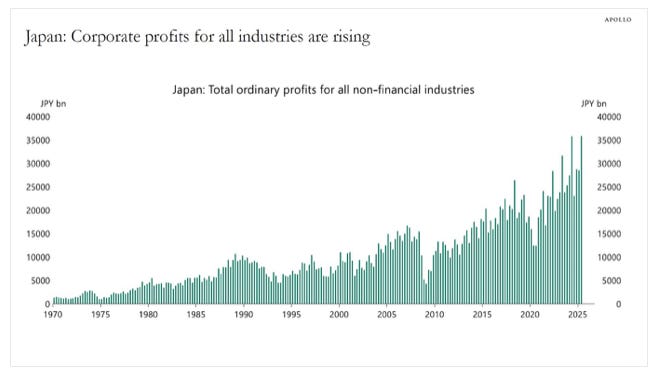
We are bullish on Japan. Corporate profits are trending higher, growth is expected to accelerate over the next 12 months and inflation is expected to decline from its current elevated levels.
Quote of the Day
“Play is the work of childhood.”
― Jean Piaget