

US — Reciprocal Tariff
The Economists
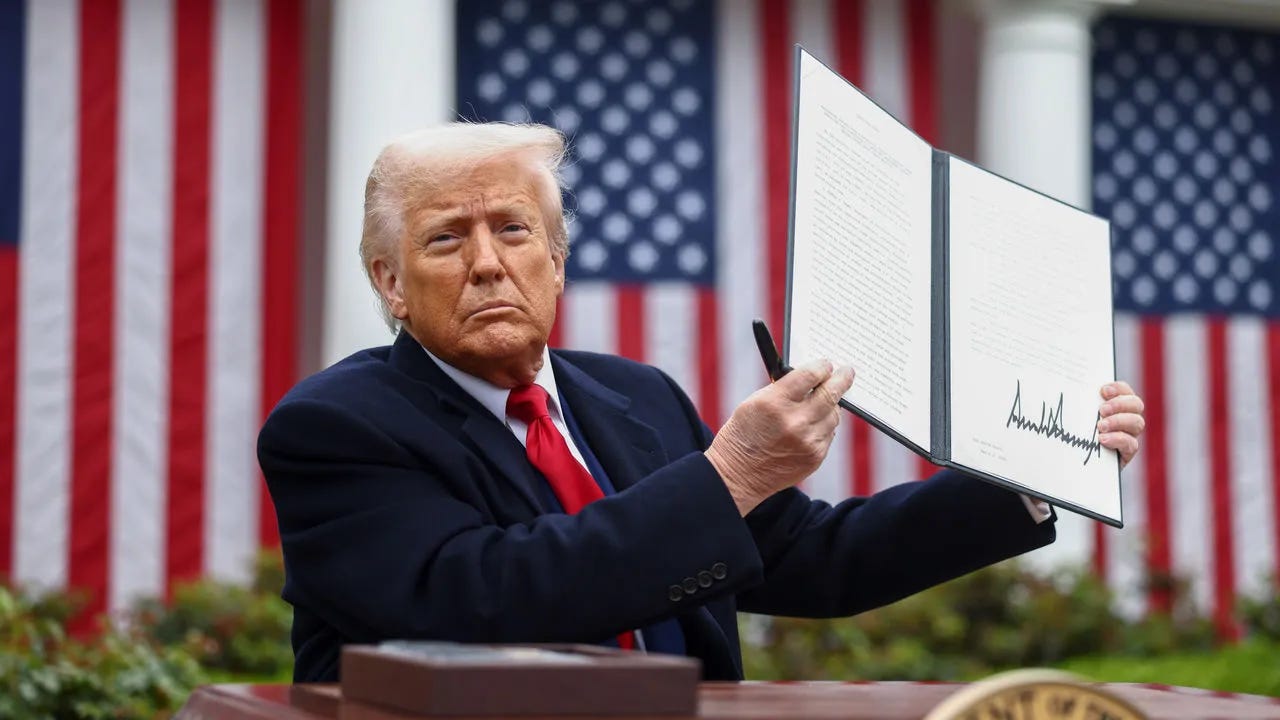
In a dramatic shift in U.S. trade policy, President Donald Trump announced sweeping tariffs on April 2nd, imposing a universal 10% levy on all imports and significantly higher “reciprocal” rates for countries with large trade surpluses, particularly targeting Asia. These measures mark a return to protectionist policies reminiscent of the late 19th century, with Trump framing the move as a “declaration of economic independence” aimed at revitalizing American manufacturing and countering perceived exploitation by foreign nations. While exemptions exist for certain sectors and trade partners under agreements like the USMCA, the broad scope of tariffs—raising America’s weighted-average import rate to nearly 29%—is expected to drive inflation above 4%, disrupt global markets, and potentially push the U.S. economy into recession. Despite widespread criticism and fears of economic fallout, Trump remains resolute, touting the tariffs as a pathway to prosperity and government revenue, even as his vision clashes with decades of globalization that have enriched America.
Tech Policy — Restructuring the Chips Act
Bloomberg
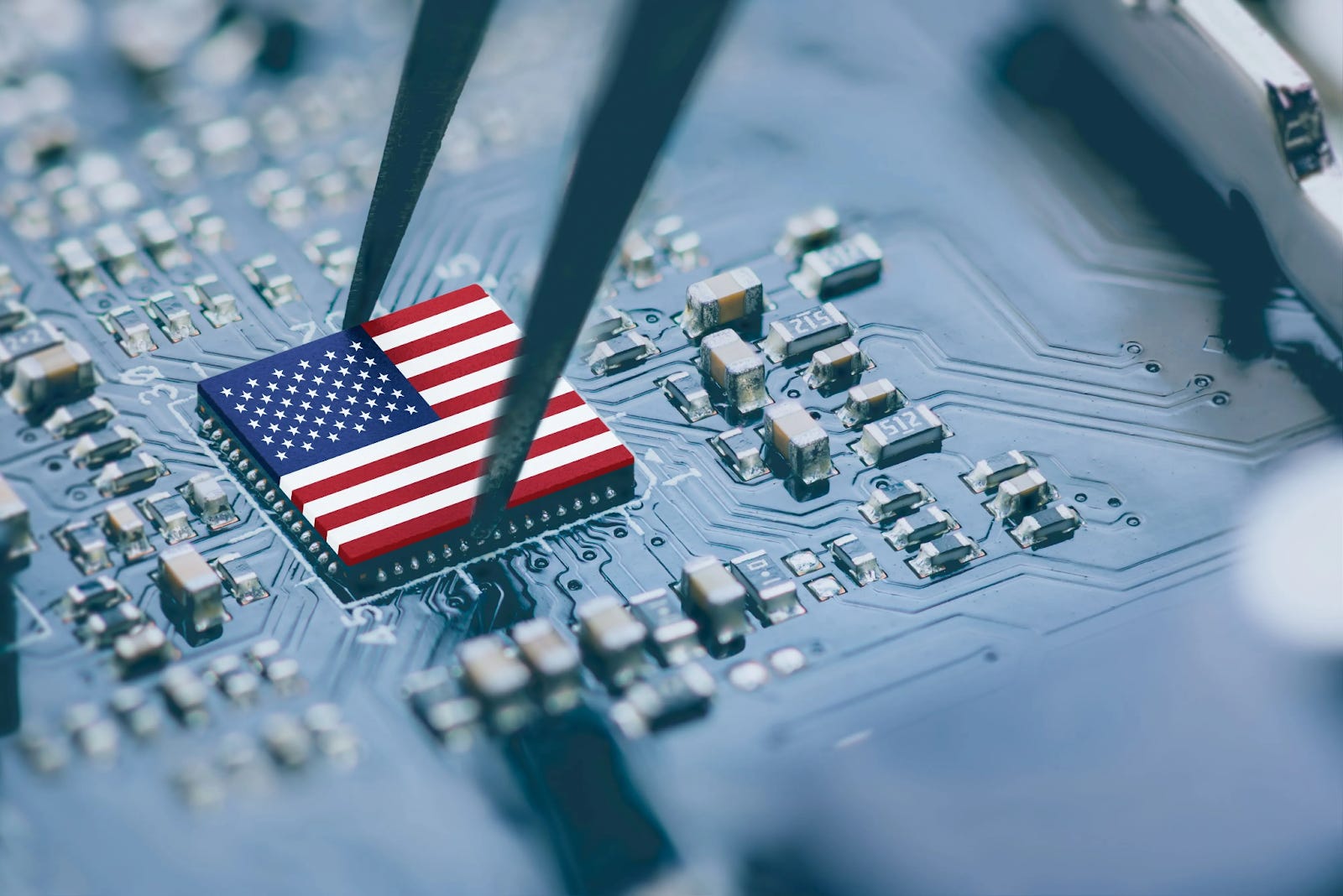
President Trump has set his sights on reshaping the Chips and Science Act, a landmark 2022 law designed to bolster the U.S. semiconductor industry with $52 billion in funding and tax credits. While he has criticized the act as wasteful, Trump’s administration appears more focused on rebranding and renegotiating its provisions rather than outright repealing it, given its bipartisan support and widespread investment commitments. Through an executive order, Trump established the United States Investment Accelerator to review existing agreements and push for “better deals,” while signaling potential increases to the act’s lucrative 25% tax credits for chip manufacturers. These moves align with his broader trade strategy of using tariffs and incentives to drive manufacturing back to U.S. shores, as evidenced by Taiwan Semiconductor Manufacturing Co.’s recent $100 billion investment announcement. However, critics warn that Trump’s approach could disrupt existing agreements and slow progress in an industry vital to national security and economic competitiveness.
Explainer Economics — The Rationale Behind the Tariff
Bloomberg
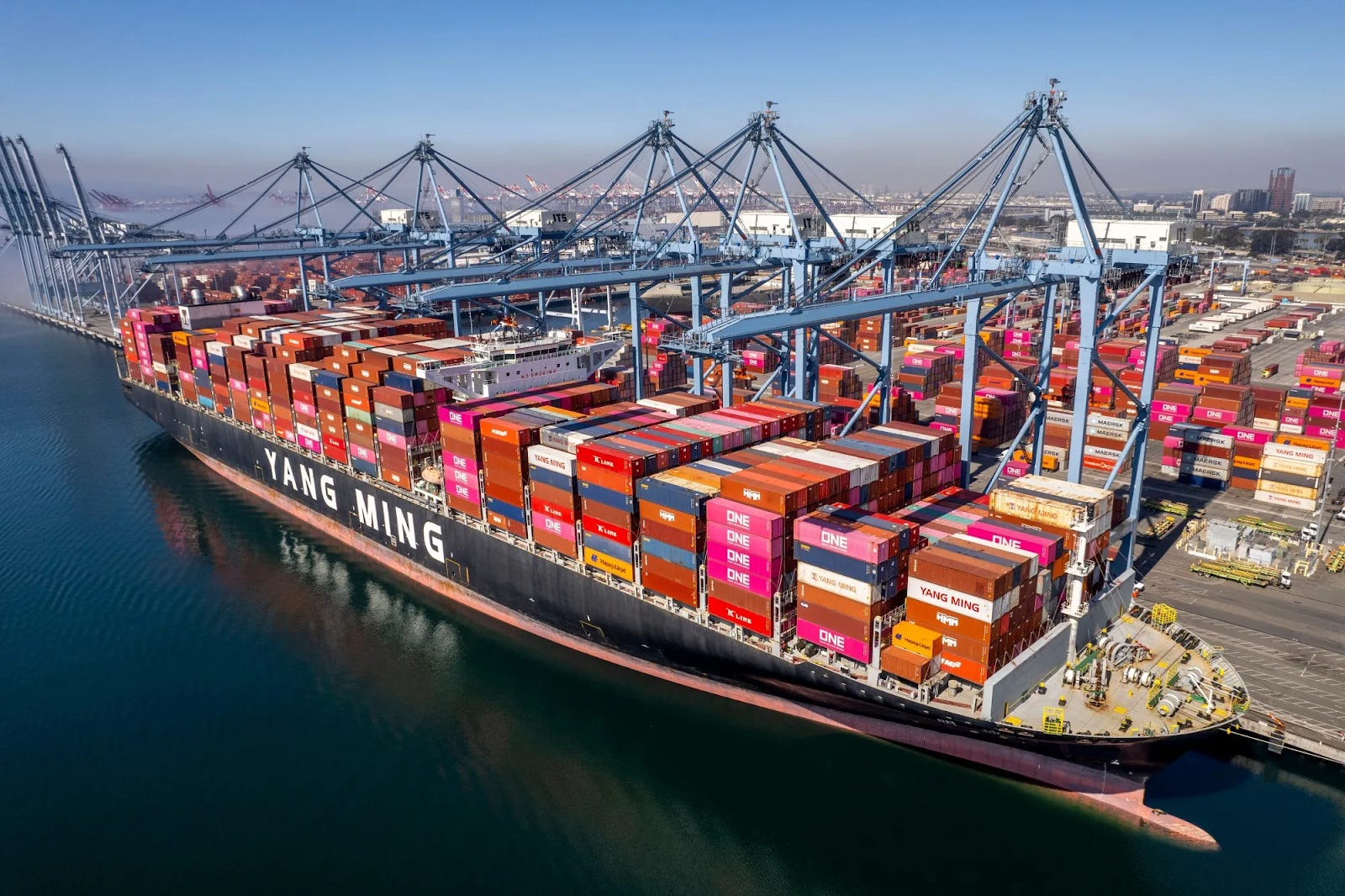
Drawing from a recent Bloomberg report, President Donald Trump has intensified his campaign to reshape the global economy by implementing significant protectionist measures. As of April 5, the U.S. will apply a minimum 10% tariff on all imports, with additional duties on goods from countries with the largest trade surpluses with the U.S., starting April 9. These reciprocal tariffs, customized for about 60 trading partners, are based on the Trump administration’s calculation of the burden on U.S. exporters due to each partner’s trade barriers; for instance, Cambodia and Vietnam face some of the highest reciprocal tariff rates, at 49% and 46%, respectively, while the European Union is assigned a 20% rate, and China faces a 34% rate on top of an existing 20% rate on all Chinese goods. Trump aims to use tariffs to revitalize American industry, raise revenue for the federal budget to offset tax cuts, and as leverage with foreign powers, effectively replacing sanctions, with Treasury Secretary Scott Bessent stating tariffs would remedy unfair trade practices, boost American manufacturing, and serve as a diplomatic tool.
Health — What is High Blood Pressure
Cleveland Clinic
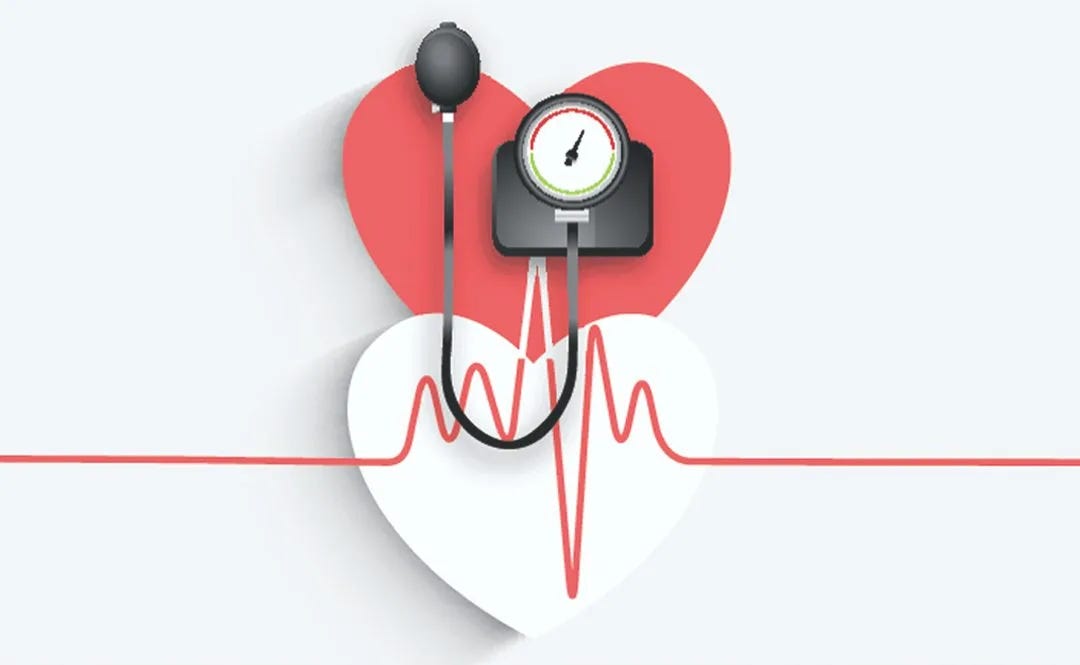
High blood pressure, or hypertension, is a condition where the force of blood against your artery walls is consistently too high, potentially leading to serious complications like heart attack and stroke. Often called a "silent killer," hypertension typically presents no symptoms, making regular checkups crucial for detection. Blood pressure is measured with two numbers: systolic (pressure when the heart beats) and diastolic (pressure when the heart relaxes), with hypertension defined in the U.S. as a reading of 130/80 mmHg or higher. While primary hypertension has no single cause, factors like unhealthy diet, lack of exercise, and genetics can contribute; secondary hypertension results from underlying medical conditions or medications. Fortunately, there are several ways to prevent high blood pressure such as, following a healthy eating plan, cutting down on sodium, keeping a healthy weight and staying active.
Recipe — Taro Moon Cake

Cooking of Joy
Oldies But Goodies - Smoke Gets In Your Eyes (The Platter)
Quote of the Day
“Although our intellect always longs for clarity and certainty, our nature often finds uncertainty fascinating.” – Karl Von Clausewitz