

World Events and Politics — Syria Fell to Rebels

The Economists
Bashar al-Assad’s 24-year rule over Syria has abruptly ended after a swift rebel offensive overwhelmed his regime. Starting on November 27th, rebels led by Hayat Tahrir al-Sham (HTS), a former al-Qaeda affiliate, launched an attack in northwestern Syria, quickly capturing major cities like Aleppo, Hama, and Homs. Meanwhile, local insurgents in southern Syria seized the region around Damascus, and the Kurdish-led Syrian Democratic Forces (SDF) advanced in the northeast, taking key areas such as Deir ez-Zor and a strategic border crossing. Assad’s army collapsed, and his foreign allies, including Russia and Iran, offered only limited support before retreating. By December 7th, Assad’s regime was encircled, and his whereabouts remained unknown as his family reportedly fled abroad. The rebels now face challenges in governing a fractured country, with HTS lacking resources to manage a diverse population and other groups demanding autonomy. While regional powers like Turkey and Russia maneuver for influence, Syrians are relieved by the fall of a regime that caused decades of suffering, though uncertainty looms over the nation’s future.
Science and Technology — What China’s Critical Mineral Ban Means for the U.S.
MIT Technology Review
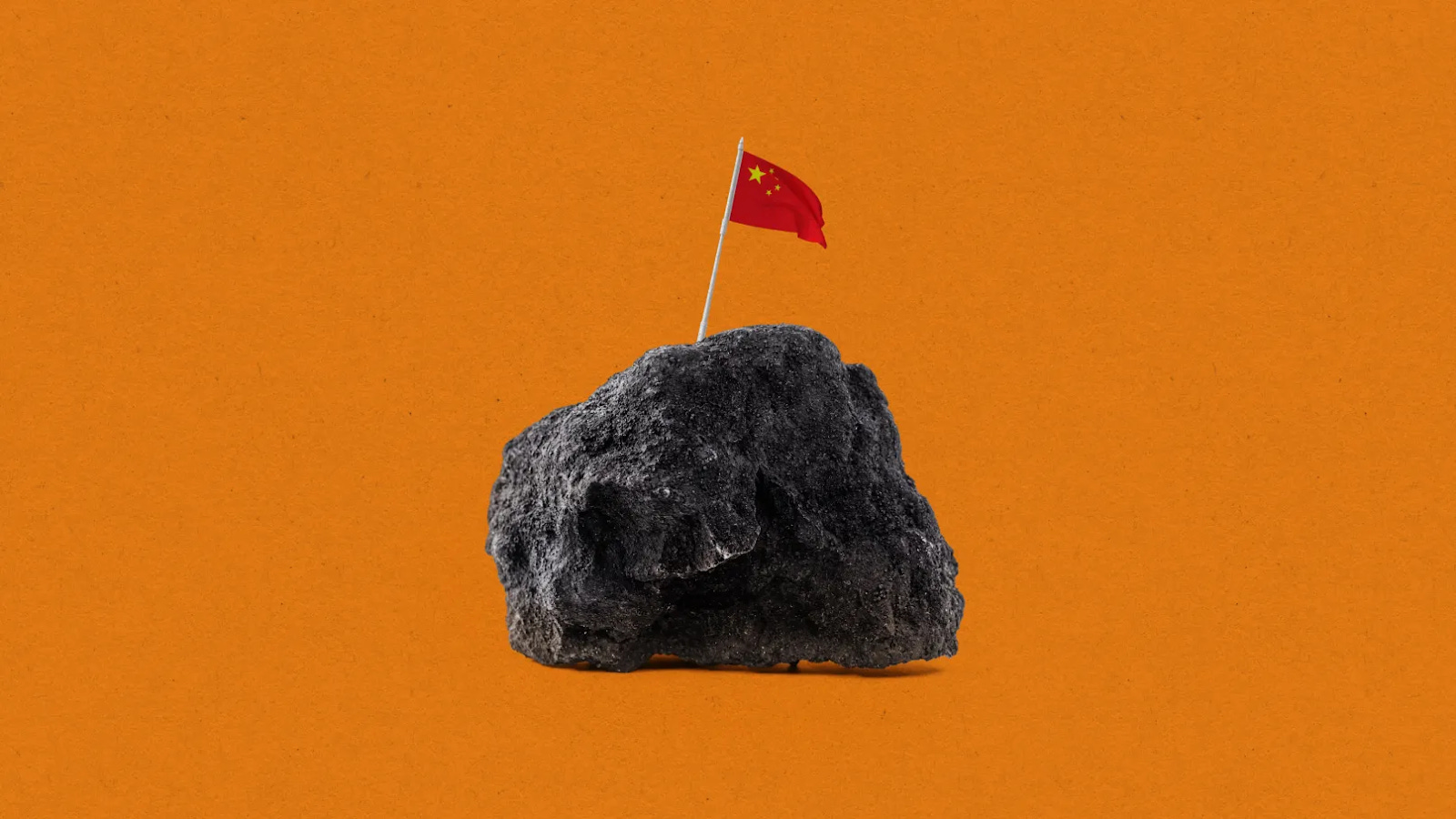
China has escalated its trade tensions with the U.S. by banning exports of critical minerals like gallium, germanium, antimony, and superhard materials, essential for semiconductors, defense, and electric vehicles. This move follows U.S. restrictions on advanced chip technologies aimed at curbing China's military and technological growth. While the immediate economic impact on the U.S. is limited due to prior restrictions and alternative sourcing efforts, the bans highlight China's dominance over key supply chains, particularly in graphite, crucial for EV batteries. However, this decision risks incentivizing U.S. companies to diversify supply chains, develop domestic production, and explore substitutes, potentially weakening China's long-term leverage. The ban may also disrupt climate tech progress by increasing EV costs. As trade tensions intensify under President-elect Trump’s hawkish policies, China could impose stricter measures affecting other critical materials or limit market access for U.S. firms. Both nations face significant economic risks in a prolonged trade war with no clear resolution in sight.
Business and Finance — China’s Consumer Inflation Slows
CNBC
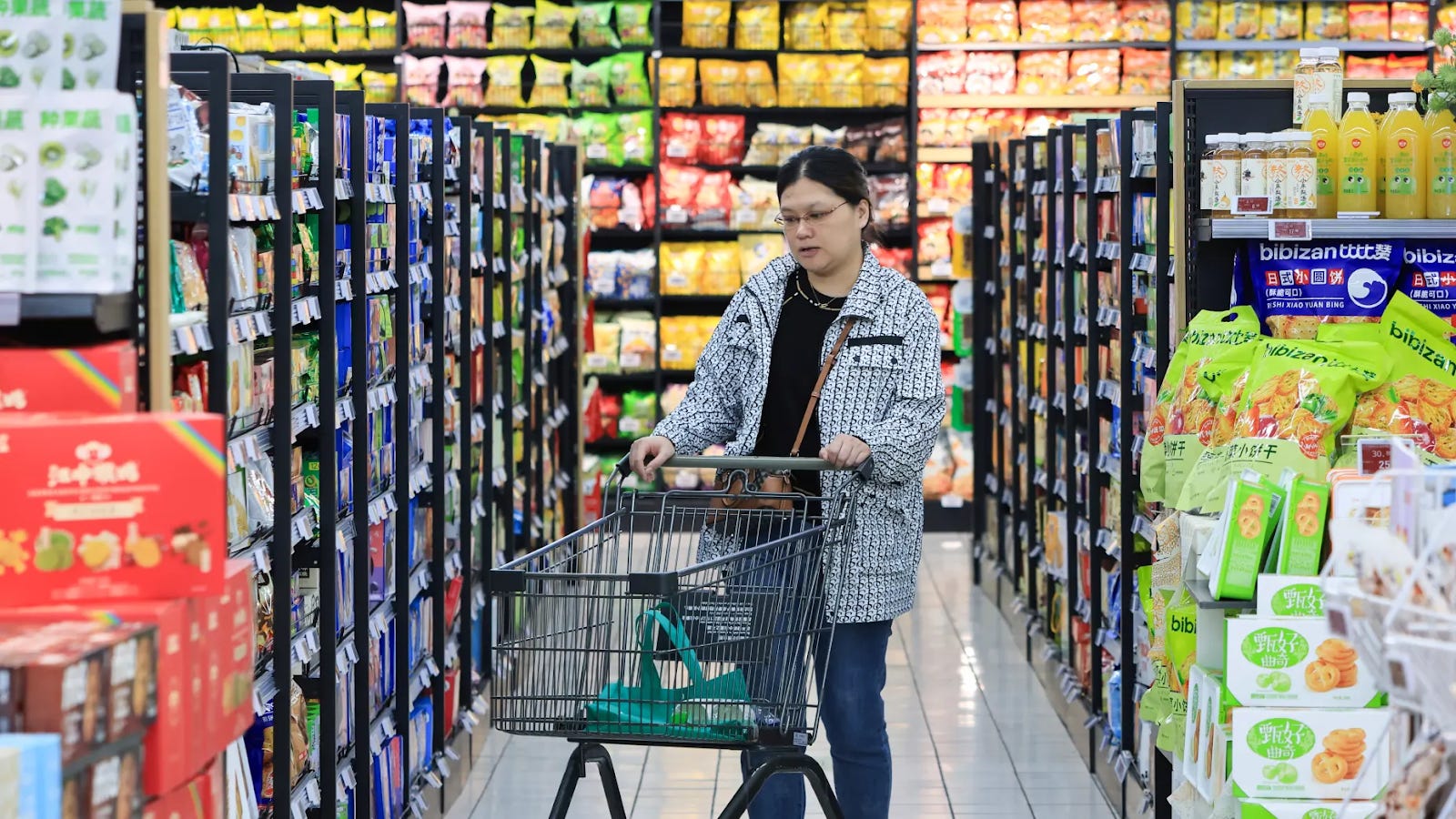
China's consumer price index (CPI) rose by just 0.2% year-on-year in November, missing expectations of 0.5% and marking a five-month low, while core inflation edged up slightly to 0.3%. Meanwhile, the producer price index (PPI) fell for the 26th consecutive month, declining by 2.5%, though less than the forecasted 2.8% drop. Persistent near-zero retail inflation and entrenched PPI deflation reflect weak domestic demand and supply-demand mismatches, despite Beijing's recent stimulus measures, including rate cuts and market support. Analysts predict continued deflationary pressures into 2025, with structural challenges like manufacturing overcapacity and a sluggish property market weighing on recovery. While some sectors, such as retail sales and manufacturing, show tentative signs of improvement, Fitch Ratings has downgraded China's GDP growth forecasts for 2025 and 2026 due to risks like U.S.-China trade tensions and property market instability.
Health and Wellness — FDA
The Economists
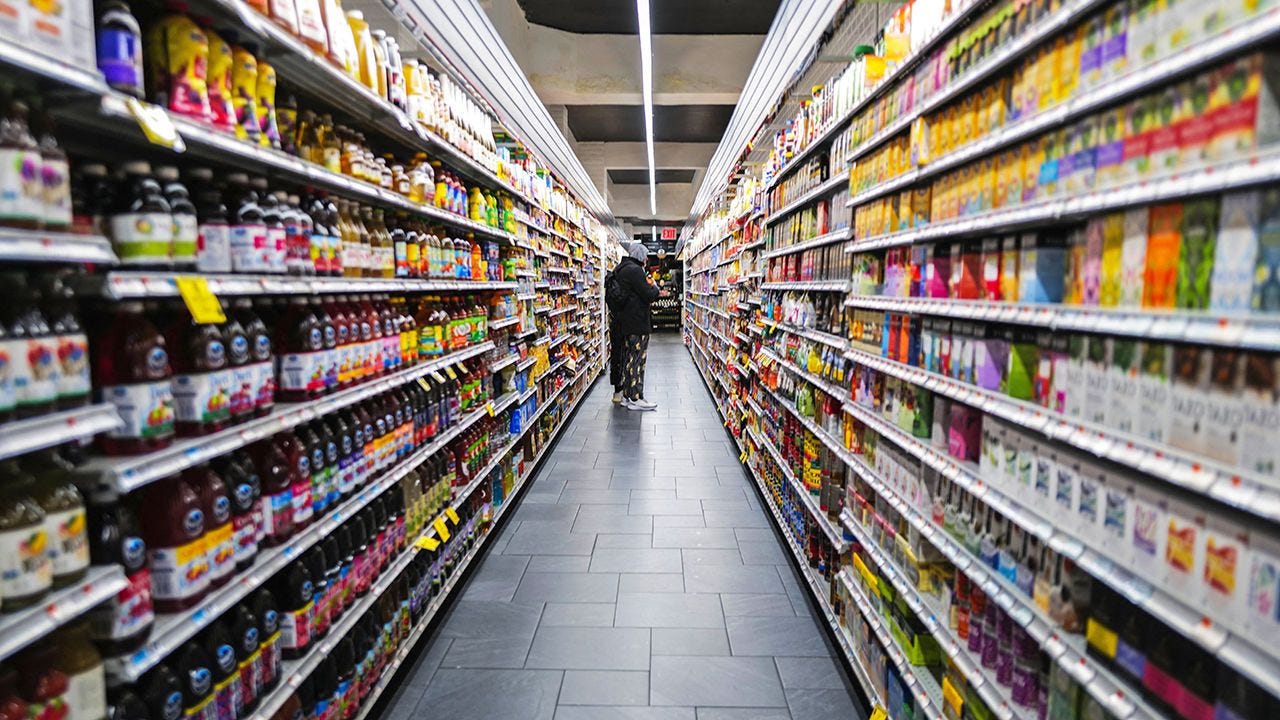
Robert F. Kennedy Jr., Donald Trump's nominee for U.S. Secretary of Health, has criticized the Food and Drug Administration (FDA) for lax regulation of food additives, accusing it of allowing toxic chemicals in foods. The FDA's hands-off approach stems from a 1958 law that created the "generally recognized as safe" (GRAS) loophole, originally intended for natural substances like vinegar and spices but now exploited by food companies to self-certify the safety of thousands of chemicals without FDA oversight. This has led to widespread use of additives in American foods, many of which are banned in the European Union due to health concerns, such as Red 3 dye and potassium bromate, linked to cancer. Acute toxic reactions are rare but not unheard of, as shown by a 2022 incident involving tara flour. Critics argue that the FDA lacks resources and authority to ensure food safety, with over 1,000 additives potentially unaccounted for in its registry. Efforts to reform food safety laws at the federal level have stalled, prompting consumer groups to push for state-level changes, such as a proposed New York bill requiring transparency in safety assessments. If successful, this could lead to safer food formulations nationwide and greater accountability in the U.S. food industry.
Smoothie Bar — Blueberry Pineapple Smoothie
I’ve tried to make a lot of different kinds of smoothie, and trust me when I say that blueberry smoothie is still the best of them all. Here is a little variation and twist for your blueberry smoothie.

Food and DIY
Song Recommendation — Heart of Gold (Shawn Mendes)
Quote of the Day
“War is cruelty, and you cannot refine it.” — William Sherman
William Tecumseh Sherman (1820–1891) was a prominent Union general during the American Civil War, best known for his “March to the Sea,” a campaign that showcased his implementation of total war and devastated the Confederate South. Born in Lancaster, Ohio, he graduated from West Point in 1840 and had a varied pre-war career as a banker, lawyer, and educator. After the war, Sherman served as Commanding General of the U.S. Army (1869–1883), published his memoirs, and became a celebrated yet controversial figure for his military strategies and harsh wartime policies.
Enjoy your monday!