

The Anti-Social Century
The Atlantic
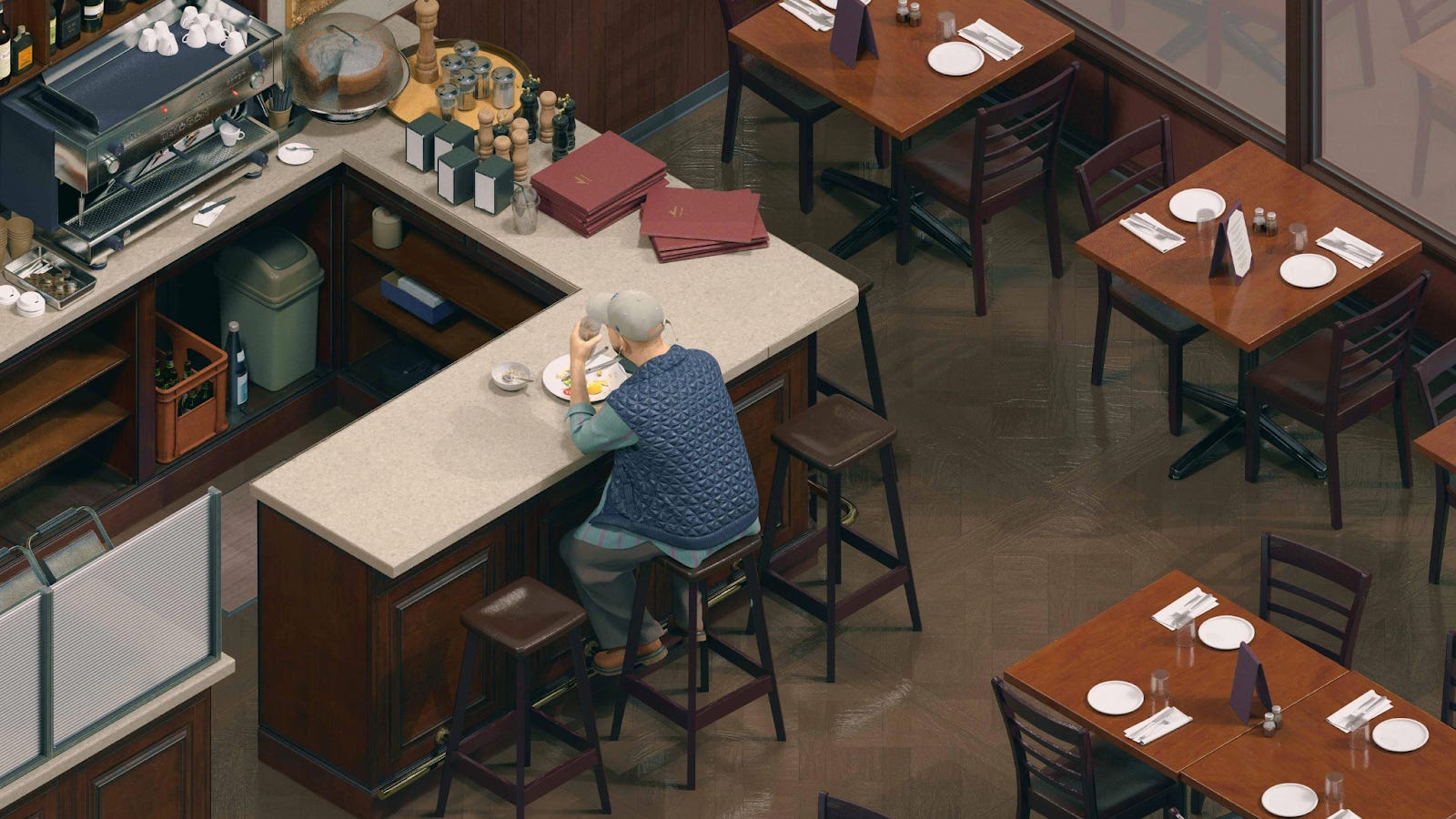
Americans are spending more time alone than ever before, marking what Derek Thompson calls "the anti-social century." Between 2003 and 2023, in-person socializing plunged by more than 20%, with even steeper declines among unmarried men and people under 25. This trend, which began before COVID-19 and continued after the pandemic, reflects a fundamental shift in how Americans live, work, and spend their leisure time.
The roots of this transformation trace back to the late 20th century, when technologies like television and automobiles began reshaping social patterns. Today, smartphones, remote work, and home entertainment have accelerated the trend toward solitude. The typical American home has become larger and more entertaining, with streaming services and screens in every room, while restaurants have shifted toward takeout and delivery. In 2022, adults spent an additional 99 minutes at home daily compared to 2003.
This shift toward solitude isn't just changing individual behavior—it's rewiring American society. Young people are spending less time developing crucial social skills through face-to-face interaction, leading to increased anxiety and depression. Men, particularly young single men, are spending more time alone than any other demographic group, often choosing solitary pursuits over community engagement. The erosion of middle-ring relationships—the "familiar but not intimate" connections with neighbors and community members—has contributed to political polarization and the degradation of democratic discourse.
Paradoxically, research shows that people often mistakenly prefer solitude when social interaction would make them happier. Studies have found that activities like talking to strangers on trains or behaving more extroverted typically lead to greater happiness than staying isolated. The rise of AI companions, with their ability to provide consistent emotional validation without the complexities of human relationships, may further accelerate social disconnection in the future.
However, there are signs of potential change. Independent bookstores are experiencing a renaissance, board game cafés are growing in popularity, and more schools are banning smartphones. These developments suggest that while technology and modern conveniences have made it easier to be alone, humans retain their fundamental need for social connection. The challenge for the future lies in consciously choosing to prioritize real-world community and face-to-face interaction over the comfortable isolation that modern life increasingly enables.
Enjoy your weekend