

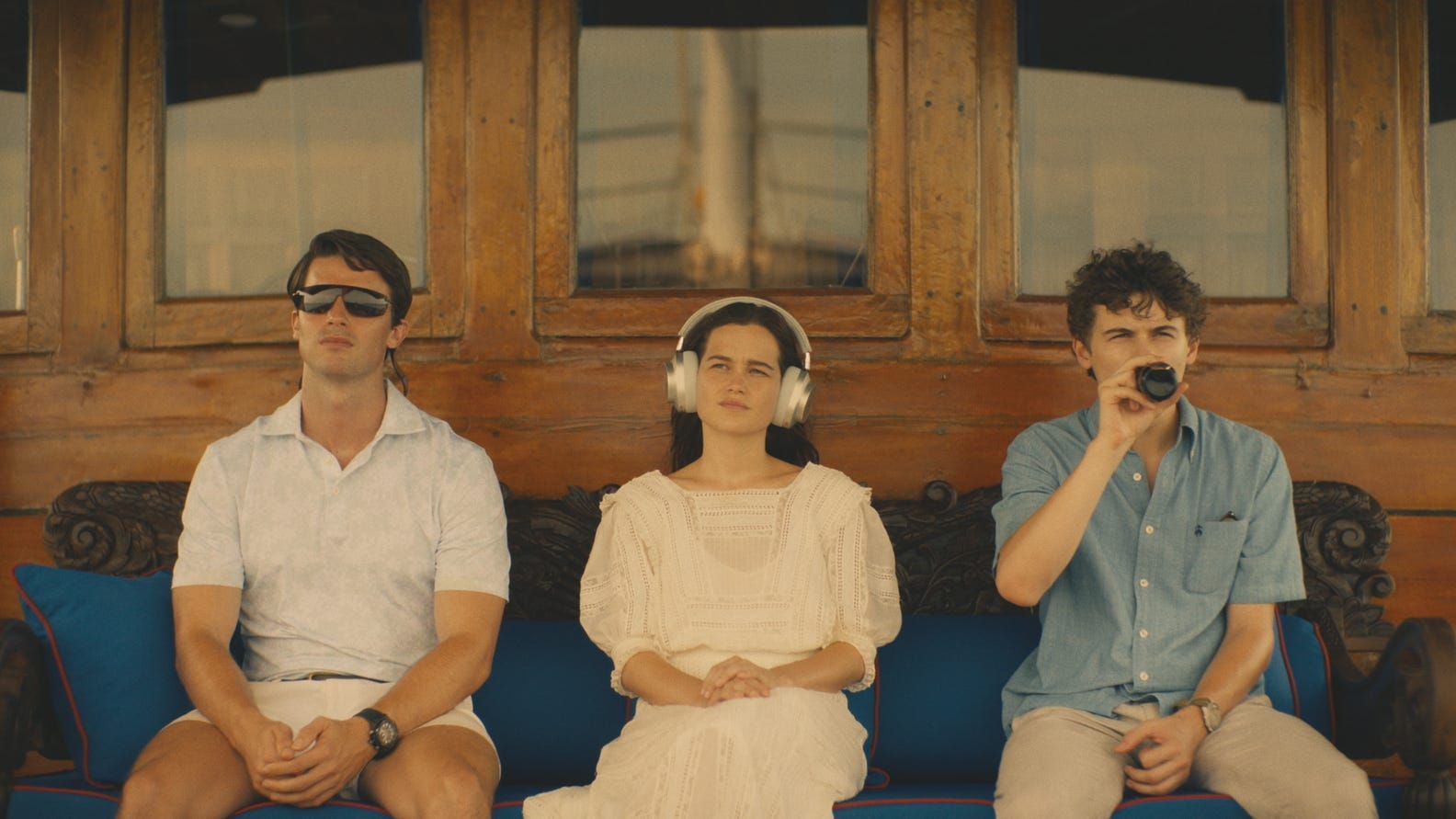
There’s a moment in every economics student’s education when they encounter a curious omission. You spend an entire semester learning about production functions and trade policies. Then, in a single lecture, the professor mentions leisure. It’s important, they say, because it’s somehow the endpoint of all this economic activity. People working so they can eventually not work. Then the course moves on, and leisure is never discussed again.
I thought about this recently while scrolling through Instagram, double-tapping photos of places I’ll never visit, posted by people I’ve never met. My screen time report informed me I’d spent four hours on social media that day. Four hours. I couldn’t remember a single post.
This wasn’t always how we imagined abundance would feel.
In 1930, John Maynard Keynes made a prediction that would become one of economics’ most famous miscalculations. The father of modern macroeconomics forecast that technological progress would solve humanity’s economic problem within a century. By the 2030s, he wrote, we’d work perhaps 15 hours per week, leaving us to face what he called “his real, his permanent problem—how to use his freedom from pressing economic cares, how to occupy the leisure, which science and compound interest will have won for him, to live wisely and agreeably and well.”
Keynes got the productivity part right. He was spectacularly wrong about the leisure.
Today, as artificial intelligence promises to automate not just factory work but knowledge work itself, his question returns with uncomfortable urgency. If machines can think, what will humans do with all that time? But maybe we’re asking the wrong question. Maybe we should be asking: what happened to the time we already gained?
Between 1965 and 2003, according to research by economists Mark Aguiar and Erik Hurst, leisure time in the United States increased dramatically, 6 to 9 hours per week for men, 4 to 8 hours for women. We work less than our grandparents did. We have more free time than any generation in history. Yet we don’t feel leisurely. We feel exhausted, distracted, and somehow always behind.
Walk through any major airport and you’ll see the leisure economy’s split personality on full display. At one gate, travelers hunch over phones, scrolling through TikTok and Instagram, killing time before boarding. At another, a couple boards a first-class cabin that cost more than most people’s monthly rent, heading to an exclusive resort where every moment has been curated for maximum relaxation per dollar spent.
These aren’t just different choices. They’re symptoms of the same condition. Leisure has become a commodity, something to be purchased, optimized, and extracted for value. And like any commodity in a market economy, it can be made cheap or expensive, but it’s increasingly difficult to find it simply... free.
Meta’s 2024 earnings report provides one measure of this transformation. The company generated $164.5 billion in revenue, up 22% from two years earlier, extracted from 3 billion daily active users across Facebook, Instagram, and WhatsApp. The business model is elegant in its simplicity: the longer users stay on the platform, the more ads the company can serve. Every minute of leisure time captured translates directly to shareholder value. Mark Zuckerberg isn’t in the social media business, really. He’s in the leisure arbitrage business, buying your time at the price of free entertainment and selling it to advertisers at premium rates.
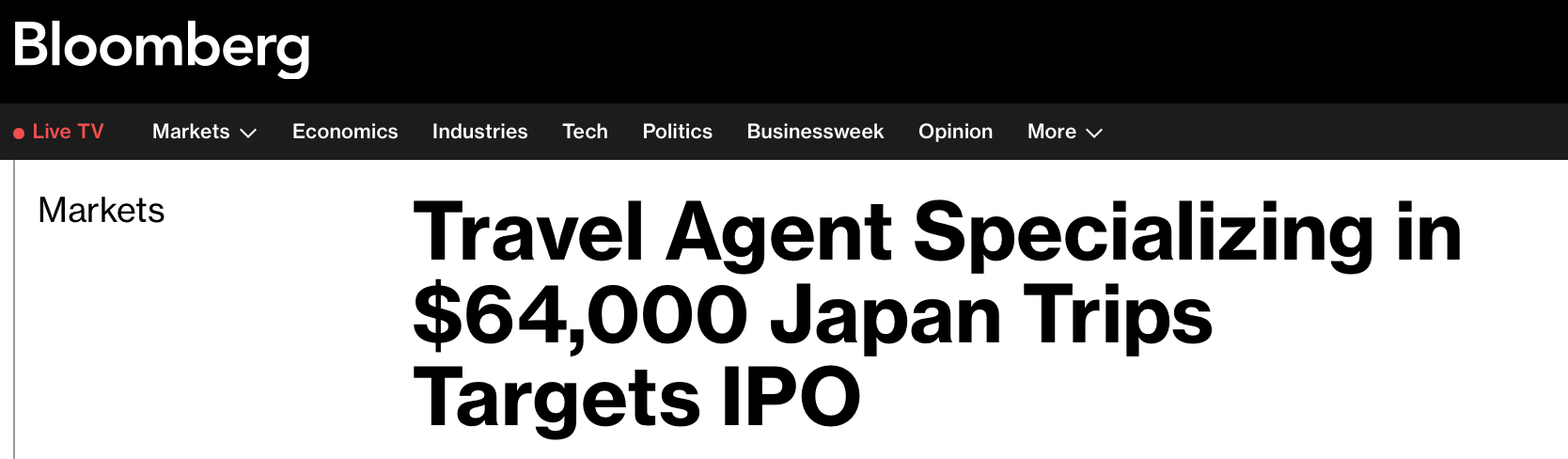
On the other end of the spectrum, luxury has never been more luxurious. Air France recently invested hundreds of millions upgrading its first-class cabins. Ultra-luxury hotel chains like Aman and Rosewood are expanding rapidly, with nightly rates that can exceed $2,000. Companies offering bespoke Japanese travel experiences are preparing for IPOs. If you have money but no time, you can purchase efficiency—experiences designed to deliver maximum restoration in minimum hours.
Both approaches treat leisure as a production problem. The only question is whether you’re optimizing for volume or quality, cost or exclusivity. What’s disappeared is the notion of leisure as something that exists outside the logic of markets entirely.
There’s an economic framework that helps explain this, though it’s rarely presented as the dystopian diagnosis it implies. The Beckerian model of household production treats leisure not as rest but as manufacturing. Households become little factories, combining “leisure capital”—televisions, smartphones, streaming subscriptions, gaming consoles—with time to produce leisure services. As leisure capital has gotten cheaper (a Netflix subscription costs less than a single movie ticket in 1950s dollars), households can substitute capital for time, extracting more leisure per hour.
This explains a paradox that puzzles many people: why do high-income workers often work more hours than low-income workers, even though they can afford more leisure? Because their time is expensive. A lawyer billing $500 an hour has a strong incentive to purchase leisure capital—the premium gym membership, the meal delivery service, the expensive vacation—that maximizes restoration per hour, freeing up more time to bill more hours. It’s not that they don’t value leisure. They value it so much they’ve turned it into an investment.
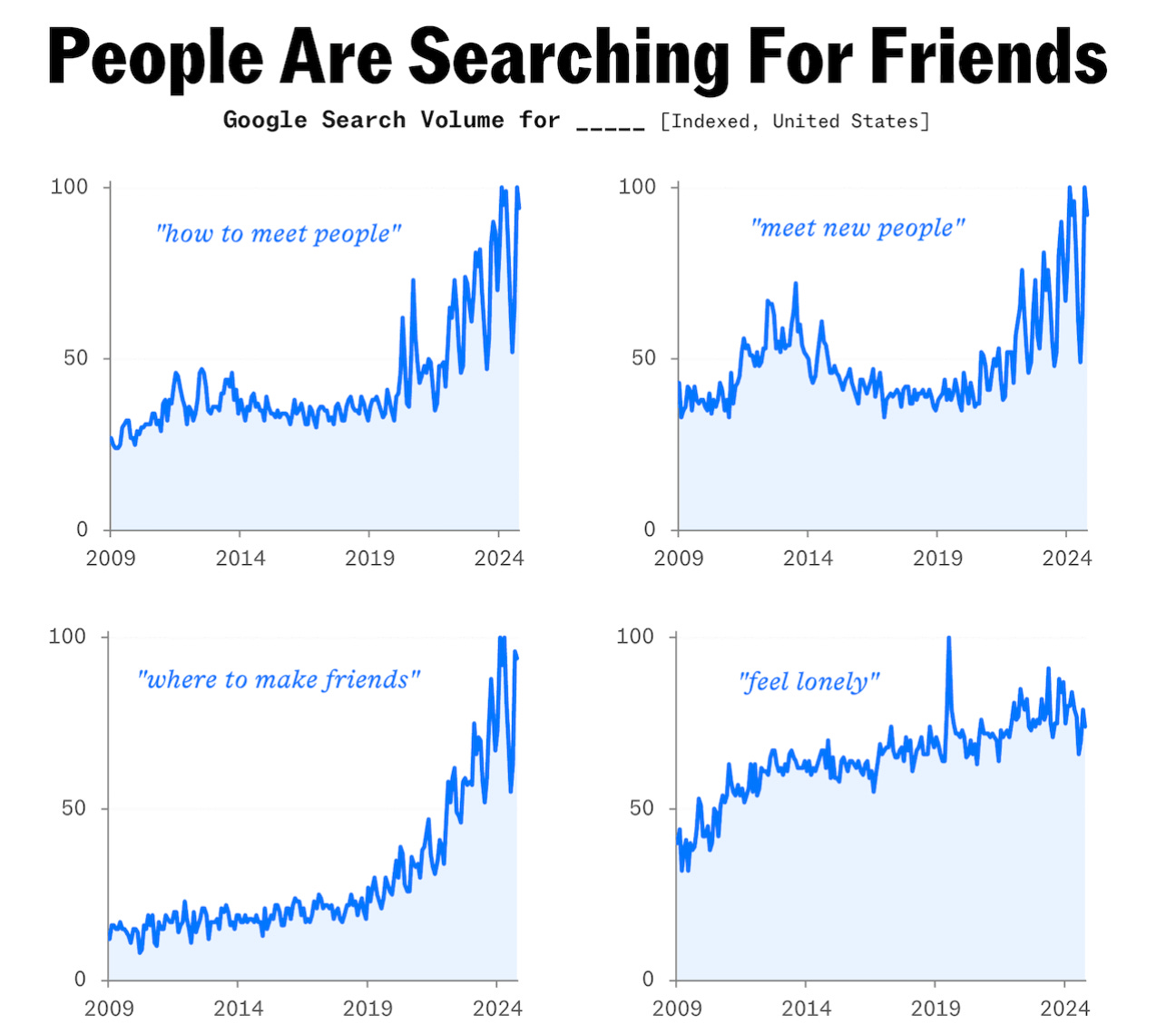
The problem reveals itself in the data on how we actually spend this leisure we’ve gained. Between 2014 and 2024, the percentage of Americans who socialize with friends on a typical day fell from 38% to 30%, according to the American Time Use Survey. We’re not using our free time to deepen relationships or build communities. We’re using it to consume content alone.
In 2023, the U.S. Surgeon General declared loneliness a public health epidemic, noting it carries health risks equivalent to smoking 15 cigarettes a day. We have more ways to connect than ever—more platforms, more apps, more options—yet we’re more isolated. Leisure time has increased, but what social scientists call “social capital”—the sympathy, empathy, and shared commonalities that facilitate genuine cooperation—has declined.
What replaced it might be called cheap social capital: the likes, comments, shares, and group chats. Low-effort digital substitutes that provide the appearance of connection without its substance. It’s the social equivalent of fast food—engineered for maximum palatability and minimum nutritional value.
There’s a historical pattern here that bears an uncomfortable resemblance to other economic transformations. In 18th-century England, common lands, spaces shared by communities for grazing, gathering, and recreation, were enclosed and privatized. This created the conditions for market economies but destroyed communal ways of life. What was once shared became property. What was once free became priced.
Today’s enclosure operates in the cultural sphere. Non-commodified spaces, human relationships, spontaneous joy, unstructured time, are being fenced off and transformed into products for consumption. Social networks enclose friendship. Dating apps enclose romance. Mindfulness apps enclose meditation. Everything that was once freely shared now requires a subscription.
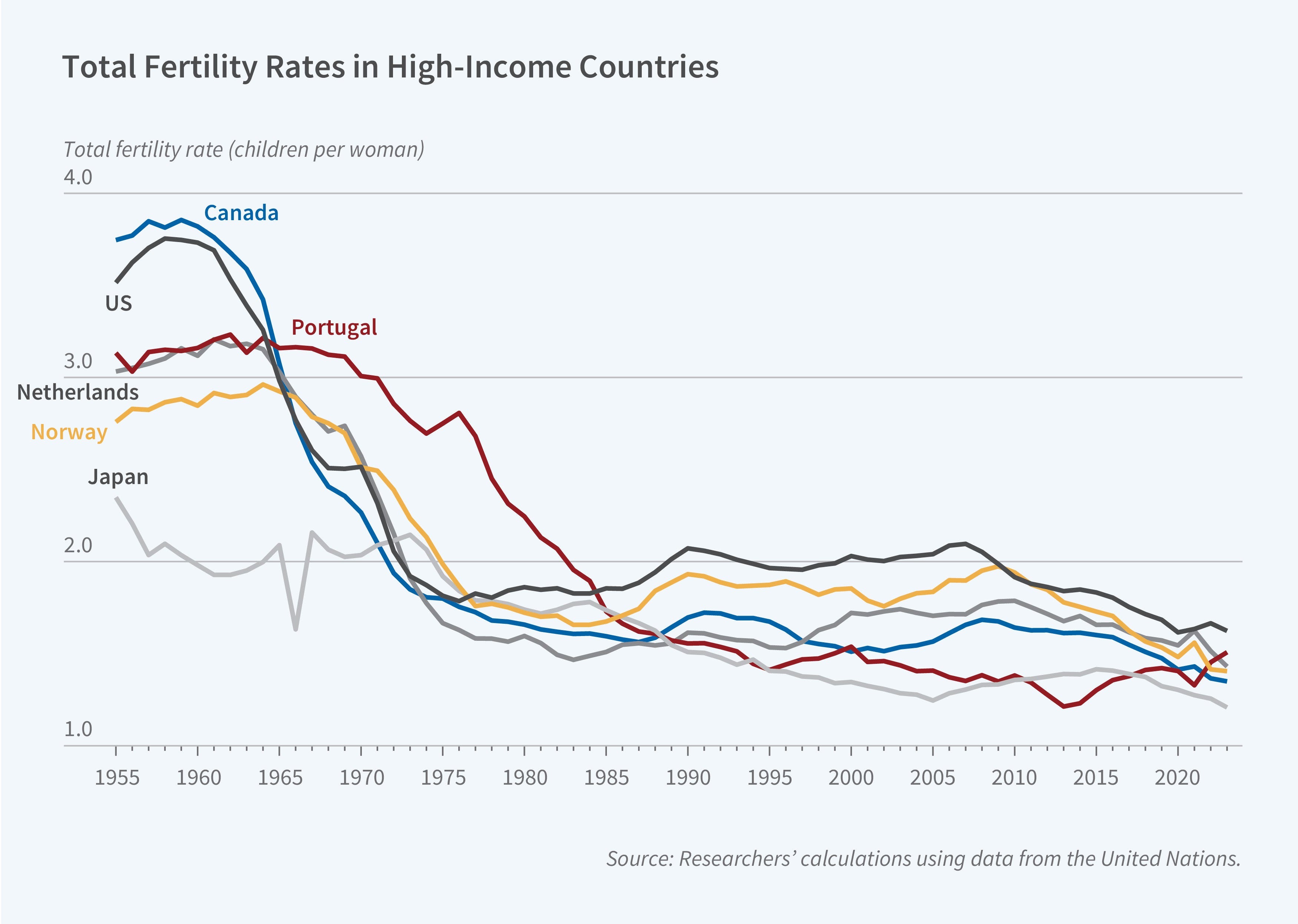
The fertility data suggests this logic has reached even our most intimate choices. Across developed nations, birth rates have collapsed: 1.64 births per woman in the United States, 1.33 in Italy, 1.26 in Spain, 0.72 in South Korea. While multiple factors drive this decline, the economic reframing of family deserves attention. When leisure becomes a commodity to be optimally consumed, children transform from a dimension of human experience into a utility calculation. The time cost, the financial cost, the opportunity cost, and suddenly family formation becomes a question of individual optimization rather than something people do because it’s meaningful.
I think about this when I see my friends, most of whom are in their twenties, talking about whether they can “afford” to have kids. They don’t mean it purely financially, though that’s part of it. They mean: can I afford the time? What will I have to give up? What experiences will I miss? These are reasonable questions in an expensive world. But they’re also questions that would have seemed bizarre to most humans throughout history, for whom children weren’t a choice on a menu of lifestyle options but simply what came next.
Technology and capitalism promised to free us from toil. Instead, they’ve invaded every corner of life, including the parts that were supposed to be refuges from market logic. We’ve imported the vocabulary of productivity into relationships (networking), self-care (optimization), and even rest (recovery). Nothing is allowed to simply be. Everything must justify itself in terms of output.
As AI accelerates this transformation, promising to automate even more of our working hours, Keynes’s question returns: what will we do with all that time? But the answer seems increasingly clear. We won’t spend it in contemplation or community. We’ll spend it alone, staring at screens, while algorithms optimize our attention for maximum advertising revenue. Or, if we’re wealthy enough, we’ll purchase curated experiences designed for maximum efficiency, treating leisure itself as another form of work.
The great irony of our age is that we’ve achieved Keynes’s dream of abundance, but we let it be colonized before we could inhabit it. Technology gave us more time. Economics taught us to optimize it. And now, immersed in infinite content and exclusive experiences, we rarely stop to ask the most basic question: leisure for what?
The answer won’t be found in economics textbooks or productivity apps. It requires remembering something we knew before leisure became a market—that time spent with others for no particular reason, activities pursued for their own sake, and connections formed without transaction aren’t inefficiencies to be optimized away. They’re the point.
Until we reclaim leisure from commodification, we risk becoming the wealthiest, most entertained, and loneliest civilization in human history. We will have gained all the time in the world and lost the meaning of it.
The conclusion!! I love the economic angle on leisure because clearly in NA, leisure has been comodified. Anything almost having to do with your wellbeing and what should make us happy, as you mention, requires a subscription fee or smth of sorts. I definitely think tho we have to redefine leisure as a society. WELL WRITTEN!✨