

World News — Will Trump Push South-East Asia Towards China?
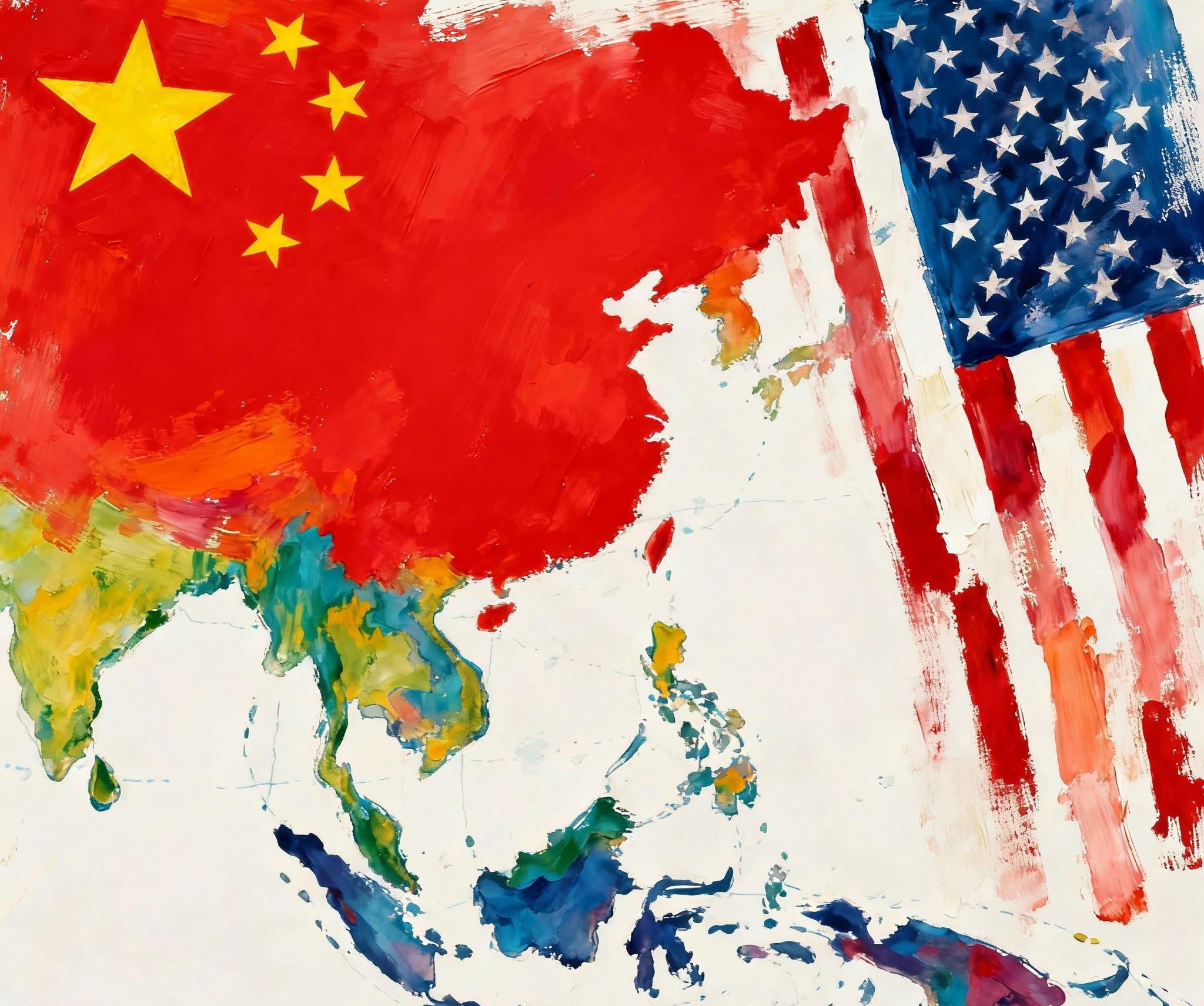
President Trump’s tariff policies and foreign aid cuts have strained US relations with Southeast Asia, pushing the region toward stronger ties with China, which has capitalized on American uncertainty by expanding trade partnerships and infrastructure investments through initiatives like the Belt and Road. While the US remains the largest foreign investor in ASEAN with deep economic connections supporting over 625,000 American jobs, Trump’s unpredictable approach—from withdrawing from the Trans-Pacific Partnership to imposing harsh reciprocal tariffs initially hitting countries like Vietnam and Cambodia with rates up to 49 percent—has eroded trust and forced Southeast Asian nations to pursue alternative alliances with the EU, new trade partnerships, and closer cooperation with Beijing.
Tech — Amazon to Lay Off 30,000 Corporate Jobs
Amazon plans to cut up to 30,000 corporate jobs across key departments including logistics, payments, video games, and cloud computing—the largest reduction since 2022-2023 when the company eliminated over 27,000 positions following its pandemic hiring surge. CEO Andy Jassy has signaled that Amazon’s corporate workforce will shrink as the company increasingly deploys artificial intelligence to automate tasks previously handled by employees, telling staff in June that “we will need fewer people doing some of the jobs that are being done today” while acknowledging the company remains “unwieldy” despite previous cuts. The reductions, expected to begin as soon as Tuesday, reflect Jassy’s push for greater efficiency through AI adoption across the company’s operations, affecting a fraction of Amazon’s 350,000 corporate employees within its total workforce of 1.55 million.
Economics — The Dismantling of the Rip-Off Economy

Artificial intelligence is dismantling the “rip-off economy” by eliminating information advantages that sellers have long exploited over consumers, potentially saving hundreds of billions of dollars annually in markets plagued by opacity and asymmetry—from used cars and home repairs to healthcare and legal services. While the internet reduced such distortions from 30% to 25% of American consumer spending since 2000, AI tools like ChatGPT now enable consumers to negotiate better car lease terms, challenge unfair fees, and secure higher compensation rates on complaints (49% success with AI assistance versus 40% without), fundamentally shifting power dynamics in transactions. However, the transformation’s scope depends on consumers learning to use AI as a strategic tool rather than blindly following its advice, and on preventing sellers from deploying their own AI countermeasures that could simply escalate the technological arms race, potentially requiring neutral AI arbitrators to mediate future market transactions.
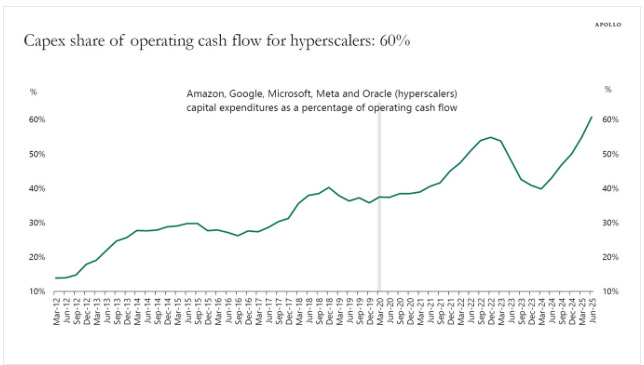
Chart of the Day
Quote of the Day
“Don’t spend time beating on a wall, hoping to transform it into a door. ” ― Coco Chanel