

World Events — Tariff, Implemented
Bloomberg
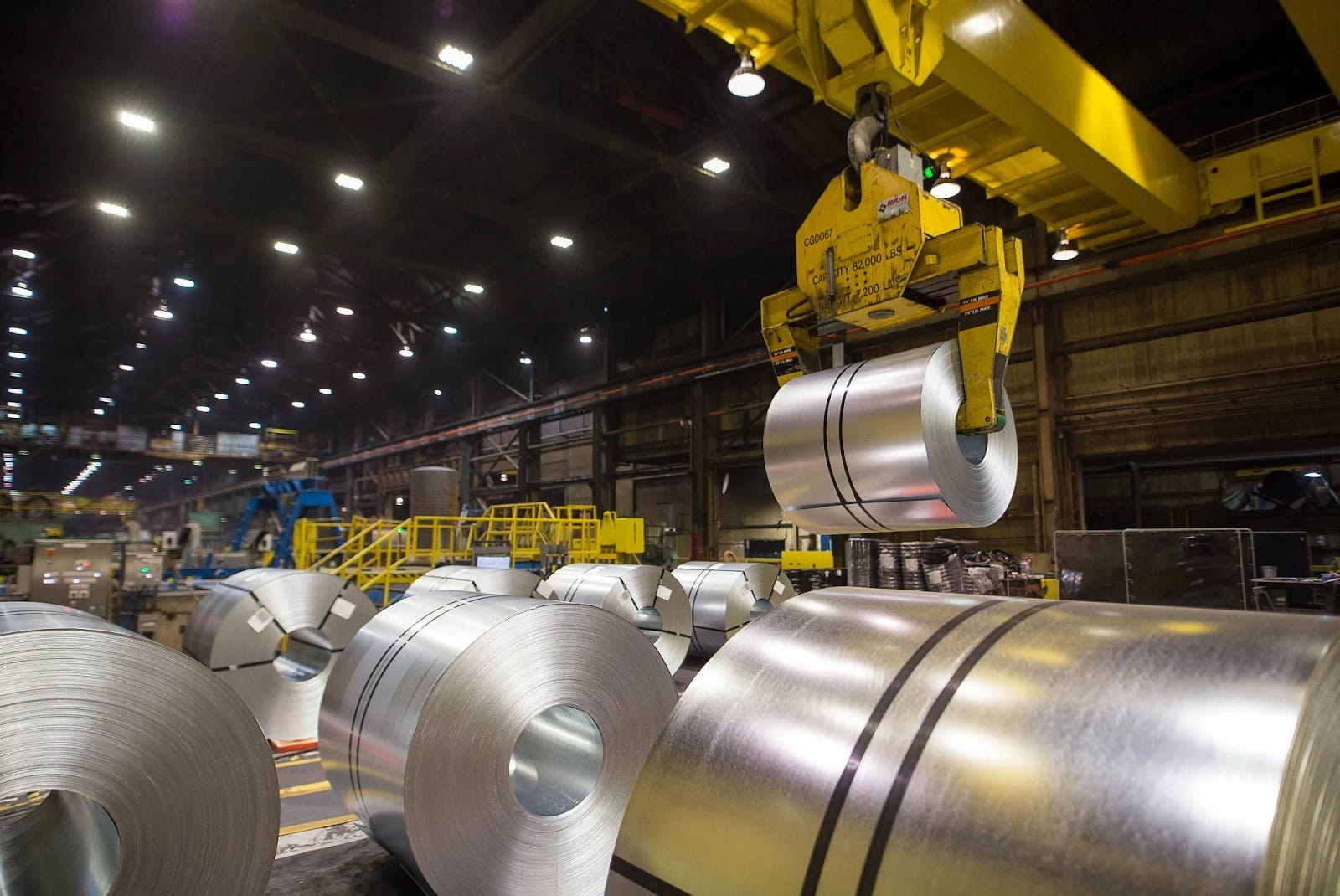
A crane moving a roll of coiled steel at a Hamilton, Ontario steel plant highlights the critical role of Canadian steel in North American industry—an industry now facing major upheaval after U.S. President Donald Trump signed an executive order doubling tariffs on imported steel and aluminum to 50%, effective June 4, 2025. Canada, the largest supplier of steel to the U.S., is expected to be hit hard by these tariffs, which industry leaders and local officials warn could devastate communities reliant on steel exports, such as Sault Ste. Marie, and disrupt supply chains across both countries. While Trump argues the move is necessary to protect national security and bolster American manufacturing, Canadian officials and business leaders predict severe economic fallout, including job losses and higher costs for consumers, as the increased tariffs threaten to erode cross-border trade and spark retaliatory measures. The United Kingdom is temporarily exempt, maintaining a 25% tariff as trade negotiations continue, but for Canada and other key exporters, the new policy marks a significant escalation in trade tensions and economic uncertainty.
Tech — Xiaomi Among the Hardest Hit By US Chip Software Ban

FT
Chinese tech companies like Xiaomi are among the hardest hit by the new U.S. ban on exporting chip design software (EDA tools) to China, a move aimed at curbing the country's progress in advanced semiconductors and artificial intelligence. Xiaomi, which recently launched its self-designed 3nm XRING O1 mobile chip manufactured in Taiwan, relies heavily on U.S. EDA tools from companies such as Cadence, Synopsys, and Siemens EDA—firms that control nearly 80% of China's EDA market. The new restrictions, enforced by the U.S. Commerce Department's Bureau of Industry and Security, cut off Chinese firms from future updates and technical support crucial for manufacturing cutting-edge chips, though existing licenses are unlikely to be revoked immediately. While the ban primarily targets advanced chips, it could also disrupt the broader supply chain and force Chinese companies to accelerate the development and adoption of domestic EDA alternatives, such as those from Empyrean Technology, or resort to using unauthorized versions of U.S. software. This escalation in the tech war not only threatens to fragment the global semiconductor ecosystem but also risks slowing innovation and raising costs for both Chinese and Western companies.
Wallstreet — BlackRock’s Climate Rollback
FT
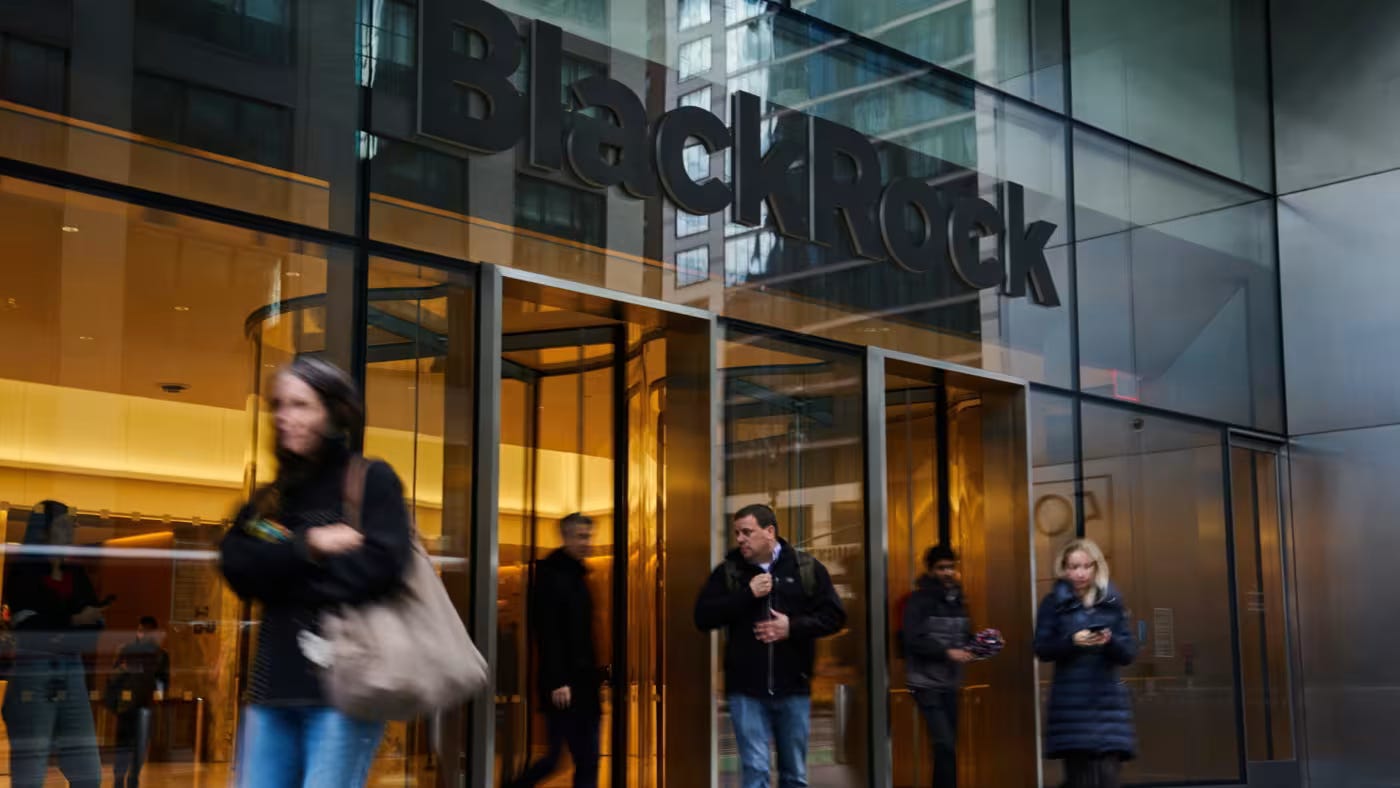
Texas has removed BlackRock from its blacklist of companies barred from receiving state investment funds, ending a three-year standoff triggered by the asset manager’s support for climate initiatives. The decision, announced by Texas Comptroller Glenn Hegar, follows BlackRock’s retreat from major climate coalitions, including its exit from the Net Zero Asset Managers initiative and a dramatic reduction in its support for shareholder proposals targeting fossil fuel use. As a result, Texas pension and investment funds—managing more than $300 billion—can now buy BlackRock shares, invest in its funds, and seek its financial advisory services. The move is seen as a victory for Texas lawmakers and the oil and gas industry, who have pushed back against Wall Street’s environmental, social, and governance (ESG) policies. BlackRock’s policy shift, distancing itself from blanket fossil fuel restrictions, was cited by Hegar as evidence of a “real commitment” to aligning with Texas energy priorities, though the firm remains under legal scrutiny from the Texas attorney general over alleged market manipulation tied to its green policies.
Society — How Trump’s Ban on International Student Will Affect American Universities
The Economists
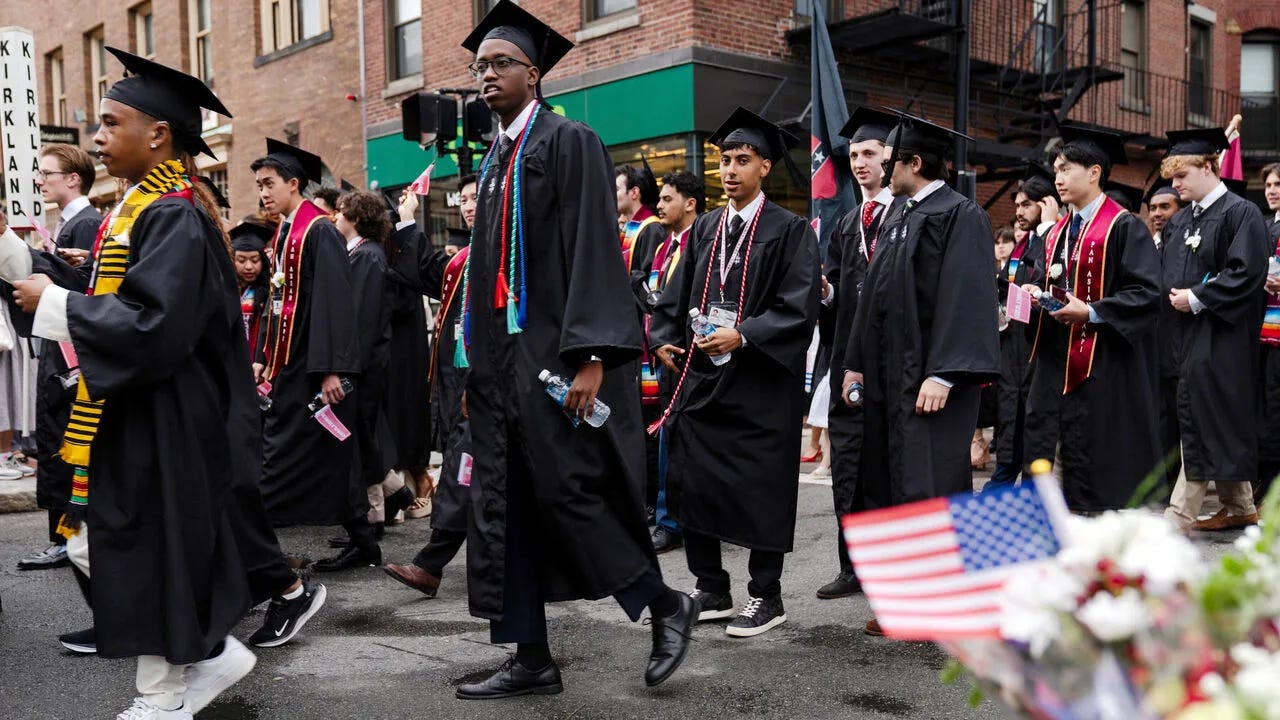
The universities most at risk from Trump’s crackdown on foreign students are not the Ivy League giants like Harvard or Columbia—despite their high international student shares—but rather the second- and third-tier public and private institutions that depend heavily on full-paying foreign students to balance their budgets. While elite schools have diversified income streams and can weather enrollment shocks, less prestigious universities—especially those in regions facing demographic declines and shrinking state funding—have increasingly relied on international student tuition to offset financial shortfalls. If foreign student numbers plummet due to visa restrictions or reputational damage, these institutions could face severe budget crises, potentially leading to tuition hikes, reduced financial aid, or even closures, especially in the Midwest and Northeast where demographic pressures are greatest. The fallout could ripple through local economies and further limit affordable higher education options, creating regional “cold spots” and exacerbating inequality in access to quality degrees.
Song Recommendation — Nothing Left (Morgan Wallen)
Quote of the day
“People who are right most of the time are people who change their minds often.”
― Jeff Bezos