

America — Trump’s Tariff Will Cause Havoc
The Economists
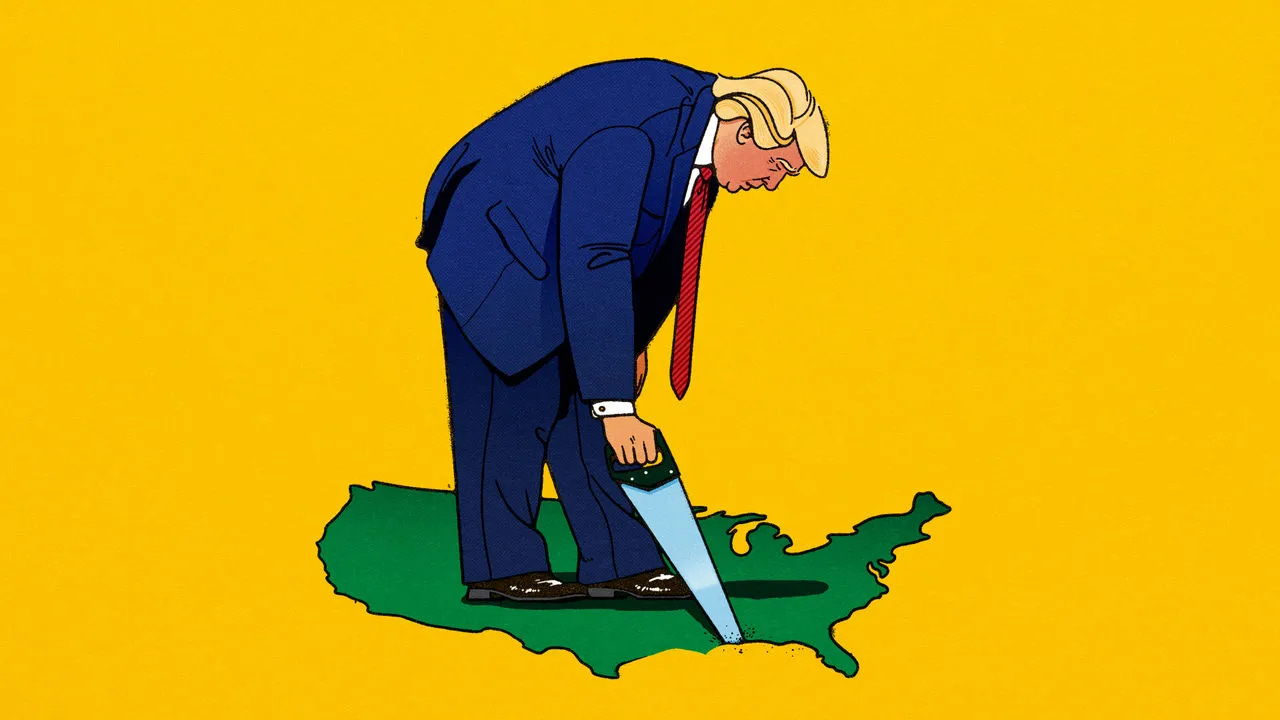
On April 2, 2025, President Donald Trump announced sweeping reciprocal tariffs targeting nearly all U.S. trading partners, marking a dramatic shift in American trade policy and a return to protectionism reminiscent of the 19th century. These tariffs range from 10% to 65%, with major economies like China, India, Japan, and the European Union facing significant levies. Trump justified these measures by claiming foreign nations have exploited the U.S. economy through trade imbalances—a view widely criticized as historically and economically flawed. Economists warn that such tariffs will harm American consumers through higher prices, weaken manufacturers by reducing competition, and risk global retaliation that could exacerbate economic instability akin to the Great Depression. The international community faces a dilemma: whether to retaliate or focus on strengthening intra-regional trade to mitigate the fallout from Trump's "Liberation Day" tariffs.
Tech — TikTok Deal Nears
Bloomberg
President Donald Trump announced that the U.S. is nearing a deal to prevent a ban on TikTok, involving a consortium of American investors, including Oracle Corp., Blackstone Inc., and Andreessen Horowitz. Under the proposed plan, ByteDance would reduce its stake in TikTok's U.S. operations to below 20%, while new outside investors would hold 50%, meeting the requirements of a U.S. law mandating ByteDance's divestment. The deal would also see TikTok's algorithm remain with ByteDance but licensed to the new U.S.-based entity. While Trump expressed optimism about finalizing the agreement, challenges remain, including securing approval from ByteDance and the Chinese government, as well as navigating legal and regulatory hurdles tied to TikTok’s data privacy practices and geopolitical tensions.
Economics — Market Tanks on Tariff Fear

Bloomberg
The S&P 500 suffered its steepest single-day drop since the pandemic, plunging 4.8% and erasing $2.5 trillion in market value as President Donald Trump's sweeping new trade tariffs rattled investors and stoked recession fears. The Nasdaq 100 fell 5.4%, driven by sharp declines in major tech stocks like Apple, Nvidia, and Tesla, while retail giants such as Nike and Gap also saw significant losses. Trump's tariffs, imposing levies of up to 10% on all imports and higher rates on goods from 60 nations, triggered a global market rout from Tokyo to London and sent investors scrambling for safe-haven assets like bonds and the yen. With volatility surging and the Cboe Volatility Index hitting its highest level this year, concerns about economic growth and potential retaliation have heightened, leaving markets bracing for further turbulence.
Health — How Much Sugar Is Too Much Sugar
American Heart and Stroke Foundation
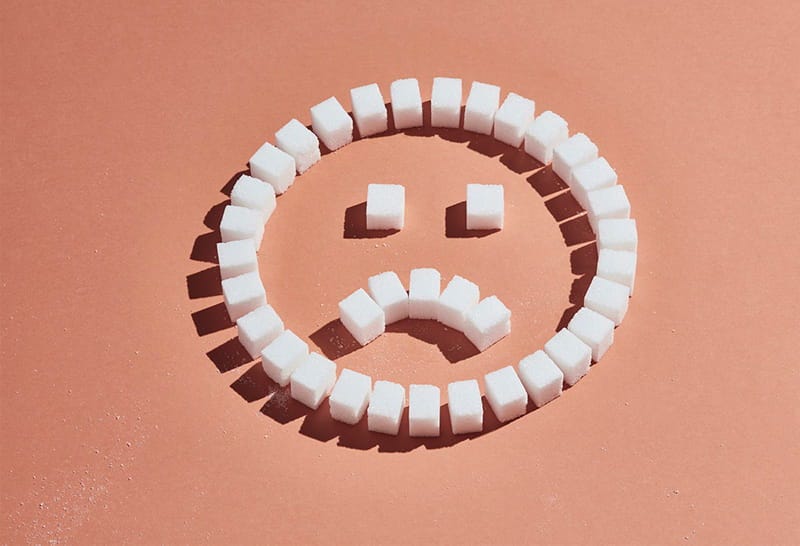
The average adult in the U.S. consumes about 17 teaspoons of added sugar daily, far exceeding the recommended limits of 9 teaspoons for men and 6 teaspoons for women, totaling approximately 60 pounds per year. Major sources of this added sugar include sugar-sweetened beverages (24%), desserts and sweet snacks (19%), and other sources such as coffee, tea, candy, sandwiches, and breakfast cereals (collectively 48%). It's important to read nutrition labels carefully and be aware of alternative names for added sugars like honey, maple syrup, and high fructose corn syrup, as food manufacturers are now required to list added sugars on Nutrition Facts labels to help consumers make informed choices.
Recipe — Earl Gray Tea Cake

Leelicious
Song to Wind Down — Casual (Chappell Roan)
Quote of the Day
“The American Republic will endure until the day Congress discovers that it can bribe the public with the public's money.” ― Alexis de Tocqueville