

Global Events — Tariffs and the Global Economy
The Economists
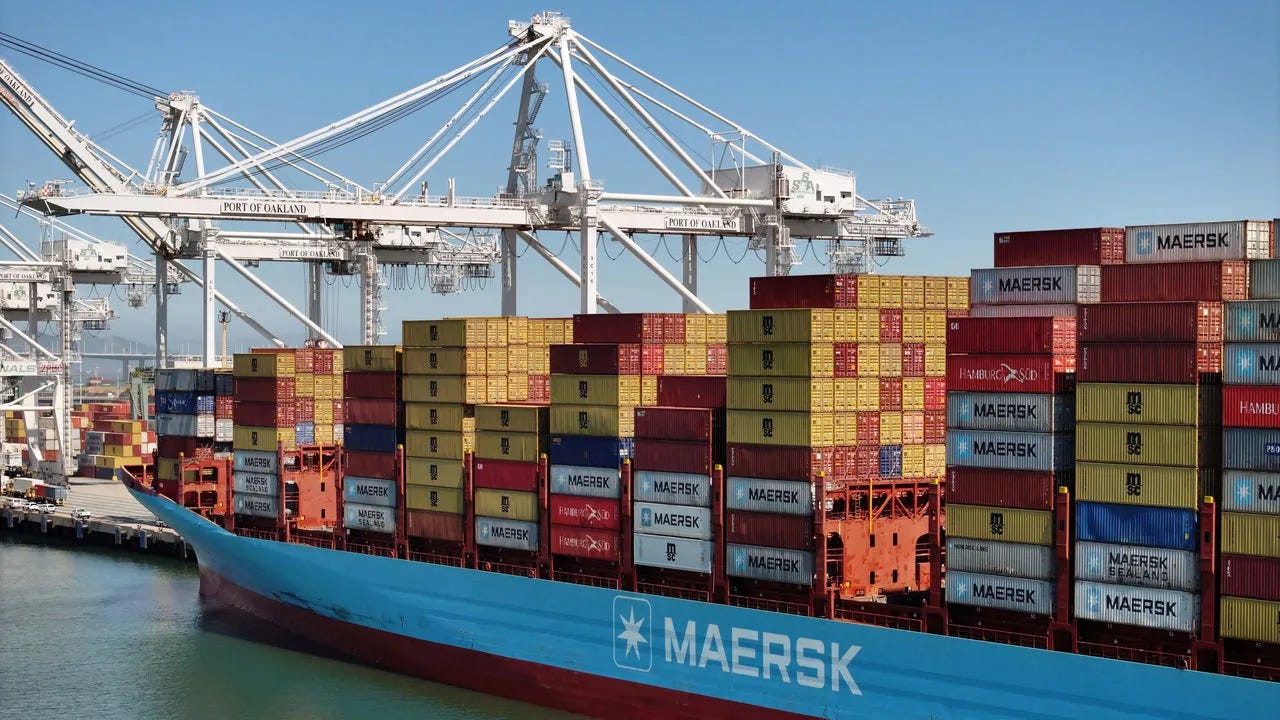
Franklin D. Roosevelt identified high tariffs as a key cause of the Great Depression, noting how they invited retaliation and hampered investment. Now in 2025, Donald Trump's approach to tariffs threatens to repeat these historical mistakes, despite initial relief from investors and diplomats when he didn't implement universal tariffs immediately upon returning to office. Trump, who has called tariffs "the most beautiful word in the dictionary," sees them as a tool to reduce America's trade deficit, boost manufacturing, and generate government revenue.
However, evidence from Trump's first term shows these assumptions are flawed. Tariffs failed to reduce the trade deficit due to their effect on the dollar's value, and they didn't create significant manufacturing jobs – in fact, manufacturing employment decreased after his initial tariffs were implemented. While companies directly protected by tariffs saw increased revenues, this came at the expense of downstream companies facing higher input costs. Additionally, tariffs proved to be an ineffective source of government revenue, as their cost was largely passed on to American consumers through higher prices, and even a 10% universal tariff would only fund about one-twentieth of the federal budget.
Technology — AI Under Trump
Bloomberg
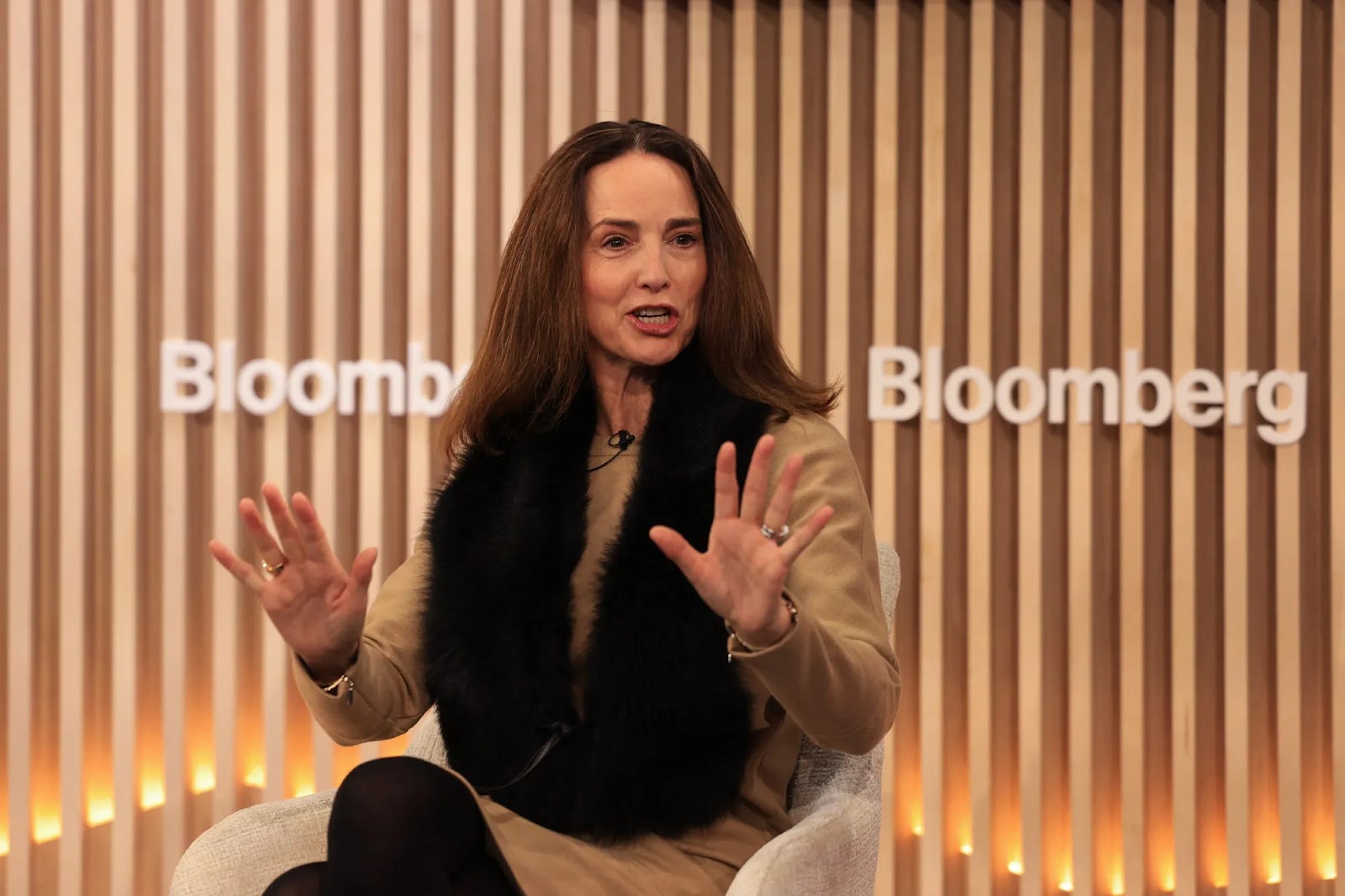
In his first 24 hours back in office, Donald Trump signaled a dramatic shift in US AI policy by rescinding Biden's executive order on AI safety and announcing a massive joint venture between SoftBank Group, OpenAI, and Oracle Corp. While Biden's administration had sought to balance AI development with safety measures, Trump's approach emphasizes rapid development with fewer regulations. The joint venture, which plans to immediately deploy $100 billion with a goal of reaching $500 billion in AI projects, will focus on building data centers and physical campuses, with SoftBank's Masayoshi Son calling it "the beginning of a golden age."
The move has received mixed reactions, with tech leaders at Davos generally expressing optimism about Trump's pro-growth stance, while others warn about the risks of reduced oversight. The policy shift also marks a departure from Europe's stricter approach to AI regulation and appears primarily motivated by concerns about competition with China. Trump's team, which includes advisors like Elon Musk and David Sacks, is expected to issue a new, less restrictive executive order on AI and relax clean energy requirements for data centers, potentially creating tension with tech companies' own climate commitments.
Economics — The Brits Are Spooking the Market

The Economists
Six months into Britain's Labour government, economic troubles are mounting as 30-year gilt yields have reached their highest point in nearly three decades and sterling has fallen sharply. While Chancellor Rachel Reeves attributes the market volatility to global factors, particularly pointing to the impact of Trump's policies on Treasury yields, critics note that British gilt yields have risen more dramatically than other countries' bonds, suggesting specific concerns about Britain's ability to control government debt. This has been exacerbated by Reeves's October budget, which featured significant borrowing.
The situation is further complicated by widespread business dissatisfaction, with firms bristling at the government's £25 billion increase in employers' national insurance, new labor regulations, and a higher minimum wage set to take effect in April. Major retailers including Boots, Next, and Tesco have warned of inevitable job losses and price increases, while business confidence has plummeted to levels last seen during Liz Truss's brief premiership. Despite Labour's declaration that "growth is the number-one mission," their approach has been criticized as piecemeal, with limited progress on tax reform, Brexit trade negotiations, and delivering the promised "stability dividend" that was meant to attract investment.
Health — Canada Has Adopted Assisted Dying Faster Than Anywhere Else

The Economists
In a significant expansion of Canada's assisted dying laws, Quebec now allows patients with deteriorating illnesses to request medical assistance in dying (MAID) in advance of their mental decline, as exemplified by 45-year-old Sandra Demontigny, who has early-onset Alzheimer's. This development comes as Canada has seen the fastest growth in assisted dying of any country that permits it, with numbers rising from 1,000 in 2016 to 15,343 (4.7% of all deaths) in 2023, with Quebec leading at 7.2% of deaths. While the practice has strong public support (86% in Quebec) and practitioners like retired neurosurgeon Georges L'Espérance report positive experiences with patients, critics raise concerns about access to palliative care alternatives and worry that some patients may choose MAID due to inadequacies in the public healthcare system, particularly noting that those opting for MAID tend to come from areas with poor access to housing and labor markets.
Food — Sakura Mochi
Sakura Mochi is a springtime Japanese dessert featuring a pink-hued sticky rice cake filled with sweet red bean paste and wrapped in a pickled cherry blossom leaf. This traditional treat, which combines sweet and salty flavors, is particularly popular during Girls' Day celebrations and hanami (cherry blossom viewing) season.

Song Recommendation — One Thing (One Direction)
Quote of the Day
“I have always thought the action of men are the best interpreters of their thoughts.” — John Locke
I don’t I don’t don’t what it is, but I need that one thing… and you got that, one thing!