

Israel Has These Four Options For Attacking Iran
Israel is contemplating a military response to Iran following a recent missile attack that involved 181 ballistic missiles aimed at Israeli territory. Historically, Israeli leaders have hesitated to act without full cabinet approval, but the current political climate suggests a more aggressive stance. Prime Minister Benjamin Netanyahu is reportedly backed by a cabinet eager for action, and military leaders are less opposed than in previous years. Four potential targets for retaliation have been identified: Iran's nuclear facilities, economic infrastructure such as oil terminals, key leadership figures, and missile bases. Each option carries significant implications for regional stability and Israel's strategic posture.
The most pressing consideration is whether an attack on Iran's nuclear sites would be effective. While Netanyahu has long favored targeting these facilities, experts caution that Israel may not achieve substantial long-term damage due to the deep fortifications of these sites. Striking Iran's oil infrastructure could severely impact its economy and potentially incite internal unrest, while targeting leadership figures poses risks of retaliation and uncertainty regarding succession. Additionally, there are concerns about the timing of any military action; U.S. President Joe Biden has expressed opposition to strikes that could escalate tensions or disrupt global oil markets. As Israel weighs its options, internal divisions among military leaders highlight the complexities of navigating a potential conflict with Iran while already engaged in operations against Hamas and Hezbollah.
Can Israel’s Mighty Tech Industry Withstand A Wide War?
Getty Image
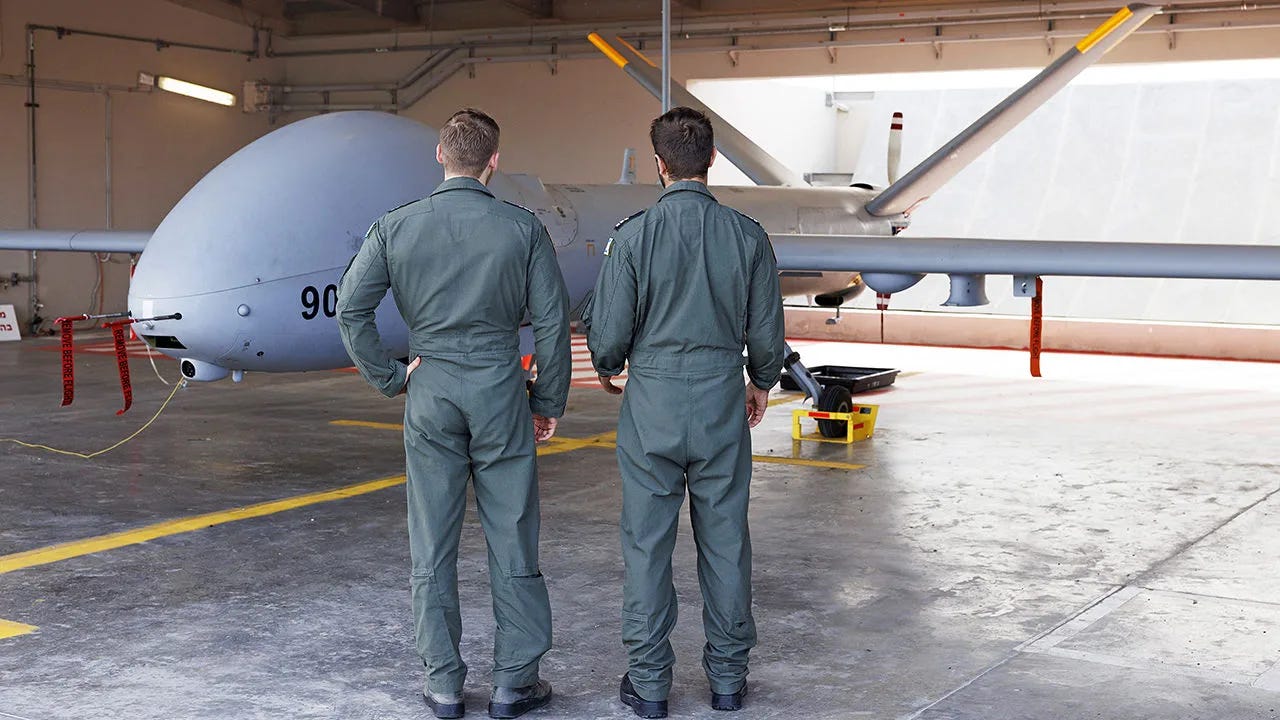
Following Hamas's attack on October 7, 2023, Israel's tech sector faced significant challenges, with about one-third of the workforce at drone communications company Elsight called to military duty. Despite this upheaval, the sector has shown remarkable resilience, rebounding from a drop in venture-capital funding to secure $4.4 billion in the second quarter of 2024. This recovery is partly attributed to increased defense spending and the sector's historical adaptability during conflicts. Israel's emphasis on research and development, coupled with strong ties between tech firms and the military, has fostered innovation, particularly in cybersecurity and medical technology. However, some companies, especially those directly serving consumers, are experiencing strain, leading to layoffs and uncertainty about future growth.
While Israeli tech firms have generally thrived amidst the ongoing conflict, concerns about long-term sustainability remain. The high-tech industry accounts for over half of Israel's exports and a significant portion of tax revenue, making its health crucial to the national economy. Although investment activity has persisted, employment growth has stalled, raising alarms about potential declines in income tax revenue as military needs take precedence. With foreign firms withdrawing operations and local startups struggling for funding, experts warn that prolonged conflict could inflict lasting damage on this vital sector. The Israeli government is urged to implement measures to support smaller startups and diversify investments to ensure continued growth and innovation in the tech landscape.
Enjoy your Sunday and Americano!