

You’re scrolling through Instagram, eyeing that new Coach bag your friend just posted, when your stomach growls. You think about grabbing Chipotle for dinner, but then you remember—you’ve been to that same Chipotle three times already this week, and your bank account is giving you the side-eye. So you close the app, head to your kitchen, and make yet another bowl of instant ramen. But that Coach bag? You add it to your cart anyway.
If this sounds familiar, you’re not imagining things. There’s a genuine disconnect happening in how our generation spends money right now, and it’s honestly kind of wild. We’re collectively cutting back on those $10 burrito bowls and daily coffee runs, but somehow, luxury handbags and expensive perfumes are flying off the shelves.
Coach is literally having a moment with Gen Z again—so much so that the Wall Street Journal wrote an entire piece about it. Lululemon is packed with twenty-somethings dropping hundreds on leggings. Meanwhile, Chipotle and CAVA are watching their Gen Z customer base shrink in real time. So what’s going on? Why are we giving up affordable everyday treats but splurging on things that cost ten times as much? The answer is more human—and more economically sound—than you might think.
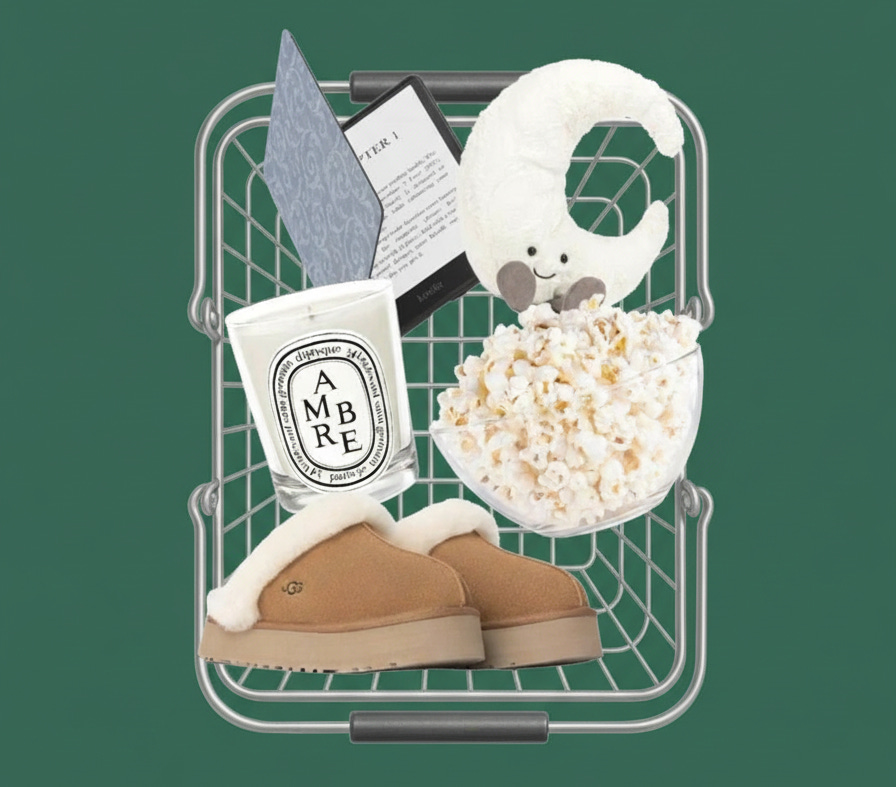
Let’s start with the uncomfortable truth: we’re all stressed about money right now. If you’ve been feeling anxious about the economy lately, you’re not alone—consumer sentiment surveys show that our collective economic outlook is as low as it was during the worst parts of COVID in 2022. That pervasive anxiety isn’t coming from nowhere. The job market feels like a minefield right now. Amazon announced massive layoffs, HP followed right behind them, and the list keeps growing. Even if you have a job, finding a new one is rough—one in four unemployed people has a college degree, which tells you something about how competitive things have gotten. Wage growth is slowing down just as everything else seems to be getting more expensive.
Then there’s the tariff situation creating chaos in markets and making it nearly impossible for companies—or any of us, really—to plan for the future. When you can’t predict what things will cost next month or whether your job will still exist next quarter, it’s hard to feel optimistic or in control. The only bright spot has been the stock market, with the S&P 500 and TSX both up significantly this year. But here’s the thing: that really only helps people who already have substantial investments and savings. For most of us just starting our careers, watching the stock market soar feels like being invited to a party we can’t afford to attend. The wealth boost from rising stock prices is going to older generations with established portfolios, not to Gen Zers trying to pay off student loans and build an emergency fund.
Given all this economic stress, it makes perfect sense that we’re pulling back on discretionary spending. Chipotle’s CEO Scott Boatwright openly acknowledged in their earnings call that younger customers, especially those between 25 and 35, are visiting less frequently. CAVA’s CFO Tricia Tolivar told CNBC that they’ve seen demand drop among their core young adult demographic, pointing to higher unemployment rates among younger workers, the resumption of student loan payments, and general economic uncertainty as the culprits. When every dollar counts and the future feels shaky, spending $15 on lunch suddenly feels less like a casual decision and more like a financial choice you need to justify.
But here’s where it gets interesting—and paradoxical. While we’re cutting back on Chipotle, we’re absolutely not cutting back on everything. Tapestry, the parent company of Coach, just reported that their net income jumped to nearly $275 million in their most recent quarter, up from $186 million the year before. They raised their full-year revenue forecast to $7.3 billion, citing strong performance with younger consumers. At the same time, fragrance sales in America shot up 17% from January to September this year. We’re not just buying any perfume either—we’re gravitating toward prestige products, the kind that come in beautiful bottles and make us feel like we have our lives together, even when we definitely don’t.

This pattern has a name, and it’s been around longer than you might think. It’s called the “lipstick effect,” and it was coined by Leonard Lauder, the chairman of Estée Lauder, back in 2001. After the September 11th attacks, Lauder noticed something curious: lipstick sales had jumped 11% despite the economic devastation and widespread anxiety. People were scared, uncertain about the future, and cutting back on big purchases, but they were still buying lipstick. The economist Juliet Schor had actually identified this trend even earlier in 1998, noting that during tough economic times, people gravitate toward small, visible luxuries that provide an emotional boost without breaking the bank.
The psychology behind this makes sense when you think about it. When everything feels out of control—when you can’t predict if you’ll get that job interview, when tariffs might make your rent effectively more expensive, when your student loan payment hits your account every month—you need something to make you feel good. Something to make you feel like you’re still moving forward, still treating yourself, still worthy of nice things. A $50 lipstick or a $80 perfume becomes more than just a purchase; it’s a small act of defiance against economic anxiety. It’s a way of saying, “Things might be uncertain, but I still deserve this.”
During the Great Recession, studies confirmed that cosmetic spending increased as people looked for affordable ways to boost morale. Sometimes it wasn’t even lipstick specifically—nail polish and fragrances would surge instead, whatever provided that psychological lift. The effect briefly faltered during the worst of the late-2000s recession, making some economists question its reliability, but it came roaring back during COVID-19 and has persisted through our current inflation period. Now, in 2025, amid recession signals and shrinking consumer spending in some categories, prestige lip products have grown 16% in the first half of the year. Lip liners alone are up 38%. Searches for lip treatments and balms have skyrocketed 327%.
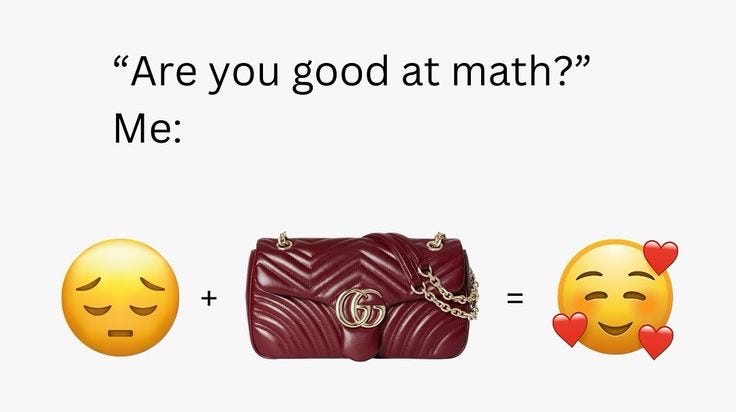
The modern version of this phenomenon has evolved into what some are calling “treatonomics”—the idea that Gen Z is finding creative ways to treat ourselves that feel luxurious but are often more affordable than traditional big-ticket items. It’s not just lipstick anymore; it’s that overpriced matcha latte, those limited-edition sneakers, or yes, that Coach bag you’ve been eyeing. These purchases serve a dual purpose: they provide genuine joy and they signal to the outside world (and to ourselves) that we’re doing okay, that we have our lives together, even when internally everything feels messy and uncertain.
I see this constantly among my friends. One of them recently complained about how expensive eating out has become and how she’s been cooking at home more, only to casually mention she just bought her first Coach bag and is planning to drop hundreds more on Lululemon. On the surface, it seems contradictory. But when you understand the psychological function these purchases serve, it makes perfect sense. The daily Chipotle bowl is routine, almost invisible spending that adds up without providing much emotional payoff. The Coach bag, though? That’s a statement. That’s something that makes you feel put-together when you carry it to a job interview or a date. It provides a sense of control and accomplishment that another burrito bowl simply can’t.
So if you’ve been feeling guilty about your own spending habits lately—if you’ve been confused about why you’re meal-prepping to save money but still somehow ended up with a cart full of expensive skincare products—take a breath. You’re not being irrational. You’re not alone. This behavior is so common and so well-documented that economists have been studying it for decades. It’s fundamentally human to seek out small sources of joy and control when the bigger picture feels overwhelming and uncertain.
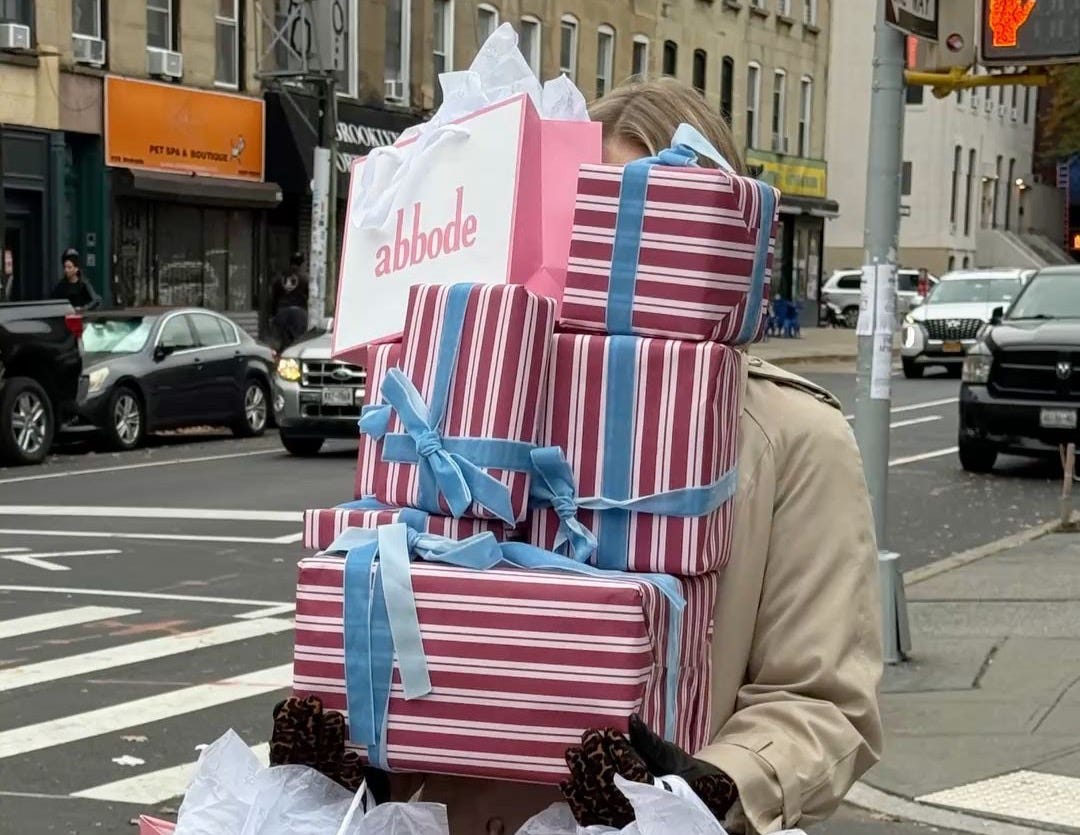
Here’s the thing that might surprise you: despite all the economic anxiety and the belt-tightening on everyday expenses, economists are actually predicting that overall retail spending during the holiday season will increase this year. Shannon Grein, an economist at Wells Fargo, believes that “a longing for comfort will help keep overall holiday sales elevated.” Her team predicts nominal retail spending in November and December will be 3.5-4% higher than last year, comfortably above inflation. We might be skipping lunch out and choosing cheaper dinner options, but we’re still finding ways to spend on things that matter to us, that bring us comfort, that make us feel human.
So whether you’re someone who’s been cutting back aggressively, cooking every meal at home and feeling guilty about even small indulgences, or you’re someone who’s been treating yourself more frequently to offset the stress—both approaches are valid. You don’t need to feel bad about spending on things that genuinely bring you joy during uncertain times, and you don’t need to feel bad about prioritizing financial security by cutting back. The paradox of treatonomics is that it’s not really a paradox at all. It’s just us, collectively, trying to find balance between present happiness and future stability in a world that feels increasingly unpredictable. And honestly? That’s probably the most Gen Z thing we could possibly do.
In this economic uncertainty, gotta at least look and feel bonita✨💄💋