

World News — Trump Terminated Tariff Negotiation With Canada
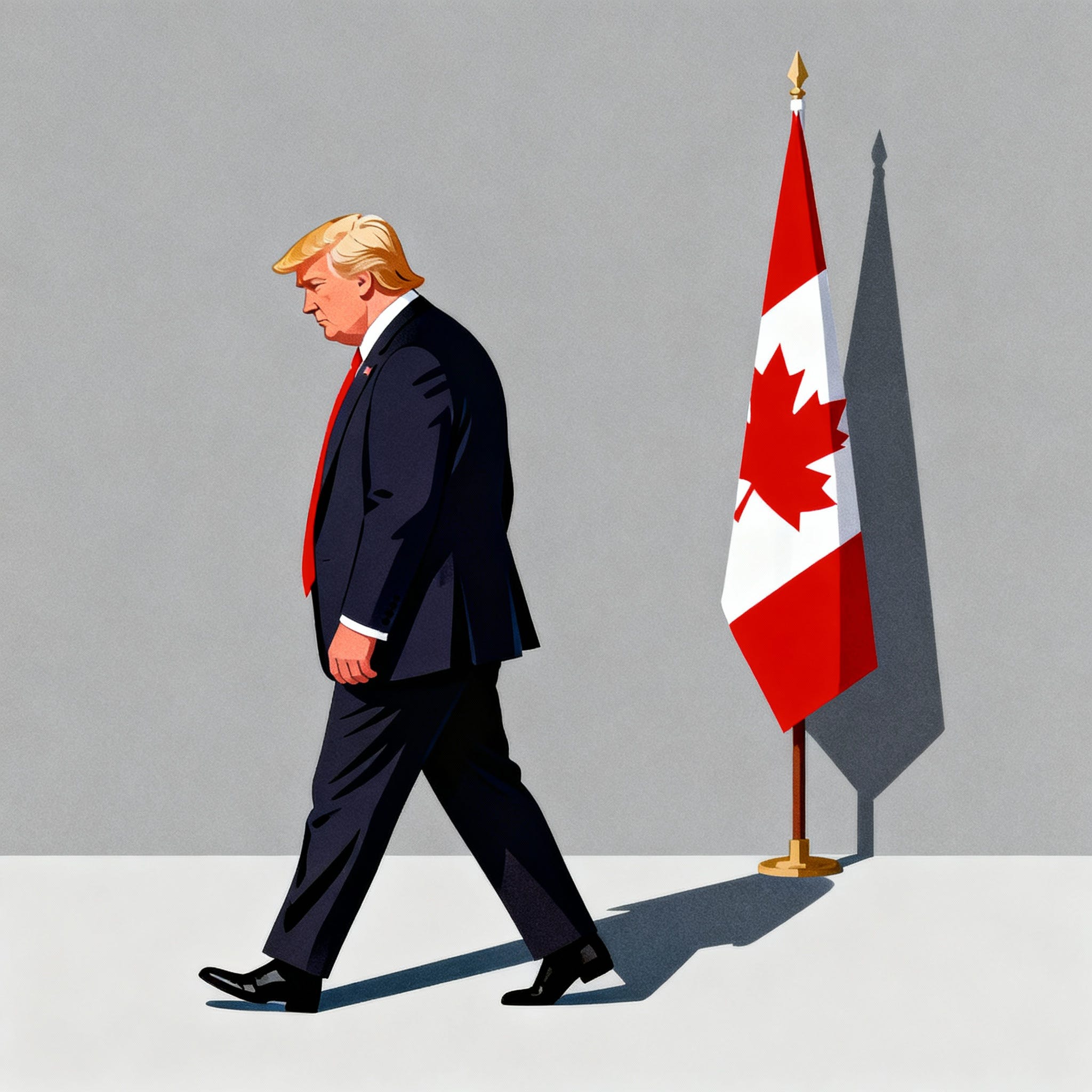
Image: Perplexity
President Donald Trump announced he was ending trade negotiations with Canada after the province of Ontario aired anti-tariff advertisements in the United States featuring the voice of former Republican President Ronald Reagan. In a Truth Social post on Thursday night, Trump called Canada’s behavior “egregious” and declared tariffs crucial to U.S. national security and economy, suggesting the ads were intended to interfere with ongoing Supreme Court cases examining the legality of his import levies. The move threatens to rupture Trump’s relationship with Canadian Prime Minister Mark Carney, who had recently stabilized ties with Washington, though Ontario Premier Doug Ford defended the advertising campaign, saying he wanted to share Reagan’s views on tariffs with the American people. The breakdown in negotiations comes as Trump prepares for a trip to Asia where he plans to meet with Chinese President Xi Jinping to address escalating trade tensions with China.
To view the ad:
Tech — Microsoft Launches a Browser Similar to OpenAI’s Atlas
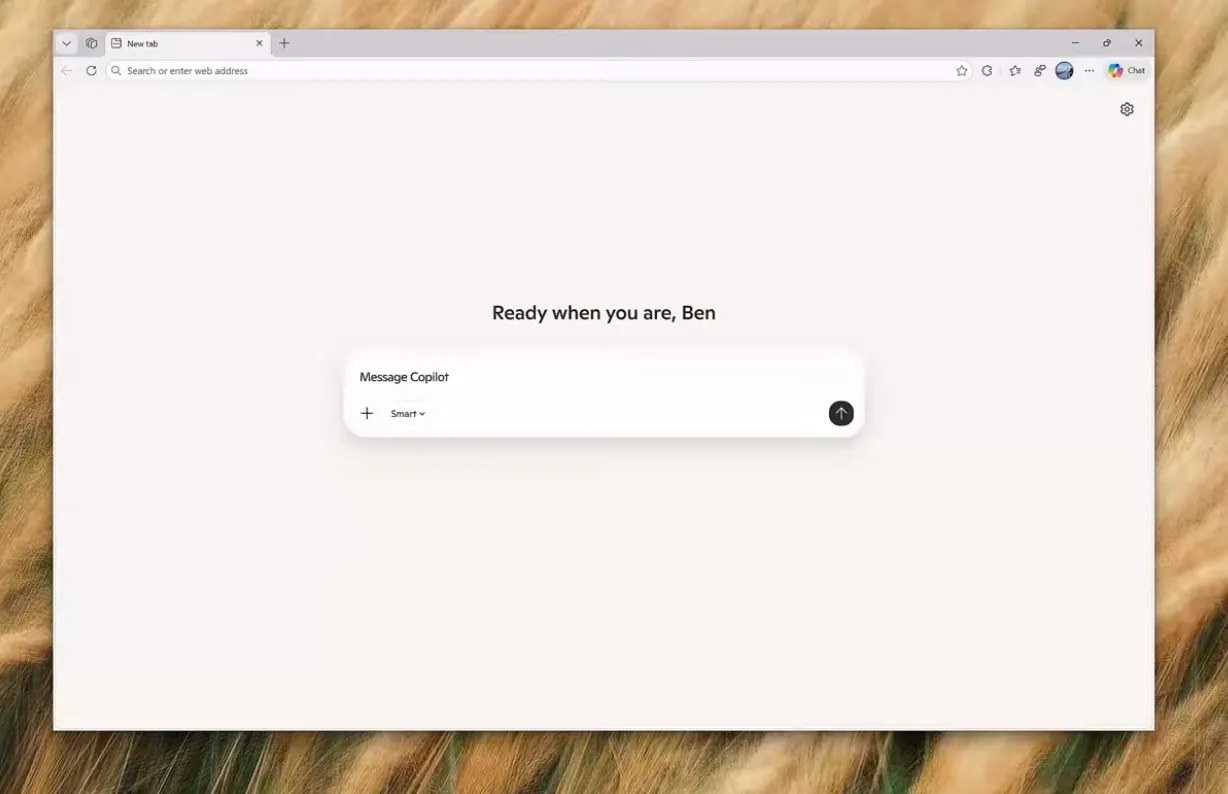
Image: Microsoft
Microsoft released an updated version of its Copilot Mode for the Edge browser on Thursday, introducing features that allow the AI assistant to perform actions like booking hotels and filling out forms, as well as tracing connections between open tabs through a feature called “Journeys.” The announcement came just two days after OpenAI launched its similar Atlas browser, and while Microsoft CEO Mustafa Suleyman described Copilot Mode as evolving into “an AI browser that is your dynamic, intelligent companion,” the visual and functional similarities between the two products are striking—both feature clean interfaces with chatbot windows integrated into new tab screens, differing mainly in aesthetic details like background shading and button placement. Though neither company invented the AI-assisted browser concept and Microsoft’s release had been scheduled for weeks, the near-simultaneous launches of such similar products highlight the intense competition in the AI race between the two companies, even as the underlying AI models powering each browser remain the key differentiator for users.
Economics — Why Copper Prices Are Soaring Despite Weak Demand

Image: Perplexity
Copper prices have surged to an 18-month high of over $10,600 per tonne in London, sparking a $50 billion merger between mining giants Anglo American and Teck Resources, but the rally appears disconnected from traditional supply-and-demand fundamentals and is instead driven primarily by President Trump’s trade policies. While some point to copper’s role in electric vehicles and AI data centers as demand drivers, analysts note that China’s construction slowdown could free up 2 million tonnes annually and newer electric cars use 10% less copper than earlier models, while supply disruptions from Indonesia’s Grasberg mine shutdown are insufficient to create a global deficit when balanced against unexpectedly high output from Chile’s Escondida mine. The real culprit behind the price surge is Trump’s 50% tariff on copper imports, which created massive arbitrage opportunities that have caused 340,000 tonnes of copper to accumulate in New York, combined with Federal Reserve interest rate cuts and a weaker dollar that have attracted large investment funds treating copper as a financial asset rather than an industrial commodity—a dynamic that could unravel quickly if China’s economy deteriorates further or extreme tariffs crush demand.
Culture — Microfinance in India: A Success Story Turns Sour
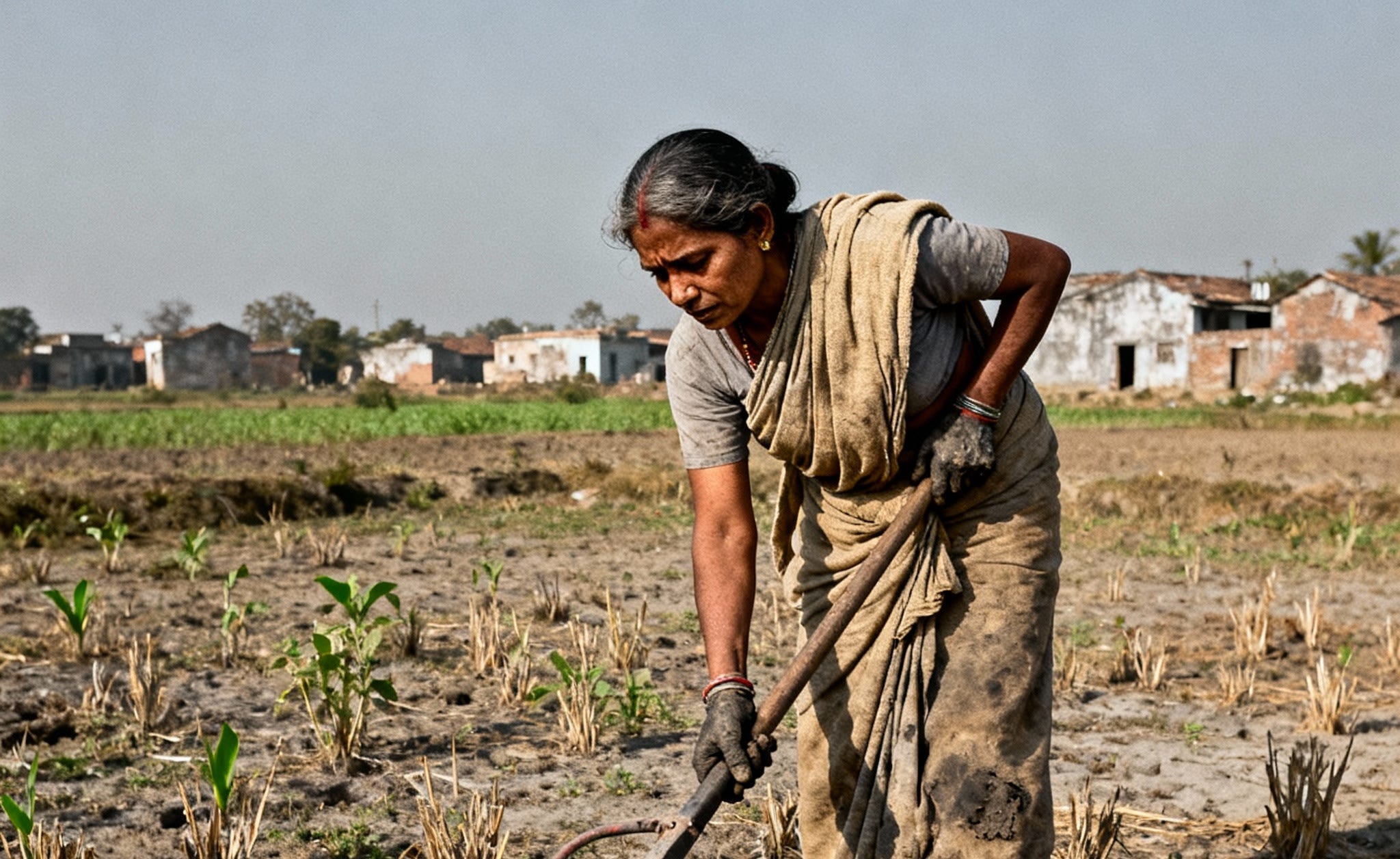
Image: Perplexity
India’s microfinance sector, which has provided $35 billion in collateral-free loans to 60 million borrowers—mostly poor women—and lifted millions out of poverty with near-95% repayment rates, is now facing a crisis driven by a confluence of economic and structural challenges. Rising defaults stem primarily from stagnant rural incomes (real wages fell 0.4% from 2019-2024) and increased food prices that forced borrowers to prioritize basic needs over loan repayments, while regulatory changes in 2022 that unified lending frameworks intensified competition and enabled over-borrowing, pushing delinquency rates above 6%—more than double previous levels.
The sector faces additional headwinds from political interference including rumored debt waivers that discourage repayment, operational difficulties such as last year’s brutal heatwave that disrupted cash-based home collections, high staff attrition to food-delivery companies, and restricted use of India’s Aadhaar ID system that allows duplicate borrowing, all compounded by banks reducing credit to the non-bank lenders that originate 40% of microloans. Listed microlenders have seen market values plummet by nearly 70%, total outstanding loans fell 17% year-on-year to $41 billion by June 2025, and industry representatives are seeking $2.2 billion in government-backed credit guarantees, though some insist the sector’s fundamentals remain strong despite the crisis threatening borrowers like tailor Shobha Devi who rely on these loans for business expansion and financial independence.
Chart of the Day
Quote of the Day
“No man is an island.” ― John Donne