

World Events — America Goes to War with Iran
FT
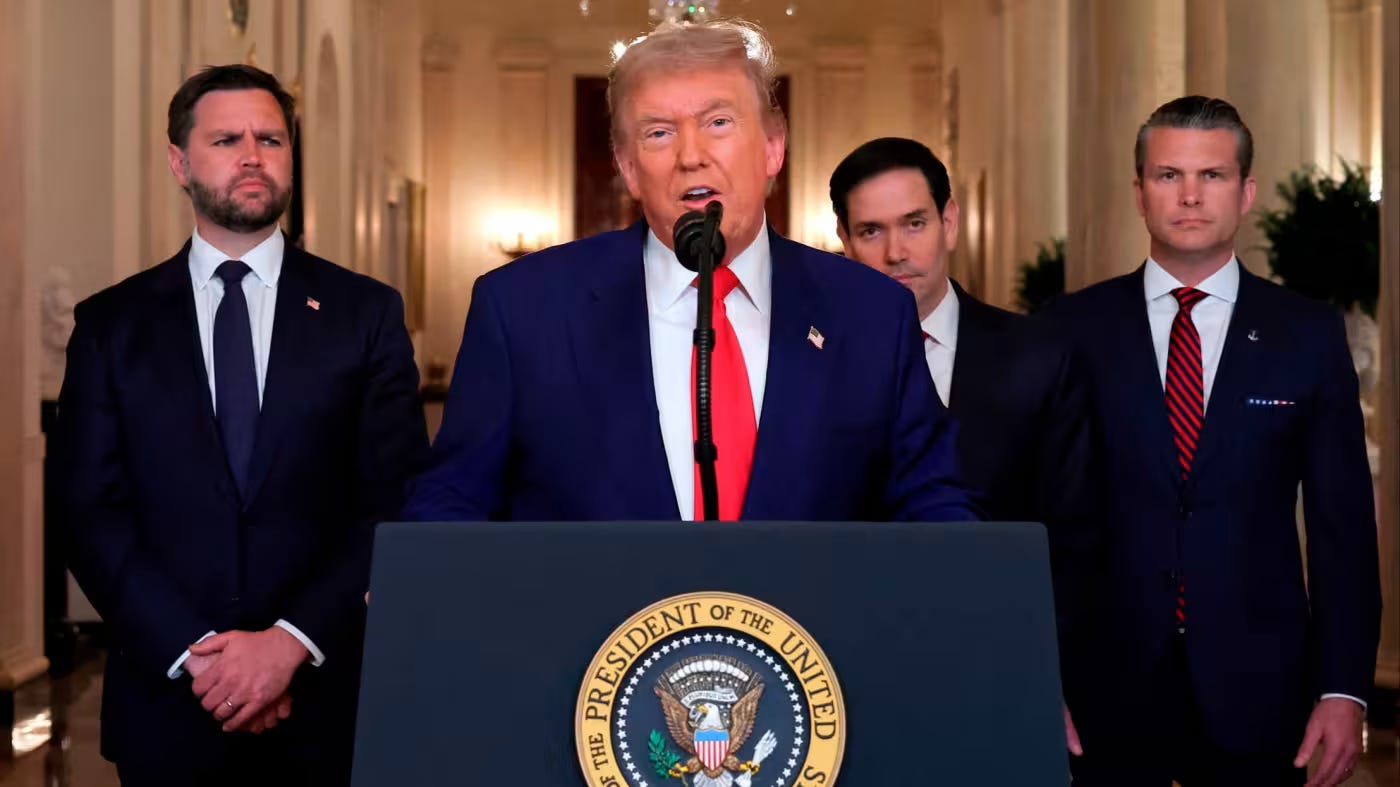
President Donald Trump’s decision to launch U.S. military strikes against Iran’s nuclear facilities marks a dramatic shift in his foreign policy and a major gamble for his presidency, as he joins Israel’s campaign to eliminate the Iranian nuclear threat despite previous promises to keep America out of costly foreign conflicts. Trump’s wager is that Iran and its regional proxies have been sufficiently weakened to allow for a limited, decisive intervention, and that Tehran—intimidated by the U.S. action—will seek peace rather than escalate retaliation. While the move has drawn praise from Republican leaders and could potentially cement Trump’s legacy as a strongman who achieves “peace through strength,” it also carries significant risks: inflaming the Middle East, endangering U.S. and Israeli security, and alienating a portion of his own base that opposes further military entanglement. Experts and lawmakers warn that the outcome remains uncertain, hinging on Iran’s response and the potential for broader conflict, with Democrats criticizing the unilateral action and questioning its legality and strategic rationale.
Tech — Tesla’s Robotaxi Goes Live
The Verge
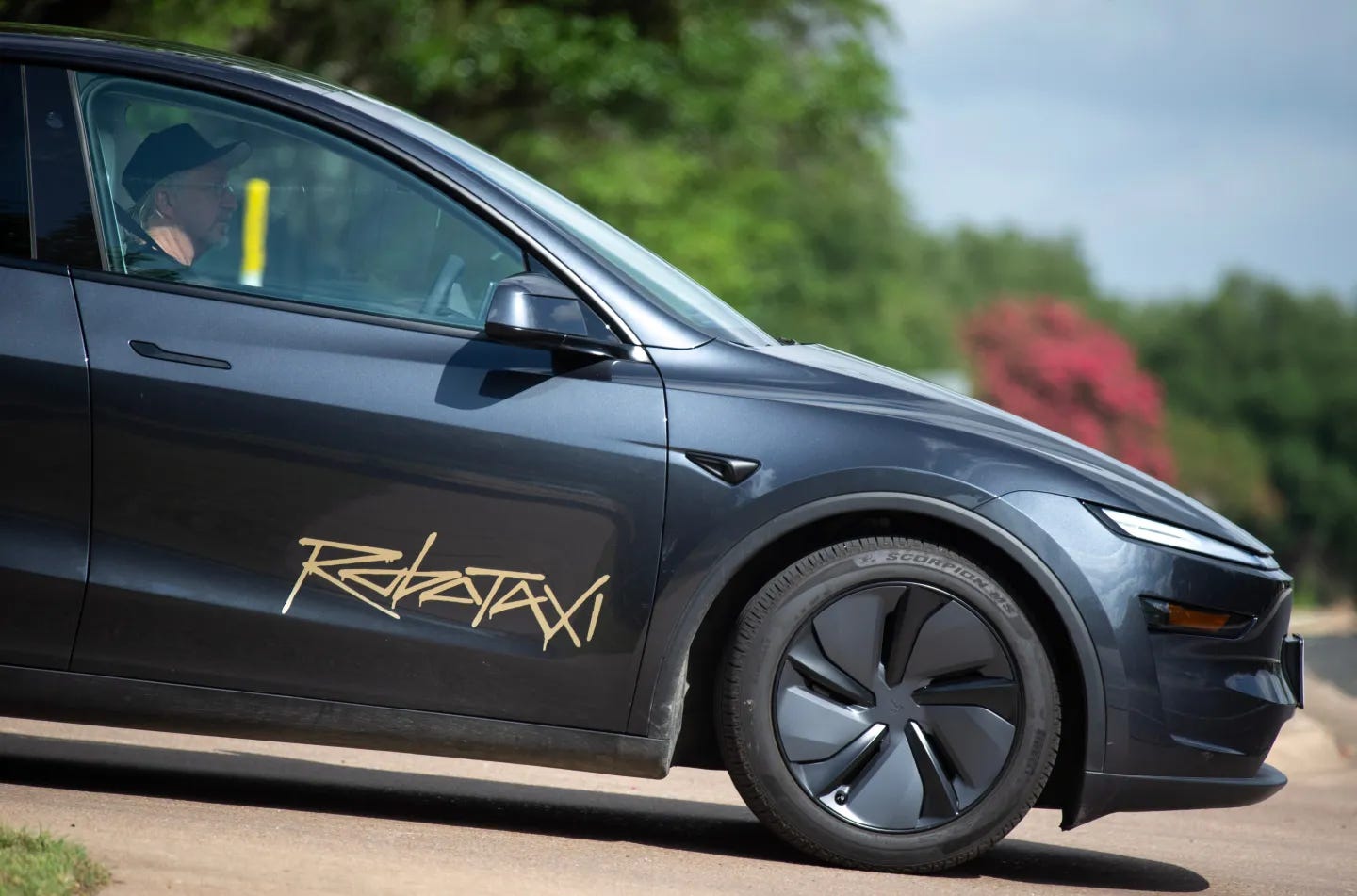
Tesla’s robotaxi service officially launched in Austin, Texas, on June 22, 2025, marking a long-awaited but limited step toward Elon Musk’s vision of autonomous ridesharing—though the initial rollout is far from the fully “unsupervised” dream Musk once promised, as each vehicle still features a Tesla-employed safety monitor in the passenger seat and the service is invite-only, targeting pro-Tesla influencers for feedback. The trial operates within a small, carefully mapped area of Austin with 10-20 branded Model Y vehicles and runs from 6 a.m. to midnight, avoiding highways, airports, and complex intersections, while some vehicles are also supported by remote operators and chase cars for added safety. Early reactions from testers, who livestreamed their experiences, described the rides as mostly smooth and uneventful, with a user interface reminiscent of Uber, though some struggled to find their pickup locations and noted that the safety monitors remained silent throughout the journey. Despite the cautious launch and positive initial impressions, questions remain about Tesla’s timeline for broader public access and its ability to scale the service, especially as competitors like Waymo already have much larger driverless fleets operating in multiple cities.
Economics — The Economics of US War with Iran
Bloomberg
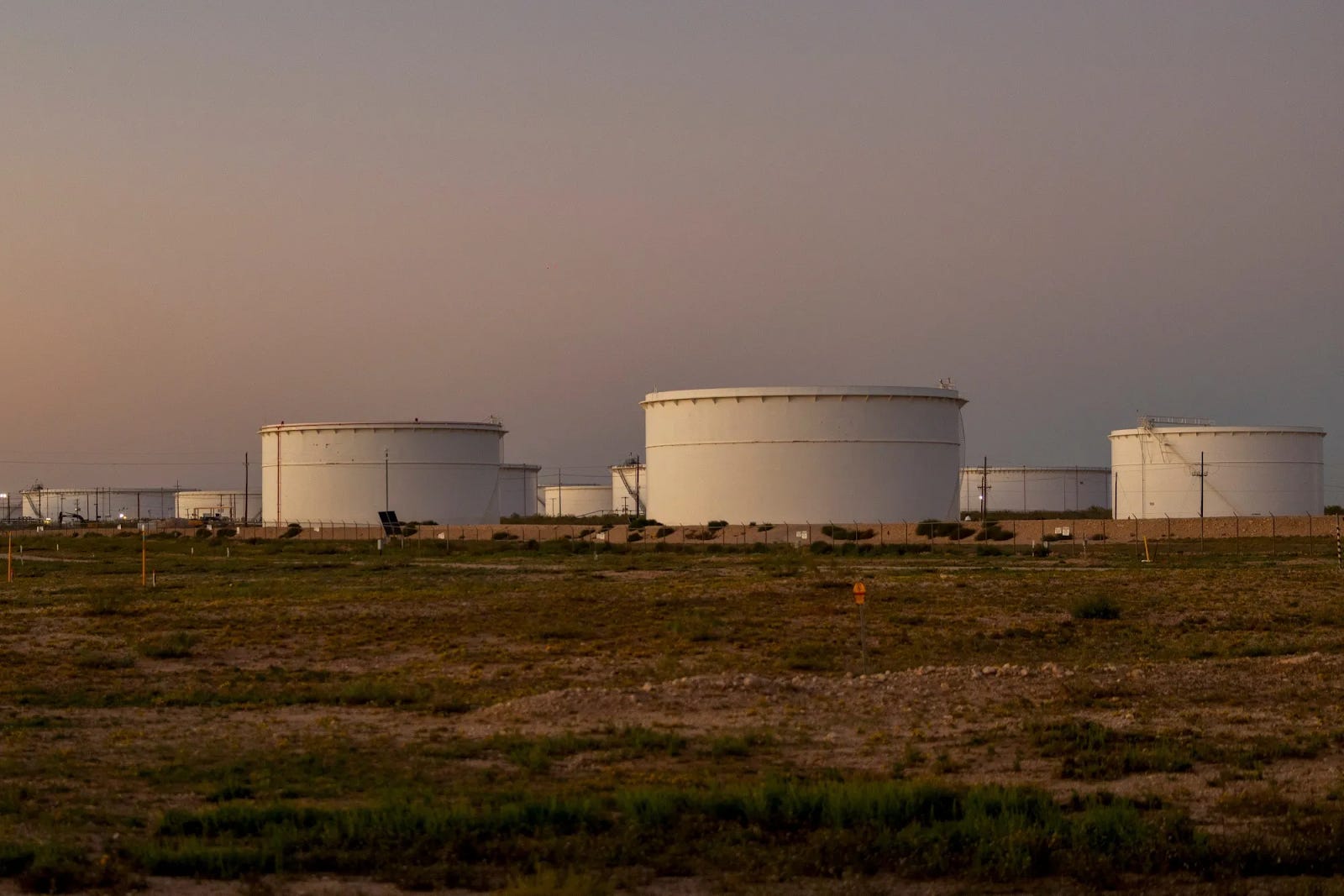
Oil surged and U.S. equity futures declined as markets reopened following U.S. strikes on Iran’s nuclear sites, with Brent crude rising as much as 5.7% before settling up 2% and S&P 500 futures down about 0.3%, while the dollar strengthened against most major currencies and Treasury yields edged higher as investors sought safety amid heightened geopolitical risk. The global focus remained on potential Iranian retaliation and the threat to oil flows through the Strait of Hormuz—a critical chokepoint for global crude—with analysts warning that a prolonged disruption could trigger a sharper spike in energy prices and renewed inflation pressures. Despite the initial market volatility, most early moves were pared back as investors awaited Iran’s next steps, though risk appetite stayed subdued and sectoral shifts were evident: Asian shipping and defense stocks rose on expectations of higher freight rates and military demand, while airline shares fell due to rising fuel costs. The broader market reaction has so far been relatively muted, reflecting both hedging by investors ahead of the strikes and the persistent uncertainty over how the conflict will evolve, with sentiment likely to remain fragile until the situation stabilizes.
Culture — How Are the Arab Countries Viewing of the War in the Middle East
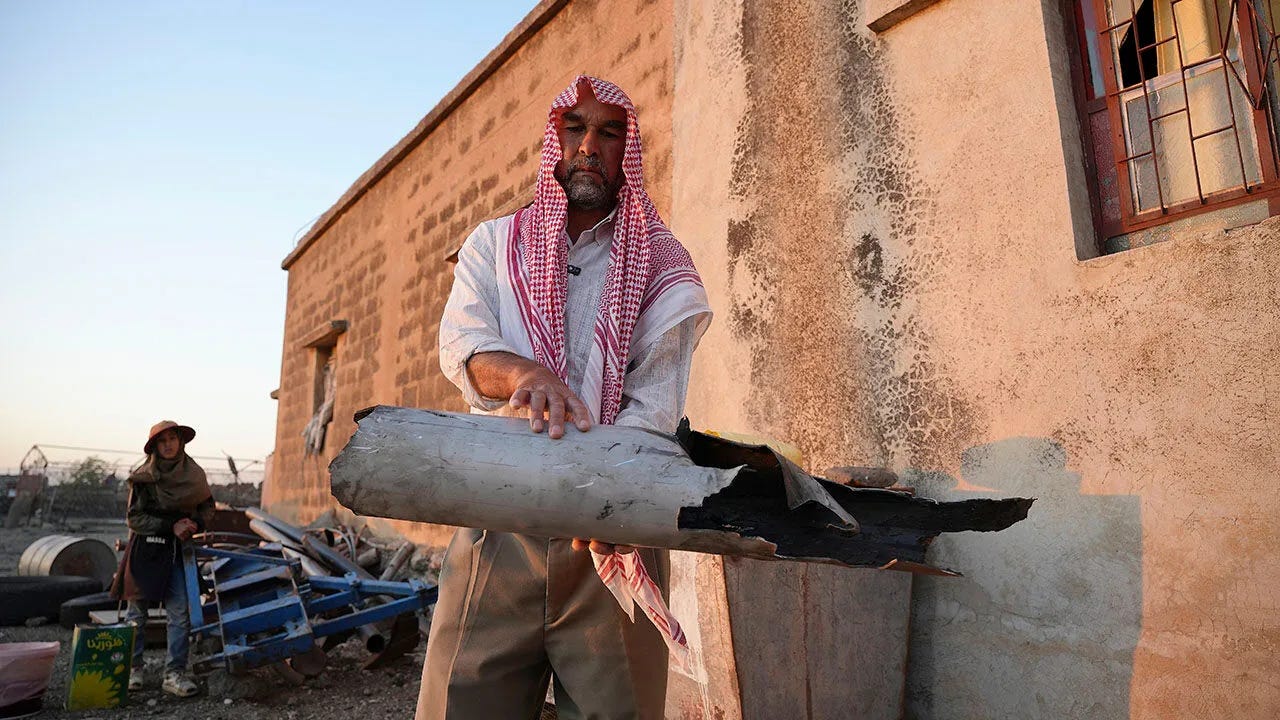
Across the Arab world, reactions to the Israel-Iran conflict are complex and often contradictory, with many people watching the escalating violence as if it were a spectator sport—some sharing social media clips of Iranian missiles soaring toward Israel, others simply relieved the fighting is not on their own soil. There is little sympathy for Israel, whose actions in Gaza have alienated even former Arab admirers, but neither is there widespread support for Iran, whose decades-long support for militias in Lebanon, Yemen, Iraq, and Syria has left it widely resented as a meddling hegemon.In countries like Syria, where Iran-backed forces propped up a brutal regime, there is open glee at Iran’s setbacks, while in the Gulf, governments are cautious, aware that a destabilized Iran could lash out and threaten their own security. Official Arab statements condemn Israeli aggression and call for de-escalation, but beneath the surface, many Arab leaders view Iran with suspicion and are wary of both Israeli and Iranian power, seeking above all to avoid being drawn into a conflict that threatens regional stability and their own interests.
The Daily Spark
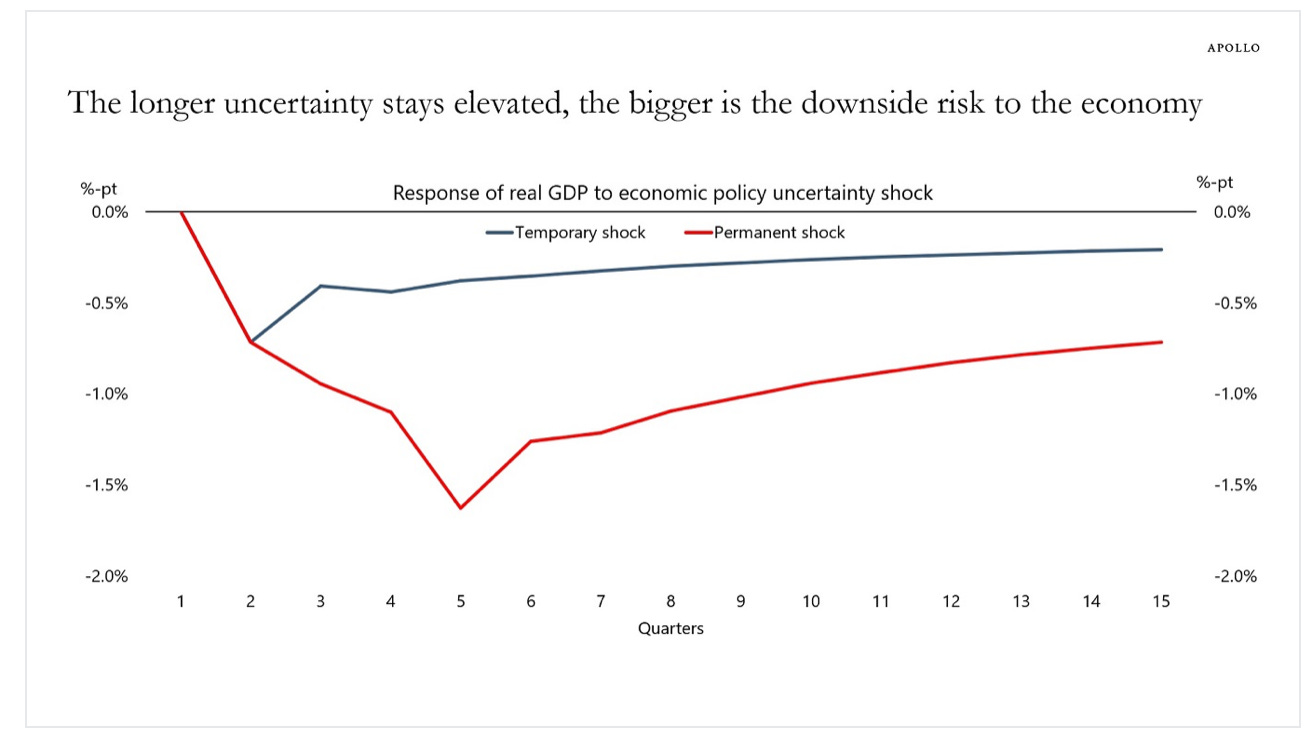
As we approach the Trump administration’s self-imposed 90-day deadline for trade deals, markets are starting to speculate about what comes next. The longer uncertainty remains elevated, the more negative its impact on the economy, as shown in the chart below.
Maybe the strategy is to maintain 30% tariffs on China and 10% tariffs on all other countries and then give all countries 12 months to lower non-tariff barriers and open up their economies to trade.
Extending the deadline one year would give countries and US domestic businesses time to adjust to the new world with permanently higher tariffs, and it would also result in an immediate decline in uncertainty, which would be positive for business planning, employment, and financial markets.
This would seem like a victory for the world and yet would produce $400 billion of annual revenue for US taxpayers. Trade partners will be happy with only 10% tariffs and US tax revenue will go up. Maybe the administration has outsmarted all of us.
Song Recommendation — Birds of feather (remix)
Quote of the Day
“You can bomb the world into pieces, but you can’t bomb it into peace.” – Michael Franti