

Recovery From Flu and Fever

To recover from the flu and restore your immune system effectively, a combination of proper nutrition, hydration, and rest is essential. Consuming a balanced diet rich in fruits, vegetables, lean proteins, and whole grains can significantly enhance immune function. Foods high in vitamins C and D, zinc, and antioxidants are particularly beneficial. For instance, citrus fruits, leafy greens, and nuts provide critical nutrients that help combat inflammation and bolster immune responses. Additionally, staying well-hydrated with fluids like water, herbal teas, and broths is crucial to prevent dehydration caused by fever and other flu symptoms.
Moreover, adequate rest and stress management play vital roles in recovery. Sleep is essential for immune health; adults should aim for seven to nine hours per night to support the body’s healing processes. Techniques such as meditation and deep breathing can help manage stress levels, which can otherwise impair immune function. If symptoms persist or worsen, consulting a healthcare provider for potential antiviral medications may be necessary to shorten the duration of illness. Overall, prioritizing these strategies can facilitate a quicker recovery from the flu and promote a robust immune system.
The Changing Balance of Power In the Middle East
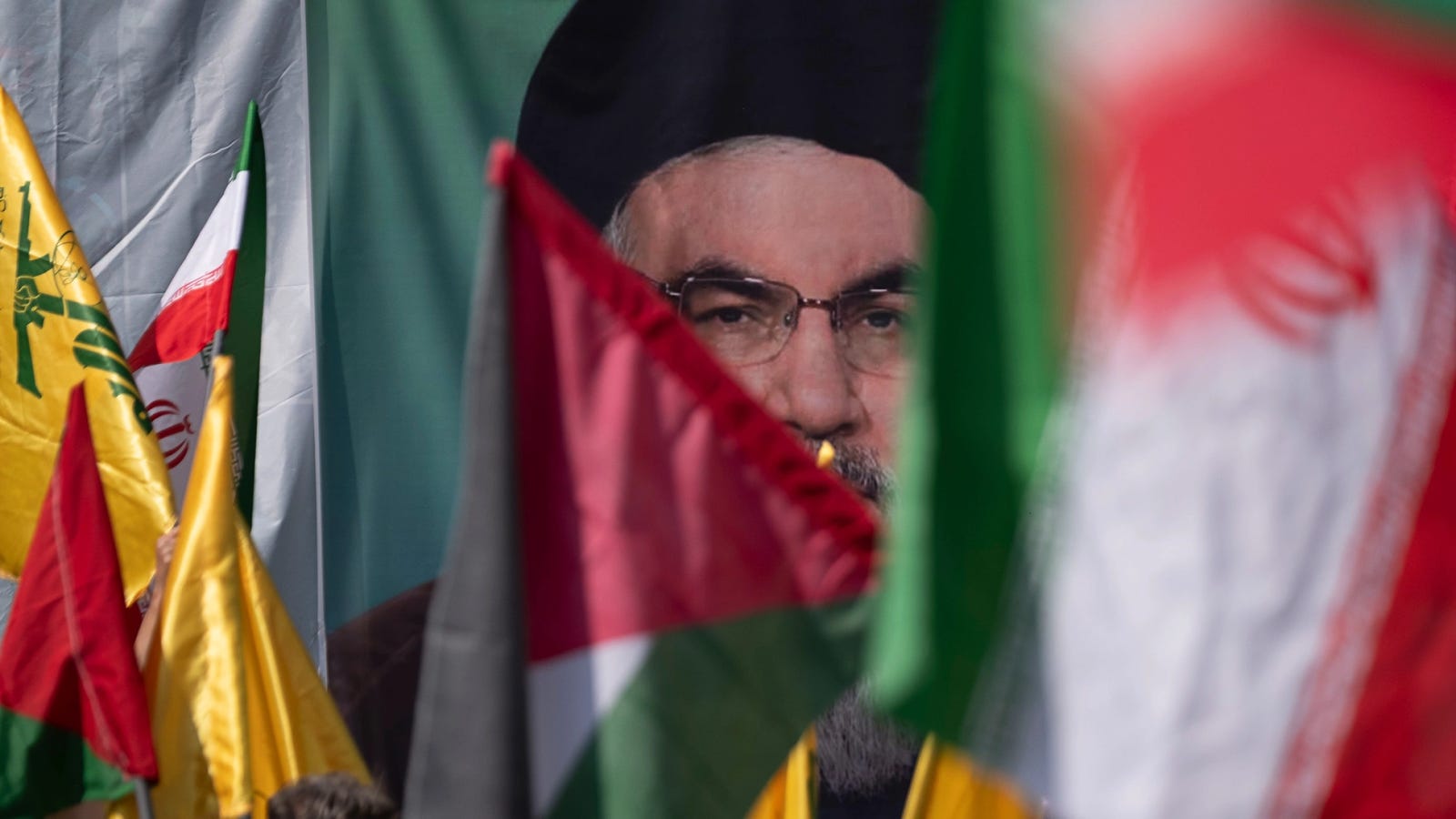
The recent assassination of Hassan Nasrallah, the leader of Hezbollah, marks a pivotal moment in Middle Eastern geopolitics. Following Israel's airstrikes targeting Hezbollah's strongholds in Lebanon, the group remained unusually silent for nearly 24 hours before confirming Nasrallah's death. This silence was broken only after Israel intensified its military operations, aiming to dismantle Hezbollah's missile capabilities. The aftermath saw Hezbollah retaliating with rocket fire into northern Israel, yet the group's internal disarray raises questions about its future leadership and strategic direction. The assassination is seen as a culmination of years of Israeli intelligence efforts to undermine Hezbollah, which has long been a critical ally of Iran in the region.
This event signifies a transformative shift in the balance of power within the Middle East. With Nasrallah's death, Iran's influence through Hezbollah faces unprecedented challenges, potentially prompting Tehran to reconsider its security strategies, including the pursuit of nuclear capabilities as a deterrent against Israeli aggression. As Iran grapples with its own internal issues and the implications of losing its most powerful proxy, there is a heightened risk of escalation in hostilities. The geopolitical landscape may be reshaped as regional actors reassess their alliances and strategies in response to this significant upheaval, suggesting that the consequences of Nasrallah's assassination could reverberate far beyond Lebanon and Israel, impacting the broader Middle Eastern power dynamics.
China’s Central Bank Comes to the Rescue
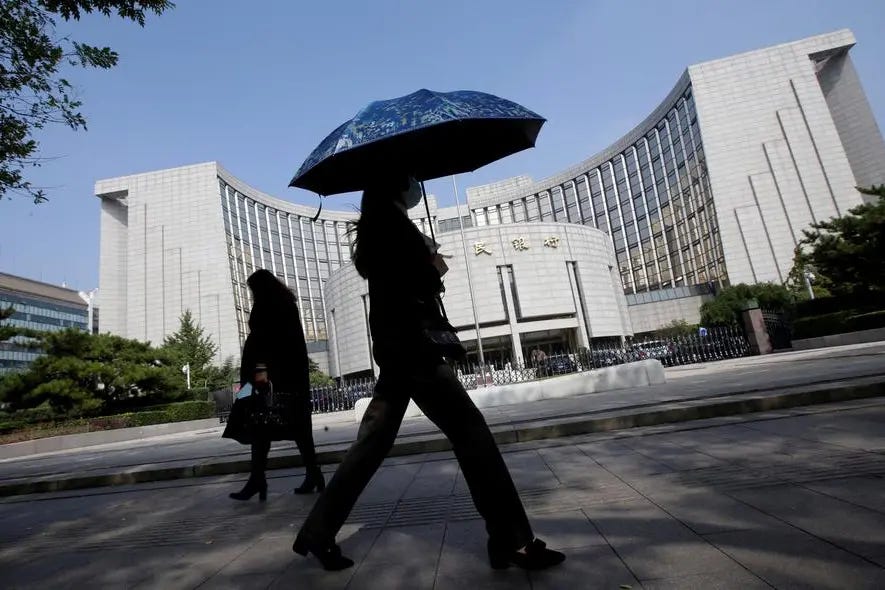
In a significant shift in economic policy, Chinese President Xi Jinping has initiated a series of stimulus measures aimed at revitalizing the country's struggling economy. This decision comes after the Federal Reserve's recent interest rate cuts. The People's Bank of China has lowered interest rates, reduced reserve requirements for banks, and introduced measures to alleviate mortgage costs for millions of households. These actions resulted in a notable surge in Chinese stock markets, marking the best week for stocks in 16 years. Additionally, the Politburo's recent meeting focused on addressing economic issues, indicating a rare acknowledgment of the country's deteriorating economic conditions.
This unprecedented stimulus signals a departure from Xi's previous reluctance to implement bold economic measures, reflecting the urgency of the current situation. The government plans to issue an additional 2 trillion yuan in bonds to support local governments and encourage consumer spending, including cash handouts for families. While these measures fall short of the extensive fiscal stimulus seen during the 2008 financial crisis, they represent a crucial response to China's economic woes. Analysts suggest that this move could be a rare signal of a more proactive approach to economic management, as officials are now compelled to act decisively to stabilize the economy amid rising discontent and declining growth prospects.
The Curse of the Michelin Star
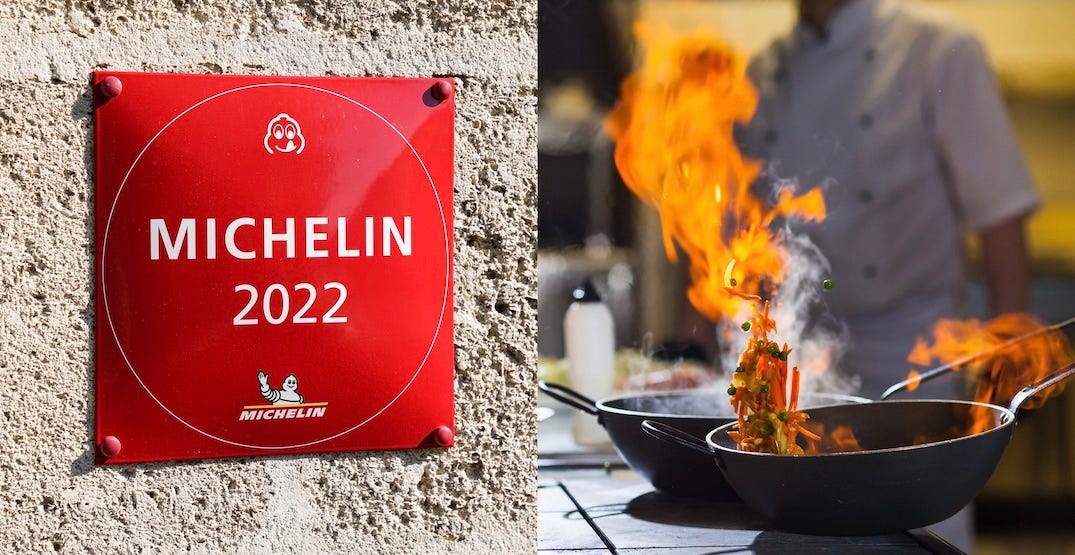
The recent addition of twelve new restaurants to the New York Michelin Guide highlights a significant moment in the culinary landscape. Being featured in the Michelin Guide is often seen as a precursor to receiving a Michelin star, a prestigious accolade in fine dining. However, research from Daniel Sands at University College London suggests that acquiring a Michelin star may not be as beneficial as it seems. His study tracked New York restaurants from 2000 to 2014 and found that those awarded Michelin stars were more likely to close than their starless counterparts. By the end of 2019, 40% of starred restaurants had shut down, indicating that the pressures associated with maintaining high standards and heightened consumer expectations can outweigh the benefits of increased visibility and prestige.
This phenomenon raises important questions about the sustainability of Michelin-starred establishments in an increasingly competitive and economically strained environment. The heightened expectations from diners, along with increased costs from suppliers and staff demands, create a challenging landscape for chefs and restaurateurs. As noted by critics and food experts, while a Michelin star can boost publicity—evidenced by a significant rise in Google searches for newly starred restaurants—it also places immense pressure on these establishments to continually innovate and meet elevated standards. The broader implications for the restaurant industry are concerning; as seen in various markets worldwide, many acclaimed restaurants have closed shortly after receiving their stars, suggesting that the pursuit of such accolades may sometimes come at the cost of long-term viability. This trend prompts a reevaluation of what it means to succeed in the culinary world today, where recognition might not always align with sustainability or profitability.
Recommended Readings:
Israel and Hezbollah Are Escalating Towards Catastrophe by Dana Stroul, Foreign Affairs
We welcome your suggestions on what we should include in the Weekend Special. Have a restful Sunday, and enjoy your Americano!