

You’re doom-scrolling at 2 AM, half-asleep, when you remember you need new running shoes. You open four different tabs—Nike, Adidas, Amazon, some sketchy discount site your roommate swears by. You compare prices, read reviews, check if your size is in stock, calculate shipping times because you need them by next week. Forty minutes later, you still haven’t bought anything. You’re paralyzed by choice, exhausted by comparison, and honestly? You just want someone to tell you what to buy.
What if I told you that in a few years, you won’t shop like this anymore?
What if an AI agent could do all of it for you—compare prices across every platform, know your preferences better than you do, negotiate deals, handle checkout, and have the shoes delivered before you even consciously realize you need them?
This isn’t science fiction. This is agentic commerce, and it’s already here. And just like your parents couldn’t imagine buying things without going to a physical store, you won’t be able to imagine the world we’re heading into. The question isn’t whether this future is coming. The question is whether you’ll understand it before it completely reshapes how you live.
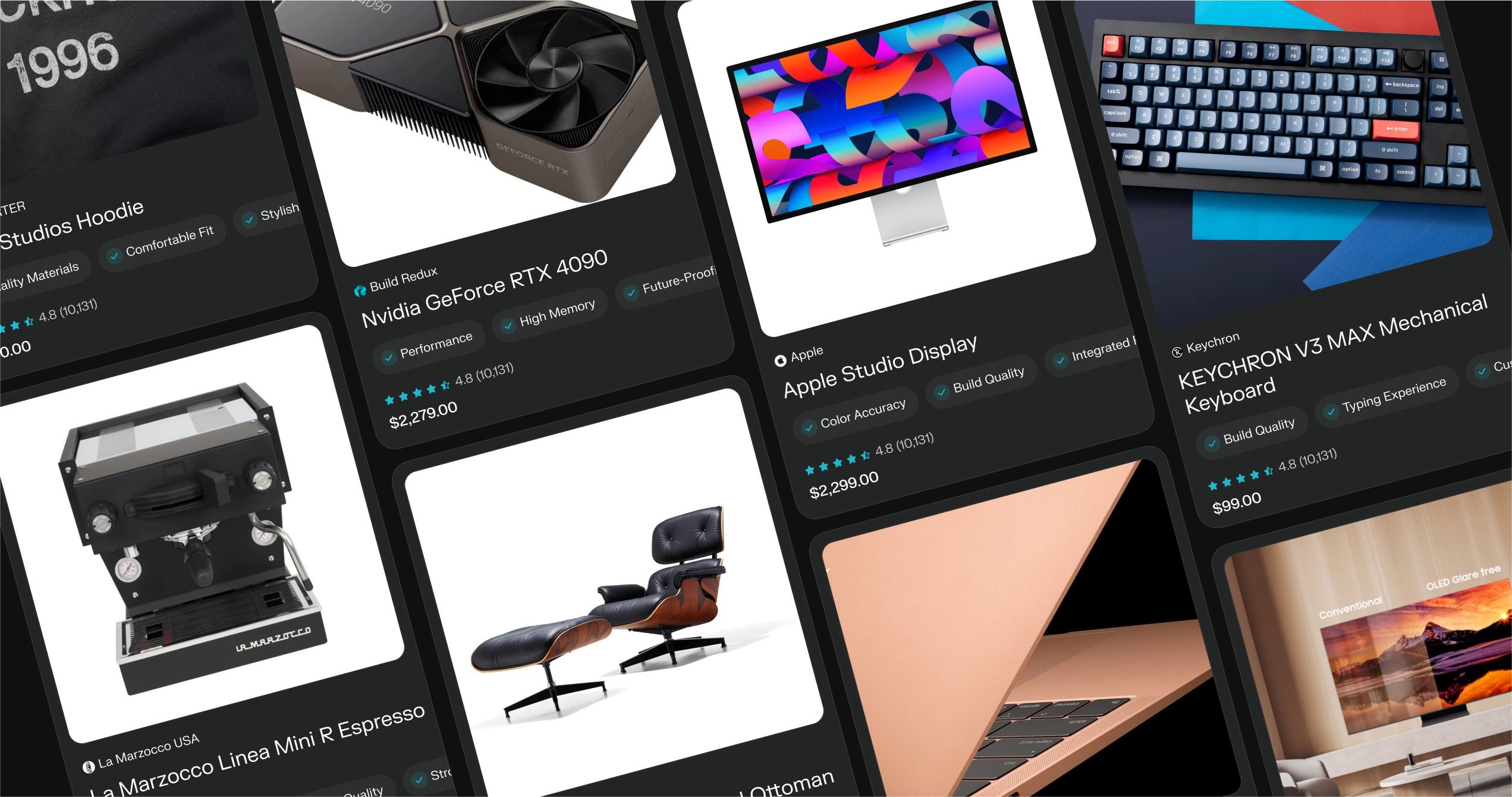
In 1999, only 100 million people were exploring this weird new thing called e-commerce. Most people thought buying things online was insane. A full 85% of internet users were terrified about privacy. 70% were convinced their credit cards would get stolen. Only 8%—a tiny minority of tech-savvy early adopters—actually made purchases online.
Think about how absurd that sounds now. You probably bought something on your phone this week without even thinking about it.
But here’s what people forget: early e-commerce was genuinely terrible. If you bought something online in 1994, you had to mail a check. Literally. Write a physical check, put it in an envelope, and mail it to a warehouse somewhere. Online payments didn’t exist until companies like Confinity (later rebranded as PayPal) and Stripe figured it out years later.
The technology was clunky. The experience was confusing. People were scared. But the ones who adopted it early? They shaped how the entire internet economy evolved. They understood something fundamental was shifting, even when the execution was rough.
We’re at that exact moment again. Except this time, it’s AI agents doing your shopping for you.
There are three ways agentic commerce works, and each one gets progressively more autonomous:
Agent-to-site: Your AI agent scans multiple platforms on your behalf. You tell it you need a hotel in Barcelona under $150/night with good wifi, and it searches every booking site, filters by your preferences, and shows you the top three options (all of them are in the basement, shocking I know). You still make the final call, but the grunt work is done.
Agent-to-agent: This is where it gets wild. Your personal shopping agent communicates directly with a retailer’s AI commerce agent. They negotiate. They transact. You’re not involved at all. Your agent knows you’re running low on coffee (it tracks your purchase history), knows you prefer fair-trade beans, knows your price threshold, and autonomously reorders before you even notice you’re out.
Brokered agent-to-site: Intermediary systems coordinate everything. Your restaurant-booking agent talks to OpenTable’s broker agent, which finds you a table at 7 PM, applies your loyalty discount, knows you’re vegetarian, and pre-orders an appetizer based on your past preferences. You just show up.
This represents a fundamental shift from vertical to horizontal commerce. Right now, you go to Amazon to shop, Expedia to book travel, DoorDash for food. That model is dying. In the agentic future, you have one interface, your AI agent, that handles everything across every platform.
Perplexity and OpenAI are already building this. Shopify is developing infrastructure that lets agents tap into its entire catalog and build carts across multiple merchants simultaneously. The technology isn’t theoretical. It’s live.
But this new technology comes with issues of trust. When you walk into a Target, the trust equation is simple. You see the product. You touch it. You read the label. You decide.
But when an AI agent shops on your behalf, trust becomes abstract. How do you know the AI is acting in your best interest? How do you know it’s not prioritizing merchants who paid for placement? How do you know it’s not steering you toward products with the highest commission?
You don’t.
And that’s the adoption barrier. Innovation moves faster than trust. The technology is ready. We’re not.
This is exactly what happened with early e-commerce. The tech worked, but people didn’t trust it. It took years of security improvements, buyer protection policies, and social proof before mass adoption happened. Agentic commerce will follow the same curve.

You are sitting on a goldmine, actually.
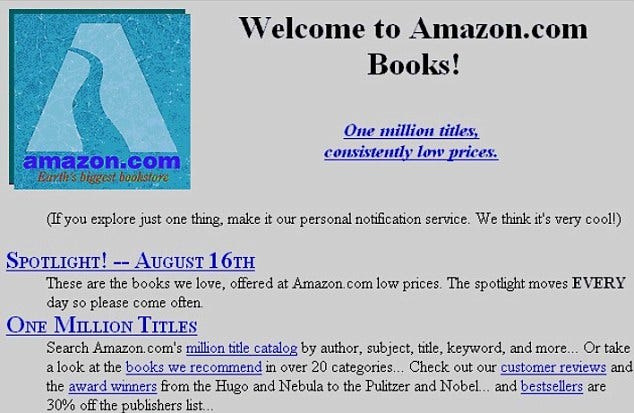
Your parents couldn’t imagine buying everything on a phone. In 1999, they thought the internet was just for buying books online. They didn’t see it was the entire structure of commerce and communication shifting underneath their feet. The people who recognized that early—who learned to code, who started blogs, who built online businesses—they shaped the world you inherited.
You’re living through that same moment with AI agents.
Apple didn’t release the iPhone until 2007. Uber wasn’t founded until 2009. The world transformed in less than two decades, and the people who thrived weren’t the smartest, they were the ones who paid attention and adopted new tools early, even when they were messy and unclear.
Agentic commerce will reshape how you shop, work, and make decisions. The skills that matter in 2030 will be different from now. The question is: are you learning them?
If not (yet), try Perplexity’s shopping feature. Use ChatGPT to compare products. Experiment with AI tools even when they’re clunky. Because in ten years, when this is just how commerce works, you’ll either be someone who saw it coming or someone scrambling to catch up.
And oh, and those running shoes you forgot about? Your AI agent already ordered them. They’ll be here Tuesday.