

World Events — Trump’s Tariff Talk With China
Bloomberg
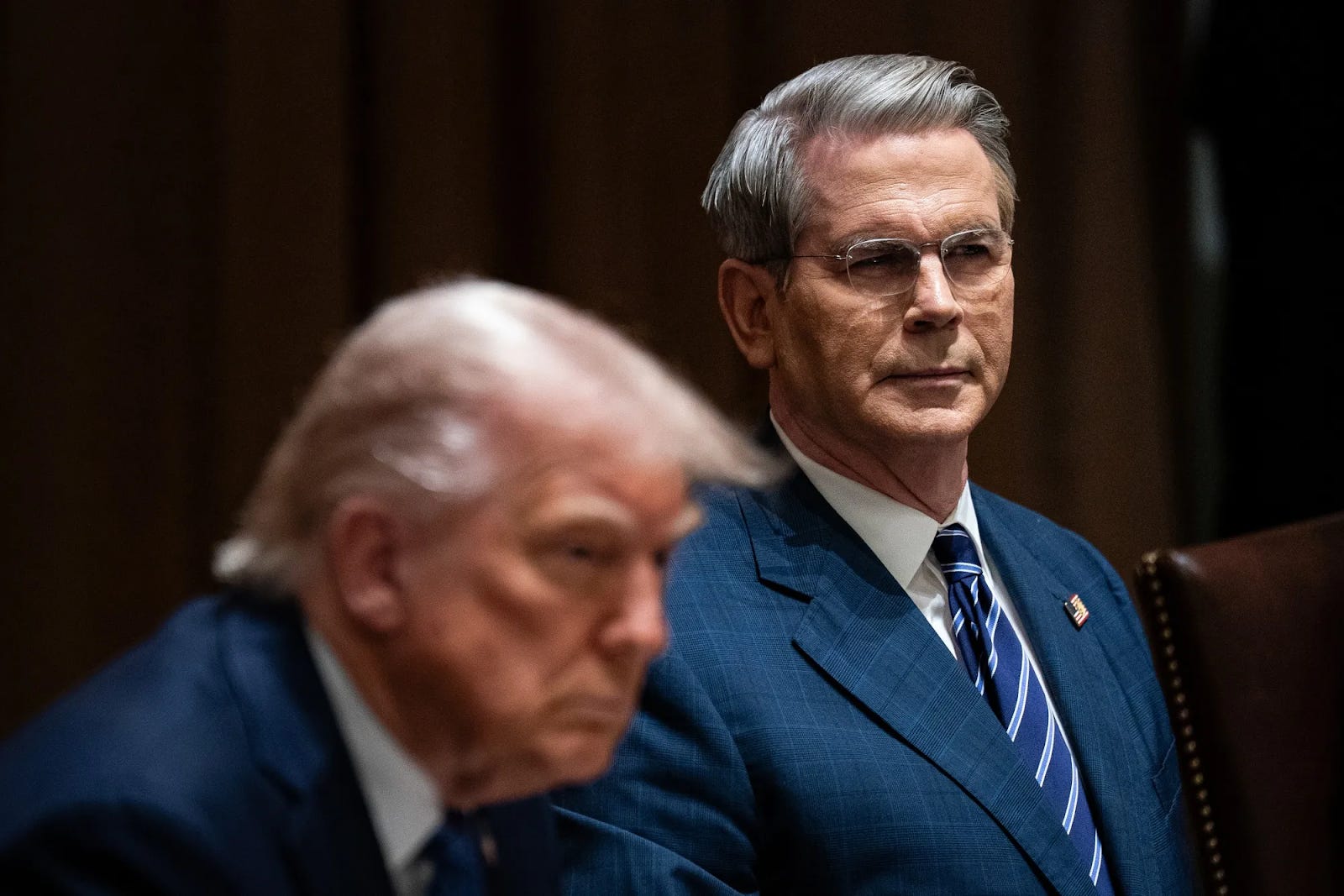
The Trump administration is considering a significant reduction in tariffs on Chinese goods during upcoming talks in Geneva, aiming to ease escalating economic tensions and address the pain felt by both economies, with the US targeting a cut in tariffs to below 60% as a first step that China may reciprocate. While the discussions, led by Treasury Secretary Scott Bessent and Chinese Vice Premier He Lifeng, are expected to be exploratory and focused on airing grievances rather than resolving the broader trade dispute, hopes remain for progress on issues like rare earths export restrictions and fentanyl precursor exports. Despite the potential for de-escalation, even a dramatic tariff cut would leave US duties on Chinese imports at historically high levels-well above those seen before April 2025-and experts warn that the economic impact, including higher prices and a drag on US GDP, will persist. Both sides are approaching the negotiations cautiously, aware of domestic political pressures and the long, complex road ahead, with analysts emphasizing that any agreement this weekend would be only a small step in a much longer process toward stabilizing US-China trade relations.
Tech — Whoop’s New Fitness Band
Bloomberg
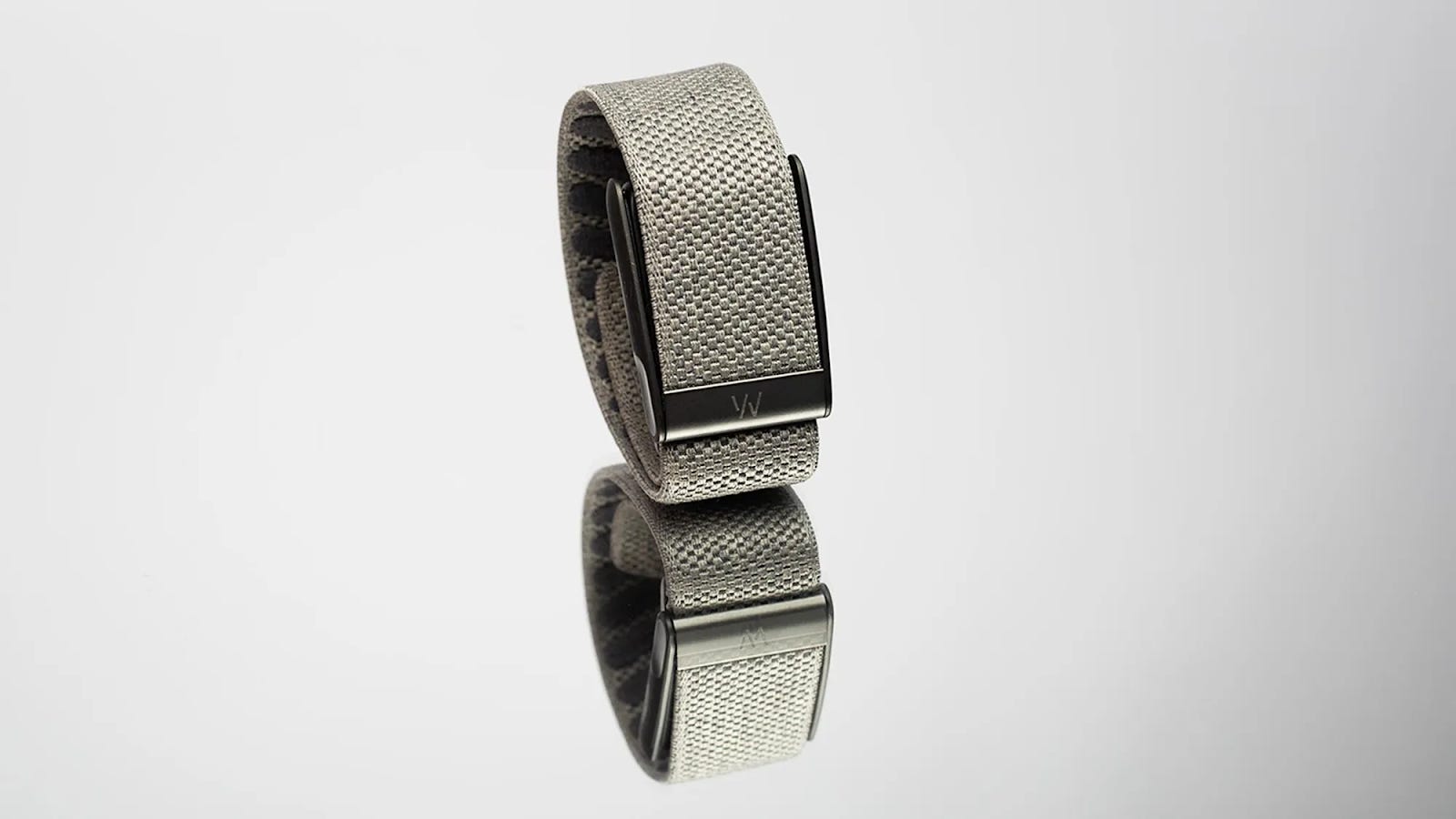
Whoop has launched two new fitness bands, the Whoop 5.0 and the Whoop MG (medical grade), aiming to broaden its appeal beyond athletes by introducing features like blood pressure tracking and ECG in the higher-end MG model. Both devices offer a slimmer design, improved battery life (up to two weeks, or a month with an add-on battery pack), enhanced sleep tracking, women's health insights, VO2 max measurement, and physiological age estimation, while the MG model adds heart health monitoring, including atrial fibrillation detection and irregular heart rhythm notifications. The trackers are screenless, focusing on comfort, discretion, and long battery life, and rely on a robust app that distills health data into easy-to-understand scores for sleep, recovery, and strain, while integrating with select third-party services. The hardware is free with a required $199 annual subscription (after a one-month trial), but advanced features like blood pressure and ECG require the $359 “Life” plan, and the device must be calibrated with a standard blood pressure cuff before use. While the bands are comfortable and water-resistant, users may find the clasp difficult to assemble and charging slower than competitors, and the subscription model means the hardware becomes unusable if the service is canceled.
Economic Policy — Wealth Tax

Bloomberg
President Donald Trump is urging lawmakers to raise taxes on the wealthiest Americans by creating a new 39.6% tax bracket for individuals earning at least $2.5 million and couples making $5 million or more, reversing part of his 2017 tax cuts which lowered the top rate to 37%. This proposal, discussed in a call with House Speaker Mike Johnson, is intended to help offset the cost of extending Trump’s previous tax cuts for lower- and middle-income households and to fund new initiatives such as eliminating taxes on tips, overtime pay, and Social Security benefits. Trump also wants to eliminate the carried interest loophole for private equity and venture capital managers, a move that would further increase taxes on the financial industry. The plan faces resistance within the Republican Party, which has traditionally opposed tax hikes, but some populist-leaning members support the move as a way to protect Medicaid and deliver on campaign promises to benefit working Americans.
Minds — Facts Don’t Change Our Beliefs
Facts often fail to change our minds because of a combination of psychological and social factors that reinforce existing beliefs, even in the face of contradictory evidence. Key phenomena include belief perseverance, where individuals cling to initial beliefs despite disconfirming facts, and confirmation bias, which leads people to favor information that supports their preconceptions while disregarding opposing evidence. The illusion of explanatory depth makes people overestimate their understanding of complex issues, and cognitive biases like the Dunning-Kruger Effect cause those with limited knowledge to be unaware of their ignorance. Additionally, people tend to avoid complexity and seek simple explanations, as rational thinking requires significant mental effort, and the brain’s emotional centers reward standing firm while making belief change feel uncomfortable. The human tendency to seek causality, even where none exists, and to misjudge risks based on emotion rather than logic, further entrenches false beliefs. Social media amplifies these tendencies by creating echo chambers and spreading misinformation, making it even harder for facts to penetrate established worldviews. Recognizing these cognitive biases, improving digital literacy, and fostering self-reflection are crucial steps toward more objective thinking and reducing the grip of misinformation in 2025.
Song Rec — Agora Hills (Doja Cat)
Quote of the Day
“Learn from yesterday, live for today, hope for tomorrow. The important thing is not to stop questioning.” - Albert Einstein