

World News — What Putin Wants From Trump In Alaska

Economists
As Donald Trump and Vladimir Putin prepare to meet in Alaska, Putin’s goals are clear: he seeks a deal that would cement Russia’s territorial gains in Ukraine by pressing for U.S. recognition of Russia’s control over occupied regions and concessions such as Kyiv abandoning its NATO ambitions, limiting its military, and granting Russian official-language status. Putin also wants deeper normalization of diplomatic and business relations with America, including lifting sanctions and renewed cooperation in the Arctic, especially in energy. These ambitions, however, clash with both Ukrainian and European demands that no territorial swaps be considered until a complete ceasefire—and with the condition that Ukraine itself be a party to any negotiations. While Trump claims a ceasefire is the summit’s main agenda and European allies push for Ukrainian involvement, concern remains that the talks could boost Russian leverage and pressure Ukraine to cede more land, given Putin’s history of proposing “swaps” designed to fragment Ukrainian unity and Trump’s evolving stance on the conflict.
Tech — Apple Expanding Into Home Security
Bloomberg
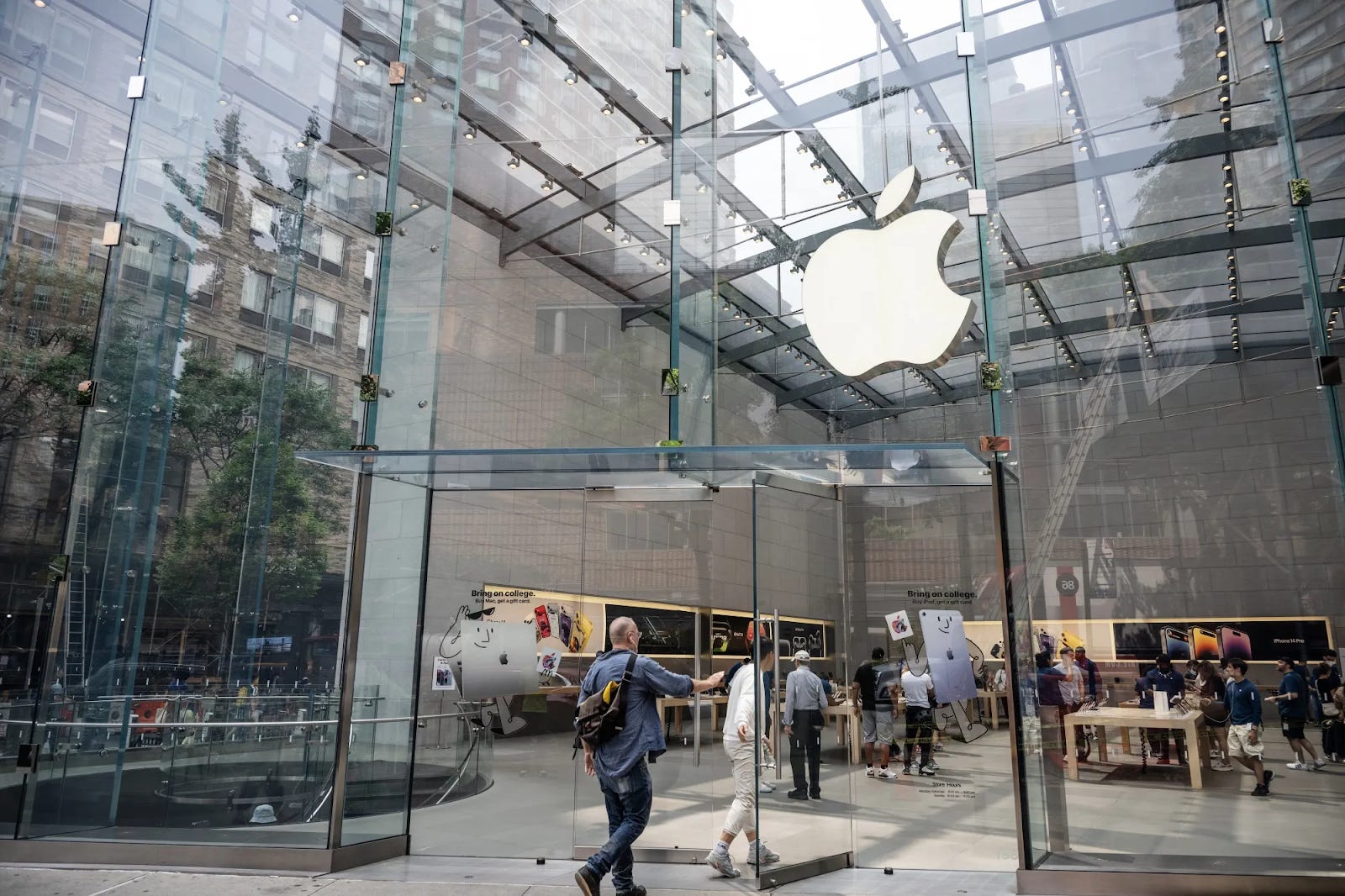
Apple is planning a major comeback in artificial intelligence with an ambitious suite of new devices aimed at revitalizing its innovation and expanding its ecosystem. Central to this strategy is a tabletop robot expected in 2027, featuring a 7-inch iPad-like display on a movable arm that can follow users around a room and serve as a virtual companion with a lifelike new version of Siri capable of engaging in natural conversation throughout the day. Alongside this robot, Apple will launch a smart speaker with a display next year, targeting entry-level smart home products. The company is also developing a new home security system anchored by advanced cameras with facial recognition and automation capabilities to control household functions, positioning Apple to compete with Amazon's Ring and Google Nest. These devices will run on a new multiuser operating system called Charismatic, focused on voice interaction and personalization through facial recognition. Simultaneously, Apple is overhauling Siri with new AI underpinnings based on large language models, integrating both internal and third-party technologies to significantly elevate Siri's intelligence and responsiveness. Beyond AI and robotics, Apple plans refreshed hardware such as thinner iPhones, smart glasses, foldables, and a revamped headset, aiming to sustain growth after recent product stagnation and position itself strongly against competitors in new tech categories. This cohesive AI and hardware push reflects CEO Tim Cook's vision of an "amazing" product pipeline that could reshape Apple's future in smart homes and interactive AI companions.
Business — Who Is Paying For the Expansion In AI Data Centers
FT
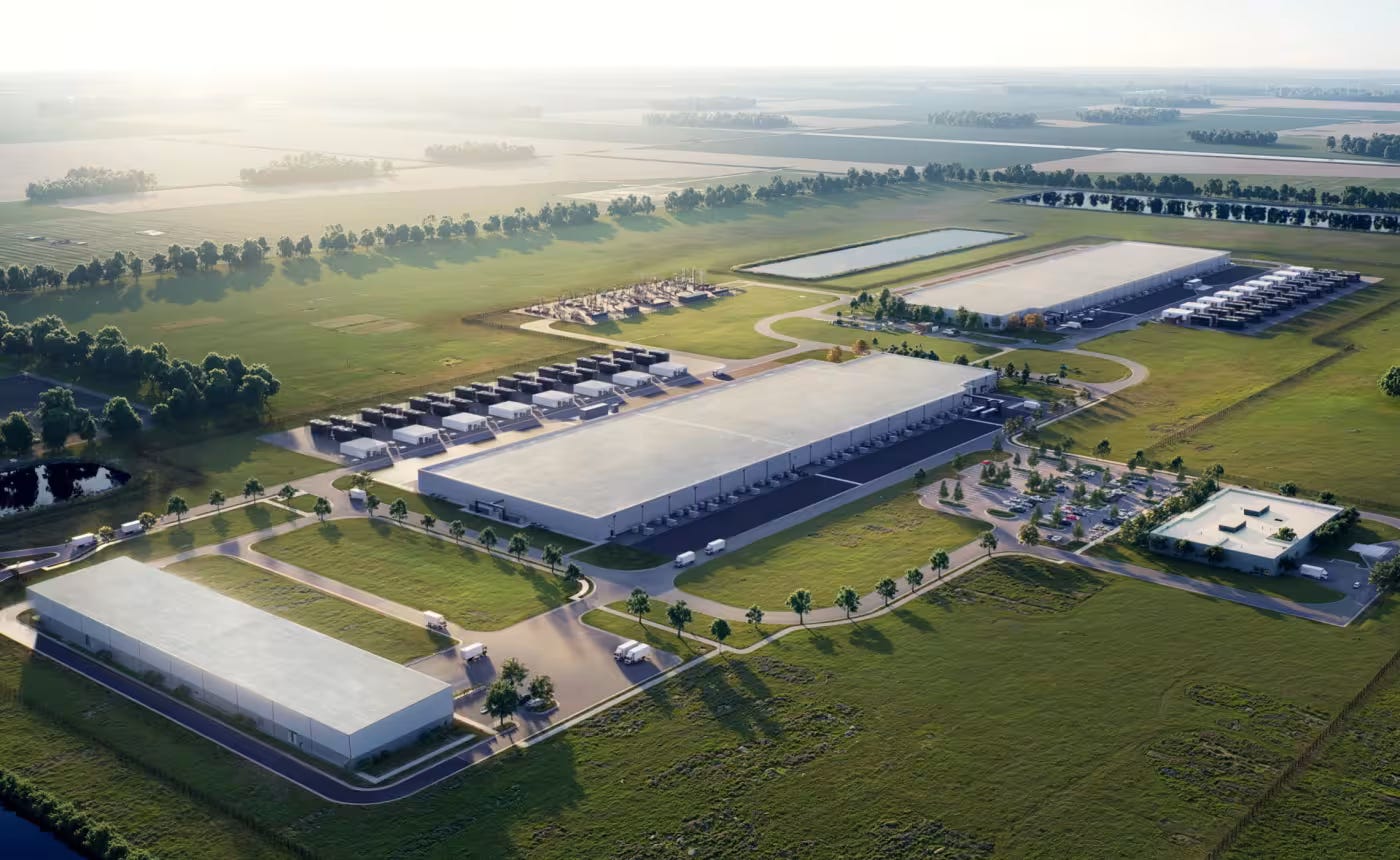
The $3 trillion AI infrastructure building boom is primarily funded by a combination of Big Tech companies and private capital investors. Major tech giants like Google, Amazon, Meta, and Microsoft alone are expected to spend over $400 billion on data centers in 2026, following huge investments exceeding $350 billion in 2025. However, this is only part of a larger global funding requirement projected to reach nearly $7 trillion by 2030 just to meet AI compute demand. While Big Tech is self-funding a large portion, roughly $1.5 trillion of the nearly $3 trillion anticipated for data center development up to 2029 must come from private equity, venture capital, sovereign wealth funds, loans, and other financing mechanisms. Debt financing is increasingly common, with various forms of structured loans and project finance playing a significant role. Large private equity firms like Blackstone, Apollo, Carlyle, and others are competing to back these projects, sharing the financial risk inherent in the rapidly evolving AI data center sector. This massive capital flow not only funds the construction of physical data centers but also the costly AI equipment and supply chains necessary to operate them at scale. However, concerns remain about overcapacity, technological obsolescence, and long-term profitability risks faced by financiers and developers outside the hyperscalers themselves, who have the scale to better absorb such risks.
Culture — Ivy League Universities Are on a Debt Binge

Economists
Ivy League universities, including Harvard, Princeton, and Yale, are increasingly turning to debt markets in 2025, collectively issuing over $1.7 billion in bonds— the highest annual total since 2020. These institutions benefit from a "prestige premium," allowing them to borrow at interest rates barely above those of top-tier corporations and far lower than less prestigious schools. Their large and robust endowments provide comfort to creditors, enabling these universities to leverage debt to invest more capital in alternative, often illiquid assets without needing to sell during downturns. This cheap and readily available debt supports their financial strategies amid recent underperformance in endowment returns and rising costs linked to settling disputes and regaining funding. Overall, low borrowing costs help Ivy League schools sustain their financial edge and long-term investment performance despite current challenges to the traditional endowment model.
The Daily Spark
To view Apollo’s midyear credit outlook:
https://www.apolloacademy.com/mid-year-credit-outlook-navigating-the-crosswinds/
Song Recommendation — WANTCHU
Quote of the Day
“Don't be too timid and squeamish about your actions. All life is an experiment. The more experiments you make the better.”
― Ralph Waldo Emerson